Automotive design is more than just following trends and materializing scientific research. It’s a deliberate strategy that allows car brands to express their identity through distinct visual cues. It’s the reason why you can often tell which company built a vehicle even before seeing its badge. By repeating key shapes, proportions, and details across their lineup, brands establish a recognizable image that strengthens their presence in the market.
Often referred to as automotive “design language,” it typically includes headlight signatures, grille shapes, body lines, proportions, and even interior arrangements. These features act like a brand’s handwriting, creating a uniform look and feel across segments.
Take BMW as an example. The brand from Germany is known for its signature kidney grille and Hofmeister kink on the C-pillars, which it has been developing for decades. Although their shape, size, and proportions have evolved over time, the core elements remain consistent, making any BMW, old and new, instantly recognizable.
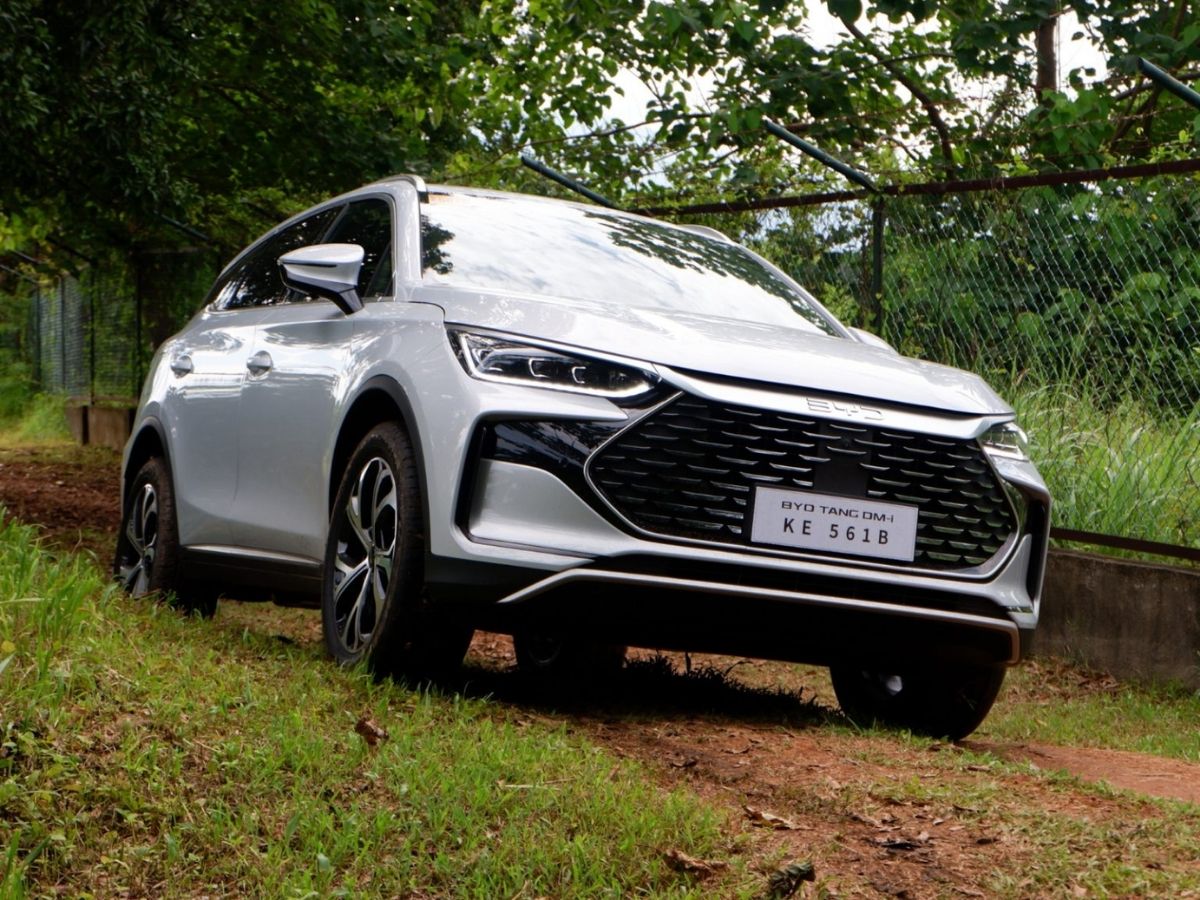
BYD, meanwhile, brings its “Dragon Face” design language to the table. It highlights Chinese culture and mythology, symbolizing power, elegance, and forward motion. The BYD Dragon Face design was developed by former Audi designer Wolfgang Egger, who is now the Chinese brand’s design chief. You’d know it’s a BYD the moment you set your eyes at one such as the BYD Sealion 5 DM-i or the BYD Tang DM-i.


Hyundai, on the other hand, calls its design direction “Sensuous Sportiness.” This philosophy focuses on creating emotional appeal through balanced proportions, dynamic surfaces, and clean but expressive styling. The Korean brand’s designers aim to make each model look athletic and elegant. Whether it’s the Elantra with its bold character lines or the Ioniq 5 with its futuristic minimalism, Hyundai’s Sensuous Sportiness has helped the brand redefine its image globally, moving away from conservative styling.
Another carmaker that has made a design statement is Mazda. The Japanese marque’s “Kodo: Soul of Motion” design language relies on flowing lines and sculpted surfaces that convey a sense of movement, aligning to its “Jinba-ittai” philosophy, which means the connection between the horse and the rider. In Mazda’s case, it’s the bond between the driver and the car. Models such as the Mazda3 and the MX-5 are some of the brand’s best examples of its Kodo design.


Fellow Japanese brand, Mitsubishi, leans on its “Dynamic Shield” design language, which emphasizes strength and protection through a bold front fascia and layered grille structure. This distinct styling gives models such as the Destinator, XForce, Xpander, and Montero Sport a commanding presence on the road. You’d know you’re looking at a Mitsubishi with just a glance.
Toyota doesn’t have an official name to call its design language, but industry experts often refer to it as the Toyota “hammerhead” design. It’s characterized by sharp and aggressive styling that’s seen in its models today, such as the Toyota Corolla, Toyota Ativ, Toyota GR Supra, and even the Toyota Land Cruiser Prado.
Meanwhile, Volvo takes a different approach with clean, restrained Scandinavian design. The brand from Sweden flaunts its signature “Thor’s Hammer” LED daytime running lights and vertical grille layout, giving its models like the XC60 and X90 a sense of elegance and simplicity. This reflects Volvo’s premium yet understated image.


These are some of the well-known examples of car design language. There are many more out there, each defining a brand for what it is and the model it offers. But beyond brand image, practicality is also one of the reasons behind a brand’s design language. Reusing design elements across multiple models helps streamline engineering and reduce production costs. Lighting fixtures, grille components, and can be shared or slightly modified, ensuring visual consistency while making development more efficient.
But perhaps the most important purpose of design language is emotional connection. A recognizable face on the road builds trust and familiarity. When customers decide to upgrade or switch models, the familiar styling helps them feel at home with the brand. It also reinforces brand loyalty, which is crucial in today’s competitive automotive world.