
BYD’s Dutch offices were searched by court-appointed enforcement agents (also called bailiffs) in August as part of a legal dispute with Jaguar Land Rover over allegations that the Chinese automaker’s Ti7 SUV infringes intellectual property rights associated with the Land Rover Defender.
The searches took place at BYD premises in Schiedam and Hoofddorp, the Netherlands, according to reports citing British newspaper The Times. Enforcement agents acting on JLR’s behalf reportedly seized digital records ahead of a preliminary hearing scheduled this week at a court in The Hague.
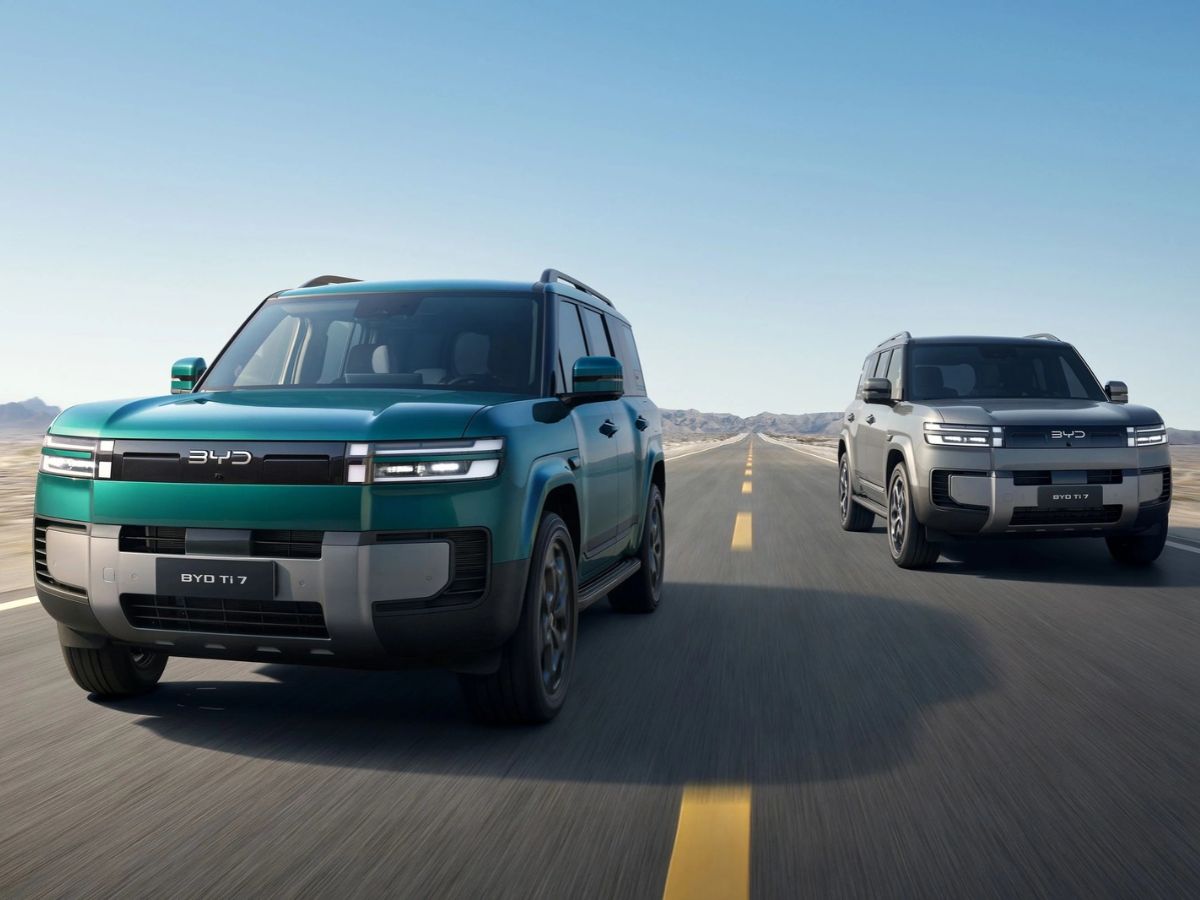
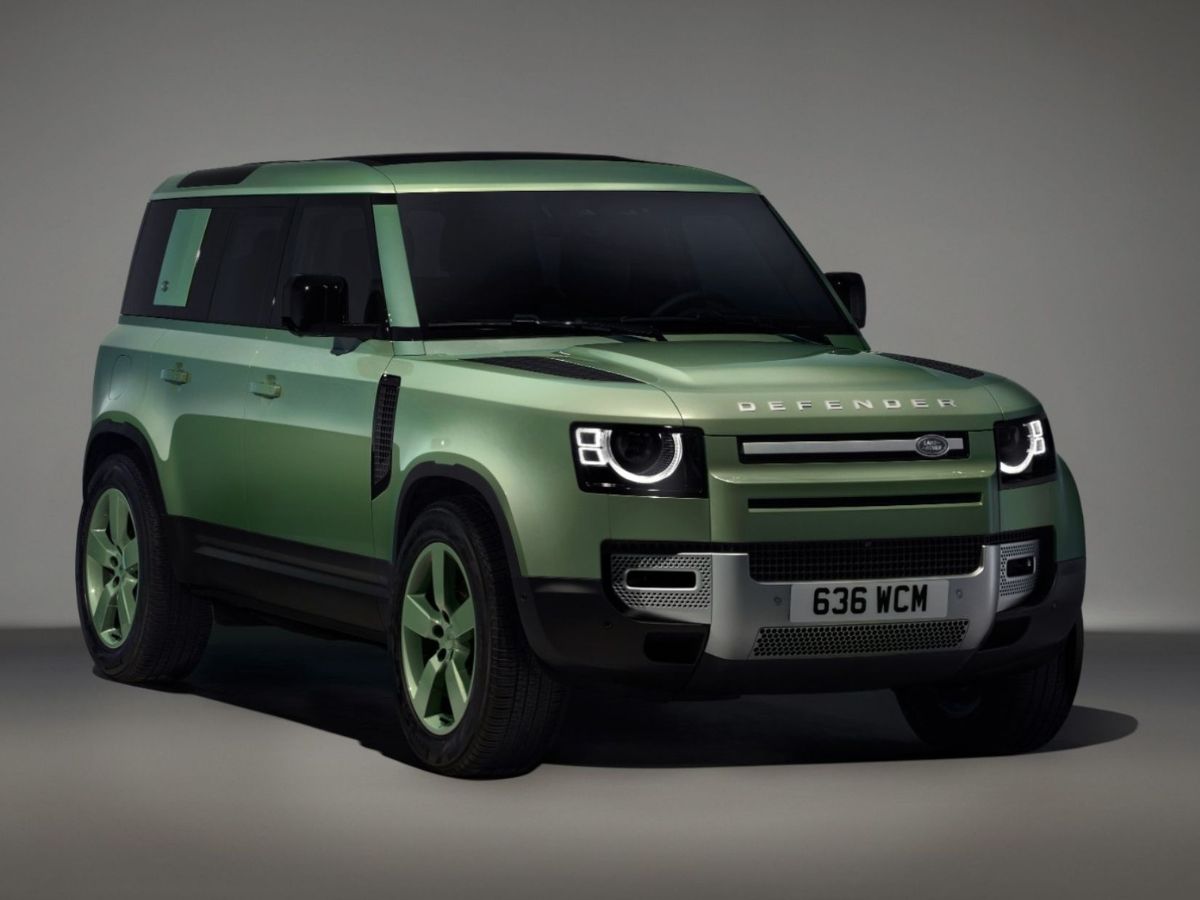
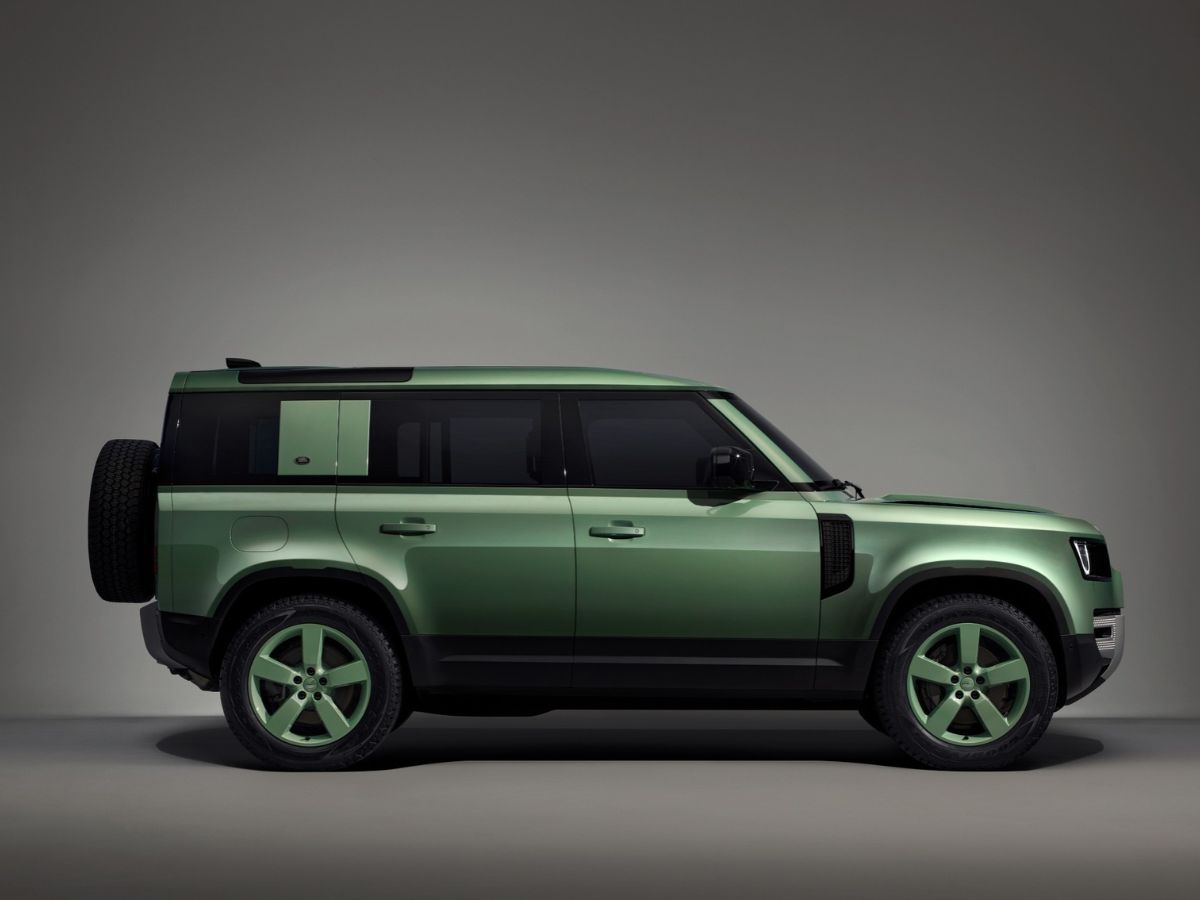
The case centers on the design and development of the Ti7, a boxy SUV sold in China under BYD’s Fang Cheng Bao brand. Its upright proportions and squared-off styling have drawn comparisons with the Defender, JLR’s popular off-road model.
JLR reportedly suspects that BYD dismantled a Defender and reverse-engineered elements of its technology for use in the Ti7. The evidence-gathering operation was intended to preserve records that could be relevant to the proceedings.
BYD’s legal representatives have challenged the seizure, describing it as excessive and questioning its scope, according to reports. Neither company has commented on the ongoing case. The allegations have not been established in court, and the proceedings do not amount to a finding that BYD infringed JLR’s rights.
The dispute comes as BYD prepares to expand the Ti7’s availability beyond China. The model has received approval from Australian authorities, although local specifications and a launch timetable have yet to be announced.
Documents cited in Australian reports indicate that two plug-in hybrid configurations are planned: a two-wheel-drive version with a combined output of 200 kilowatts and an all-wheel-drive variant producing 300 kW. The Ti7 is also scheduled to reach the United Kingdom, where its seven-seat version is expected to be priced below the Defender 110.
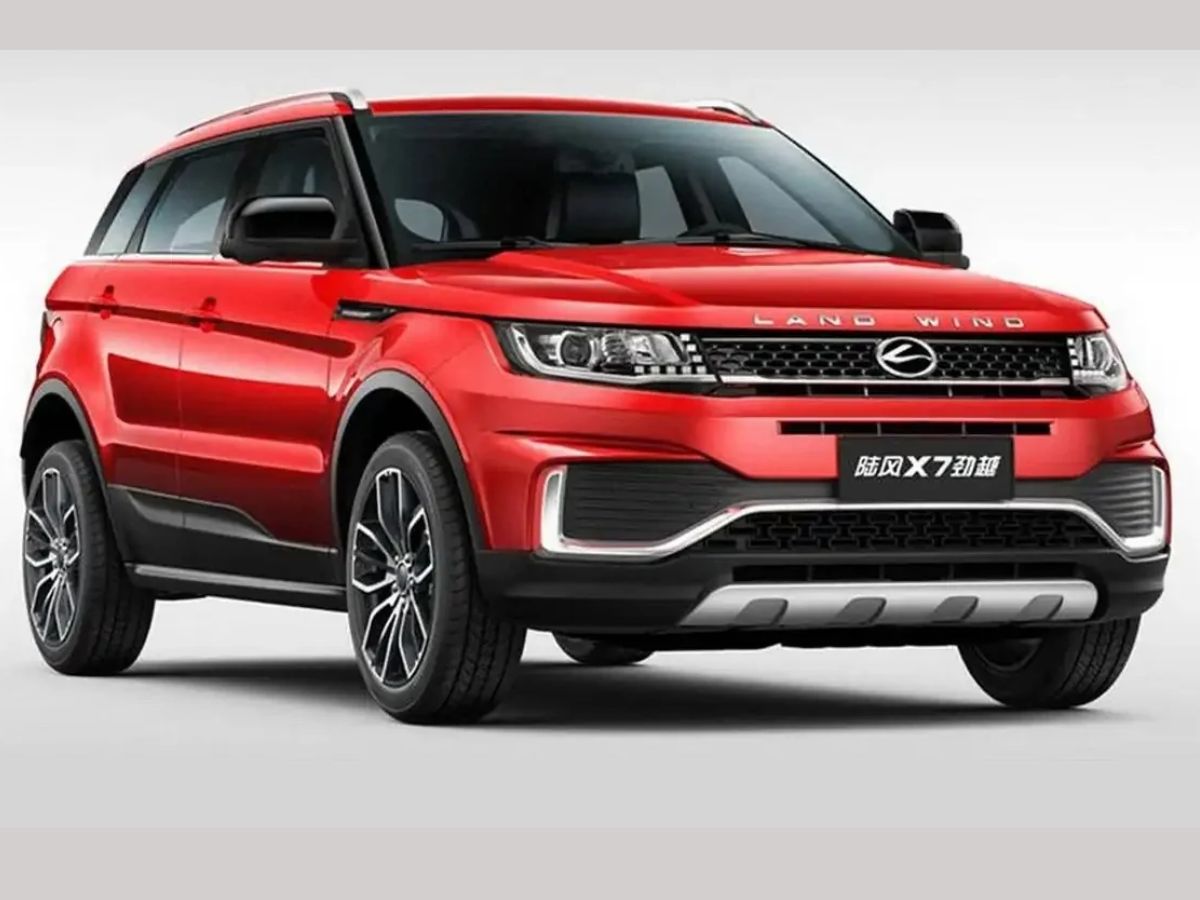
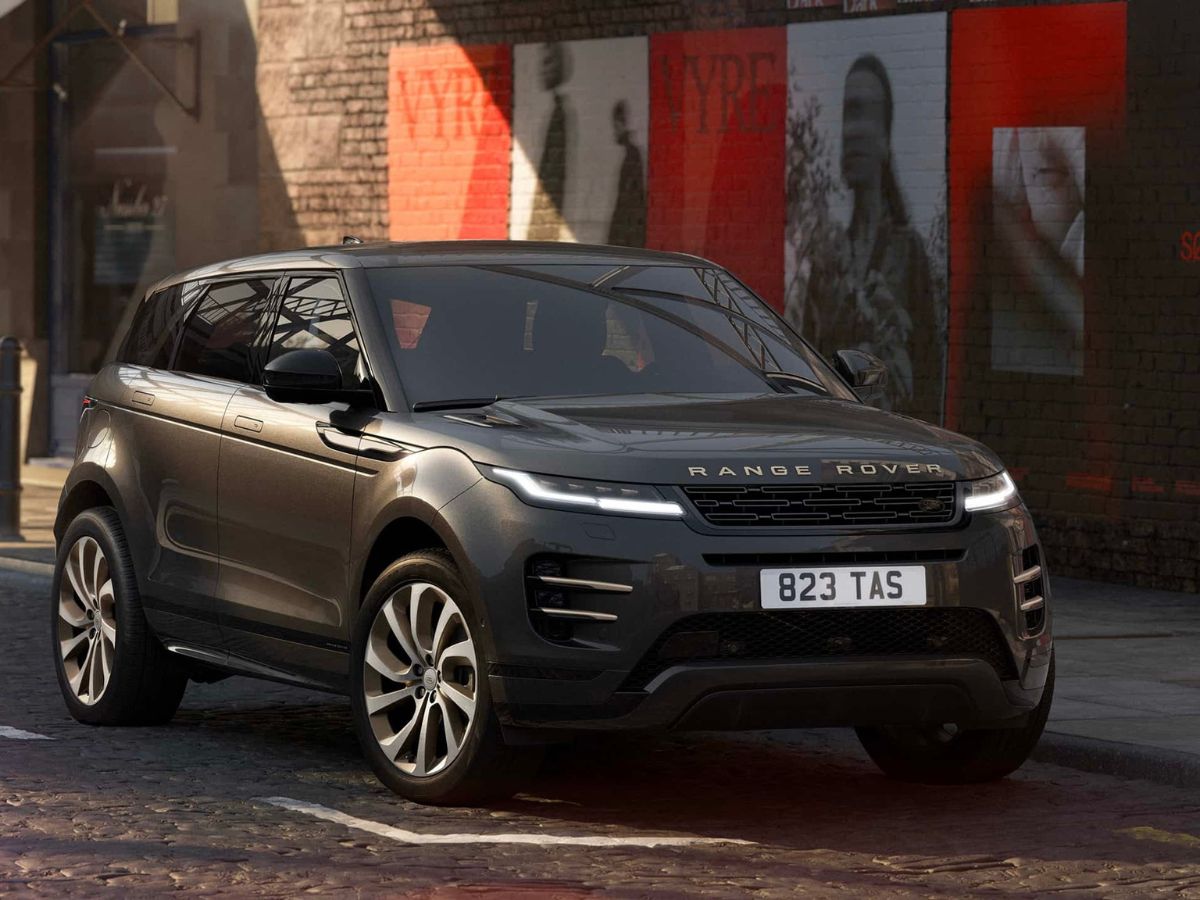
The case is not JLR’s first legal challenge involving a Chinese vehicle it says copies one of its designs. In 2016, the British automaker sued Jiangling Motor Corporation over the Landwind X7, which it alleged copied the Range Rover Evoque’s appearance.
A Beijing court ruled in JLR’s favor in 2019, ordering Jiangling to stop producing the vehicle and pay 1.5 million yuan in compensation.
The outcome of the BYD case could add to scrutiny of design rights as Chinese automakers expand internationally and introduce SUVs that compete with established premium brands.
Autocar’s Take
The dispute between BYD and Jaguar Land Rover highlights a growing challenge for the global auto industry: protecting distinctive vehicle designs as competition intensifies. Boxy SUVs naturally share certain proportions because of their intended utility, but resemblance alone does not establish infringement.
That distinction is important, particularly when the claims involve intellectual property and reverse engineering. The Dutch proceedings should therefore be allowed to establish what evidence supports JLR’s allegations and whether BYD crossed a legal line. For automakers expanding internationally, the case is a reminder that product design carries commercial value and legal responsibilities beyond the showroom and across borders.