


Advanced Driver Assistance Systems (ADAS) are reshaping the way modern vehicles enhance safety and driving comfort. These modern niceties use sensors, cameras, radar, and intelligent software to monitor the surroundings, support the driver, and, when necessary, take over vehicle operation to help avoid and mitigate accidents.
Several key features have become the foundation of most modern ADAS suites. But how does ADAS work, exactly? What does the alphabet soup of names mean? Here is a quick rundown of the basic fundamentals of ADAS, and how each component contributes to the vehicle’s overall safety and convenience.
Adaptive Cruise Control
Unlike traditional cruise control, which only maintains a set speed, Adaptive Cruise Control (ACC) automatically adjusts the vehicle’s speed based on traffic conditions. It uses radar and camera data to monitor the distance to the car ahead, slowing the vehicle down when traffic builds up, and accelerating again when the road is clear. Toyota Safety Sense and Honda Sensing are prime examples of this. Though named differently, their function is the same – to reduce driver fatigue on long highway drives.

Lane Departure Warning
The Lane Departure Warning (LDW), such as the system found in the Subaru EyeSight and the Mazda i-ActiveSense, serves as an early alert system. It monitors the vehicle’s position on the road and warns the driver if the car is veering out of its lane without using turn signals. Alerts can come through dashboard lights, audible chimes, and steering wheel vibrations. This simple but effective feature helps prevent unintended lane changes that may lead to accidents.
Lane Keeping Assist
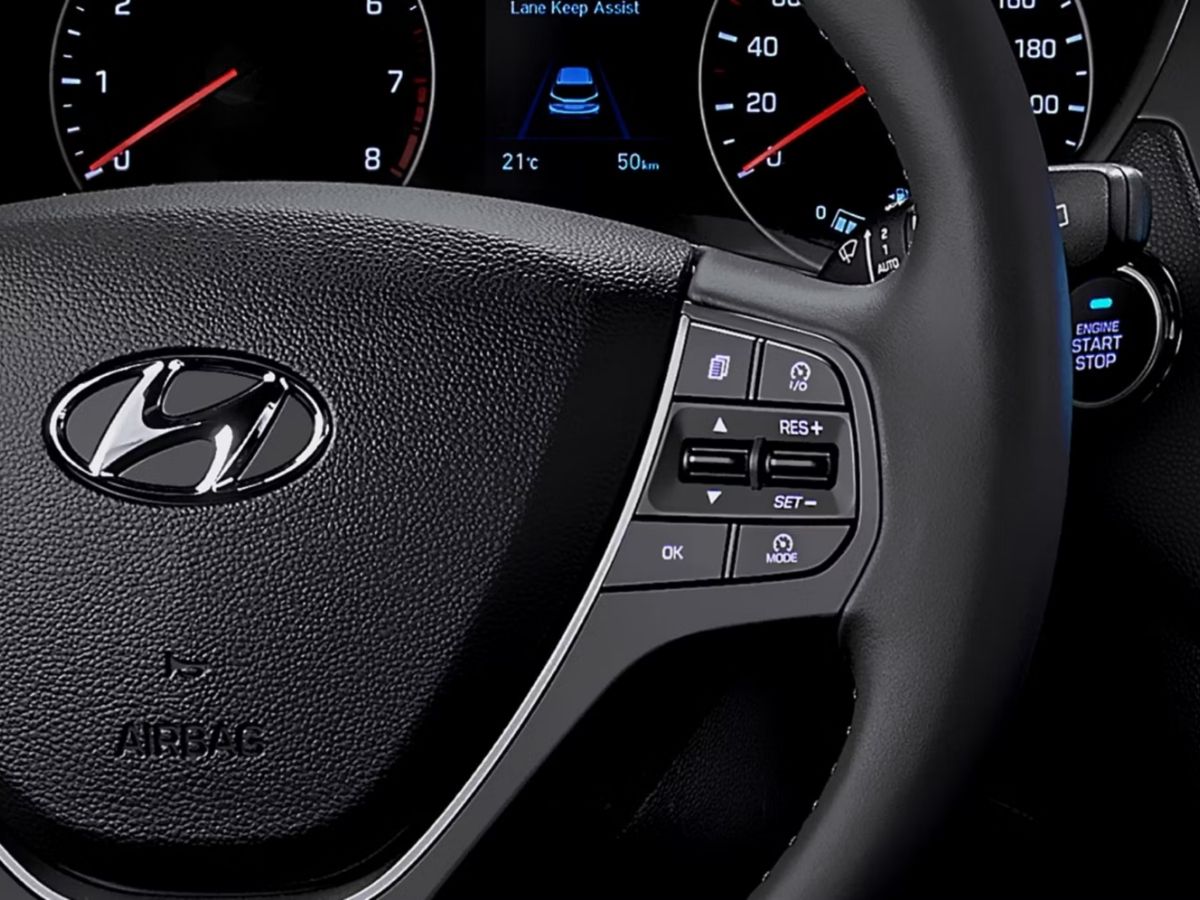
Unlike LDW, which doesn’t physically interfere with the vehicle’s steering, Lane Keeping Assist (LKA) helps the driver stay centered in the lane. When the system detects sudden or irregular lane changes, it applies gentle steering corrections to guide the vehicle back on course. This is particularly useful on highways and long drives. Car brands such as Hyundai and Ford offer Lane Keeping Assist as standard with SmartSense and Co-Pilot360, respectively.
Blind Spot Monitoring
The Blind Spot Monitoring (BSM) system, such as the Nissan Intelligent Blind Spot Warning found on its Nissan Intelligent Mobility, improves driver awareness during lane changes. Radar sensors on the rear sides of the vehicle detect cars in adjacent lanes that the driver may not be able to see in the side mirrors. If another vehicle is in the blind spot, an area of the car that usually blocks the driver’s field of vision, the system provides a visual or audible alert.

Parking Assist
Parking Assist helps in making tight maneuvers, especially when parking in reverse. Ultrasonic sensors on the bumpers detect nearby obstacles and provide distance warnings such as beeps, chimes, or instrument light indicators. Some advanced systems, like the Ford Active Park Assist, can automatically steer the vehicle into the right parking space, requiring minimal driver input. The BMW Parking Assistant system also has similar advanced automatic intervention features
360-Degree-View Camera
By combining video feeds from multiple cameras around the vehicle, this system creates a bird’s-eye view displayed on the infotainment screen. This helps the driver see obstacles that may not be visible from the cabin, making parking and low-speed driving safer. Brands like Nissan and Toyota have adopted this feature into their ADAS suites – the Nissan Around View Monitor and Toyota Panoramic View Monitor, respectively.
Automatic Emergency Braking
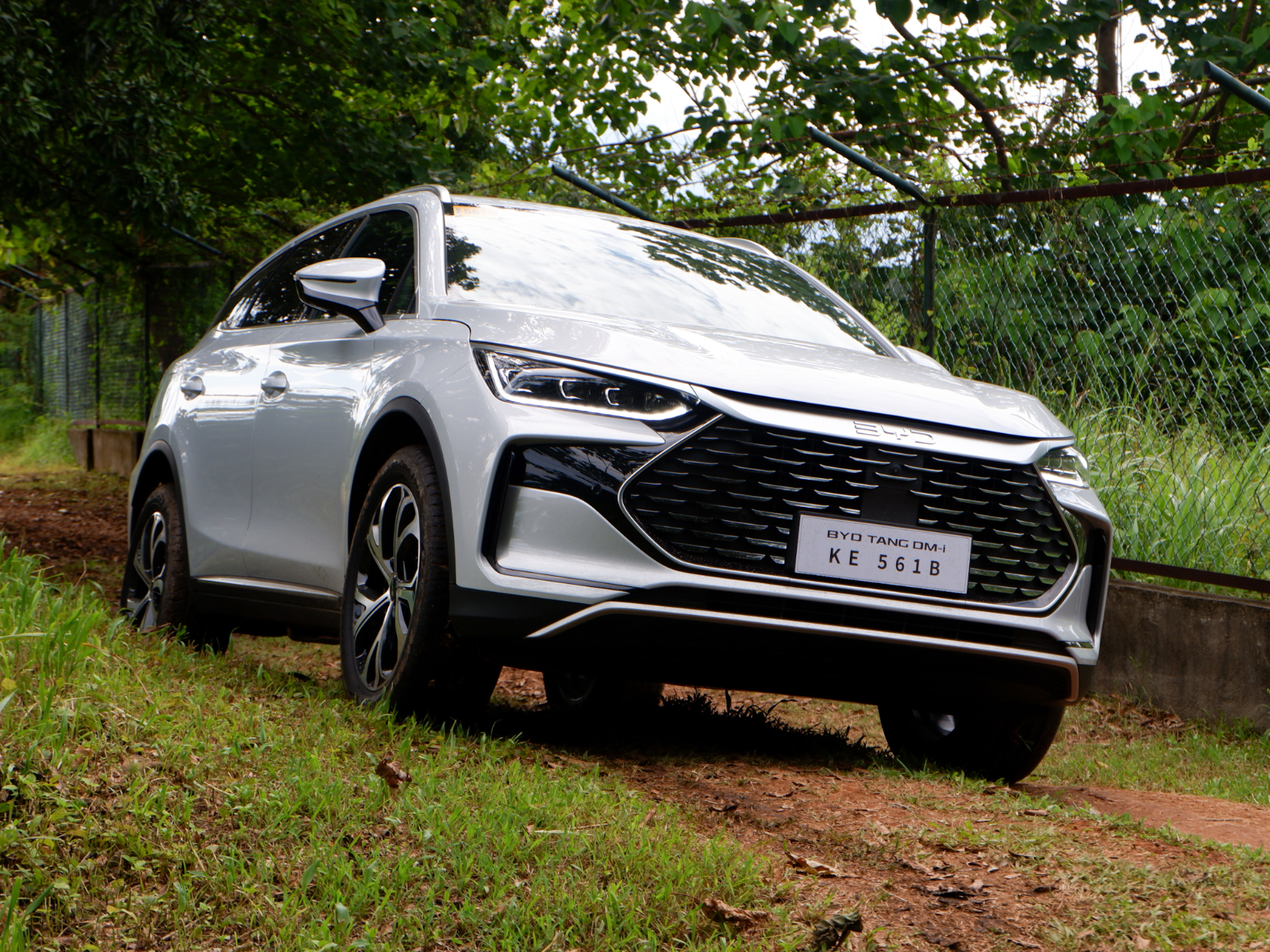
The Automatic Emergency Braking (AEB) continuously monitors the road ahead and detects potential collisions with other vehicles, pedestrians, or obstacles. If the driver doesn’t react in time, the system automatically applies the brakes to reduce or avoid the impact. ACMobility’s BYD and Kia brands have this feature on the BYD DiPilot and Kia Drive Wise, respectively.
Traffic Sign Recognition
This system is enhanced by using cameras to detect and display road signs, such as speed limits or stop signs, on the instrument cluster or heads-up display. This is useful in unfamiliar areas. Tesla’s Autopilot ADAS suite includes a feature that works with Traffic Aware Cruise Control and Autosteer to slow the car when a traffic stop sign is detected.
Driver Drowsiness Detection
This uses onboard cameras and sensors to analyze steering input, lane position, and facial expressions to identify signs of driver fatigue. When it senses drowsiness, it issues an alert, often recommending a rest break. Examples include the Mercedes-Benz Attention Assist and the Volvo Driver Attention Monitoring.