

From a simple convenience feature to a core component of modern advanced driver assistance systems (ADAS), the Adaptive Cruise Control (ACC) has come a long way. Unlike traditional cruise control, which simply maintains a set speed, ACC automatically adjusts the vehicle’s speed to maintain a safe distance from the car ahead. ACC uses sensors, cameras, and other technologies to handle acceleration and braking, reducing driver workload and improving safety during daily commutes or long drives.
When active, the driver sets a target speed and preferred following distance. The system continuously monitors traffic conditions and adjusts the vehicle’s speed as needed. If the vehicle ahead slows down, the system automatically eases the throttle or applies gentle braking inputs to maintain a safe distance, then accelerates back to the set speed when the road is clear, hence the term “adaptive.”
Over time, different types of ACCs have emerged, each using various sensing and processing methods. With that said, here are some of the most common types of ACC available in modern vehicles today.
Radar-based ACC
This system uses front-mounted radar sensors to measure distance and speed differences between vehicles. They perform well in various driving conditions and are available in many mainstream models today. The Toyota Corolla Cross has this system through its Toyota Safety Sense ADAS technology. It uses radars to keep a steady gap between the car ahead, ensuring smooth braking and acceleration, especially on highways.

Camera-based or visual ACC
This system uses data gathered from the vehicle’s onboard front-facing cameras. This provides detailed object recognition, though it may be affected by poor visibility. One brand that uses this system is Subaru, with its Subaru EyeSight in models such as the latest Forester Hybrid, which recently arrived here in the Philippines.

Hybrid ACC
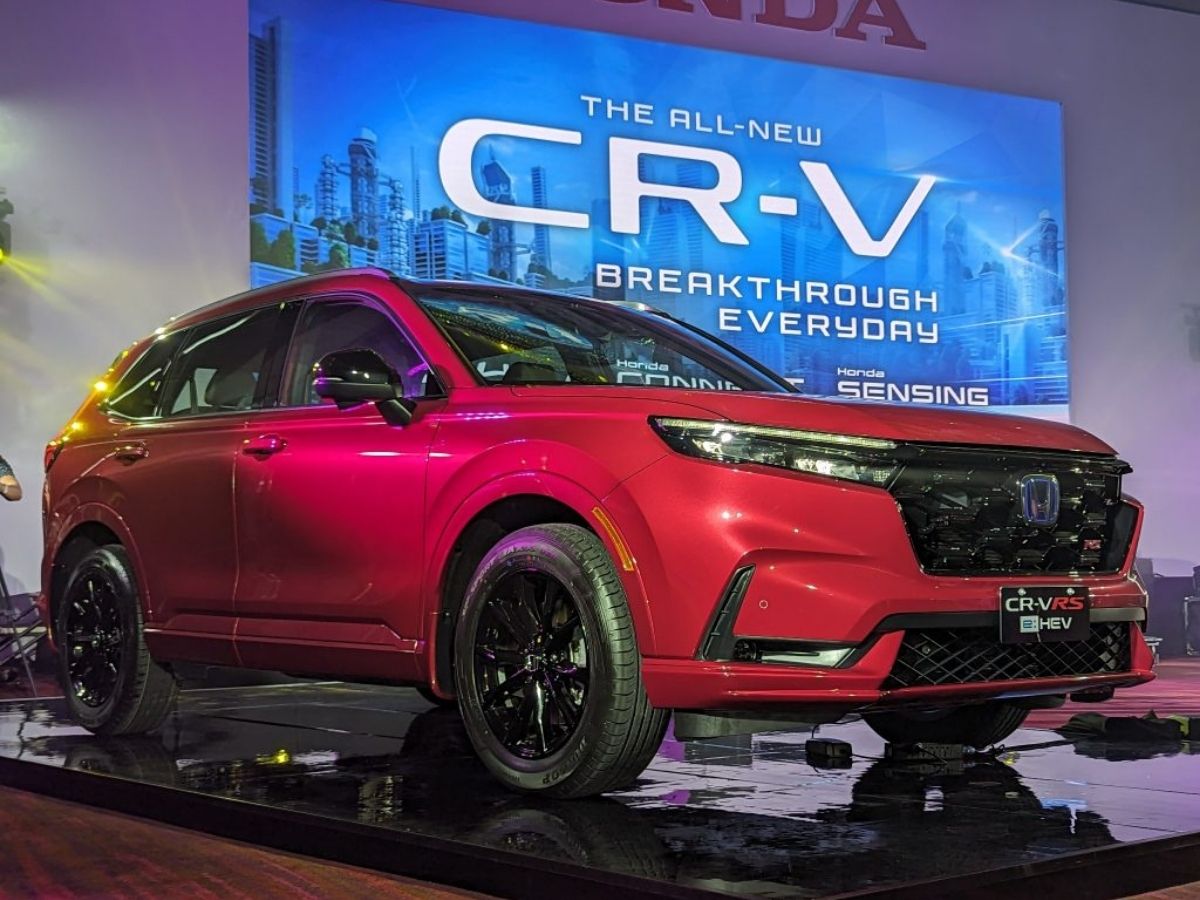
This combines the function of both radar-based and camera-based ACC systems. As such, it delivers improved precision and responsiveness. Due to its benefits, this ACC type is now widely used as standard in many ADAS today, such as the Honda Sensing. The Honda CR-V, which has evolved for three decades, now has a system that uses both radar and camera data for smoother, more confident control in mixed traffic.
Lidar-Based ACC
This technology uses laser pulses to map surroundings in 3D, offering exceptional precision. Though still rare in many mainstream models, this ACC is now appearing in higher-end vehicles. The US-made Lucid Air luxury EV sedan uses lidar technology as part of its DreamDrive ADAS suite.

GPS and Map-Linked ACC
This system uses GPS and mapping data to anticipate road curves, intersections, and speed limits. As it detects changes on the road or in traffic flow, it automatically adjusts the vehicle speed before entering these zones. A relatively new technology across many popular models, this system is available in more premium models such as the BMW 7 Series. The 7 Series uses predictive cruise control, which can slow or accelerate the car based on road gradients and traffic information sourced from navigation data.

V2X-Enabled ACC
V2X (vehicle-to-everything) type ACC allows cars equipped with it to communicate with other vehicles or infrastructure that support the system, helping anticipate traffic changes before they happen, such as sudden braking or traffic buildup. This system is continuously being developed, and one of the early adopters of this is the Audi A8 in certain markets.
AI and Machine Learning-Enhanced ACC
This ACC uses AI (artificial intelligence) to learn driving habits and traffic behavior, resulting in more natural acceleration and deceleration responses. Tesla, an American car brand, is among the early adopters of this system, which is implemented as the Traffic-Aware Cruise Control function in its AutoPilot ADAS suite.

ACC with Stop-and-Go Traffic Assist
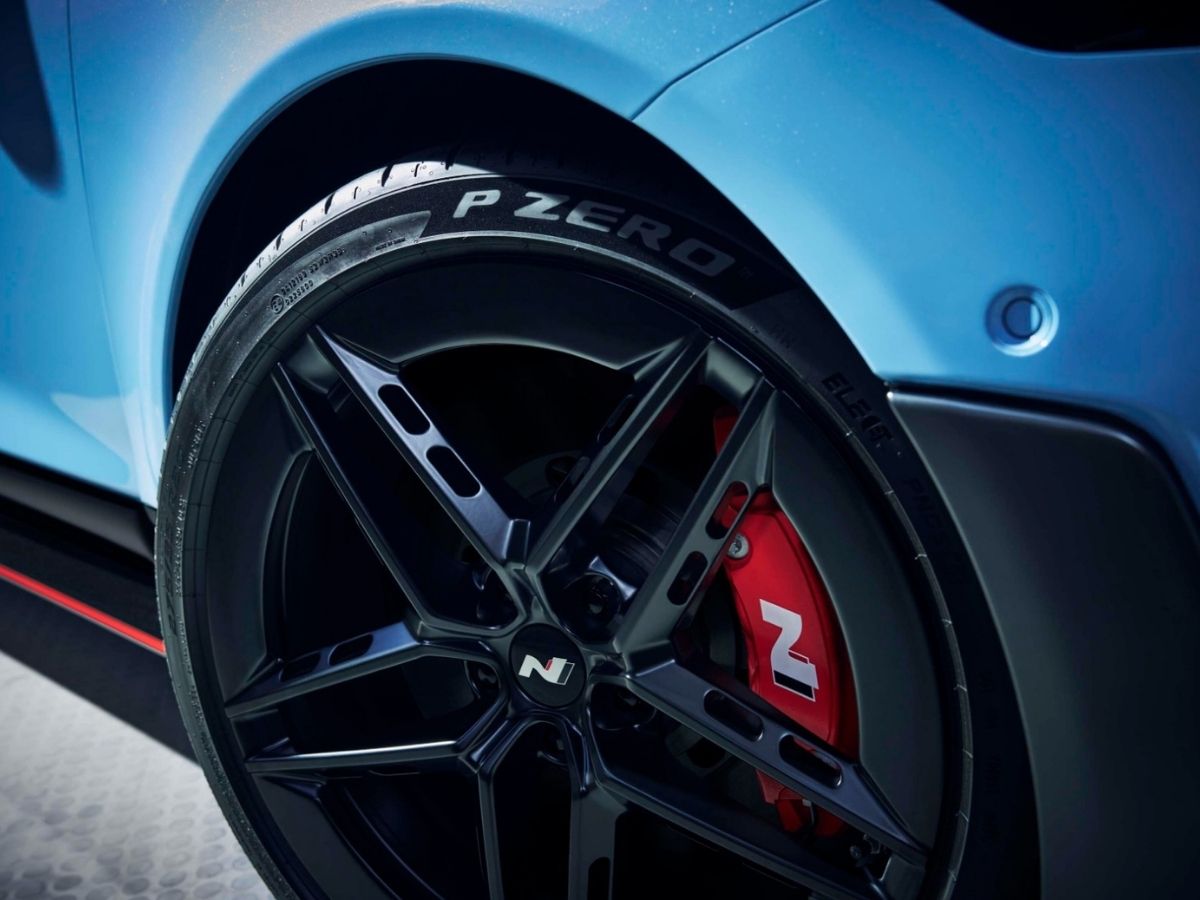
This technology extends ACC functionality to low-speed traffic, allowing the vehicle to automatically stop and resume movement without driver input. The latest Hyundai Tucson is one such model that offers this as standard with its Hyundai SmartSense ADAS tech.
As automakers continue to refine these systems, ACC is becoming more intelligent and more capable. It not only improves driving comfort and reduces fatigue, but also lays the foundation for higher levels of automation in the near future.