Kia appears to be preparing a busy product cycle, with new generations of familiar nameplates and electrified additions that could broaden its ambitions beyond simple hybrids and battery-electric vehicles.
The details emerged from a reported leak of an internal document from Kia’s Employment Stability Committee, outlining production plans for the automaker’s South Korean factories through 2029. The Korean Car Blog, a South Korean media outlet, published the document’s reported contents, while other South Korean media outfits had separately reported key elements of the production agreement.
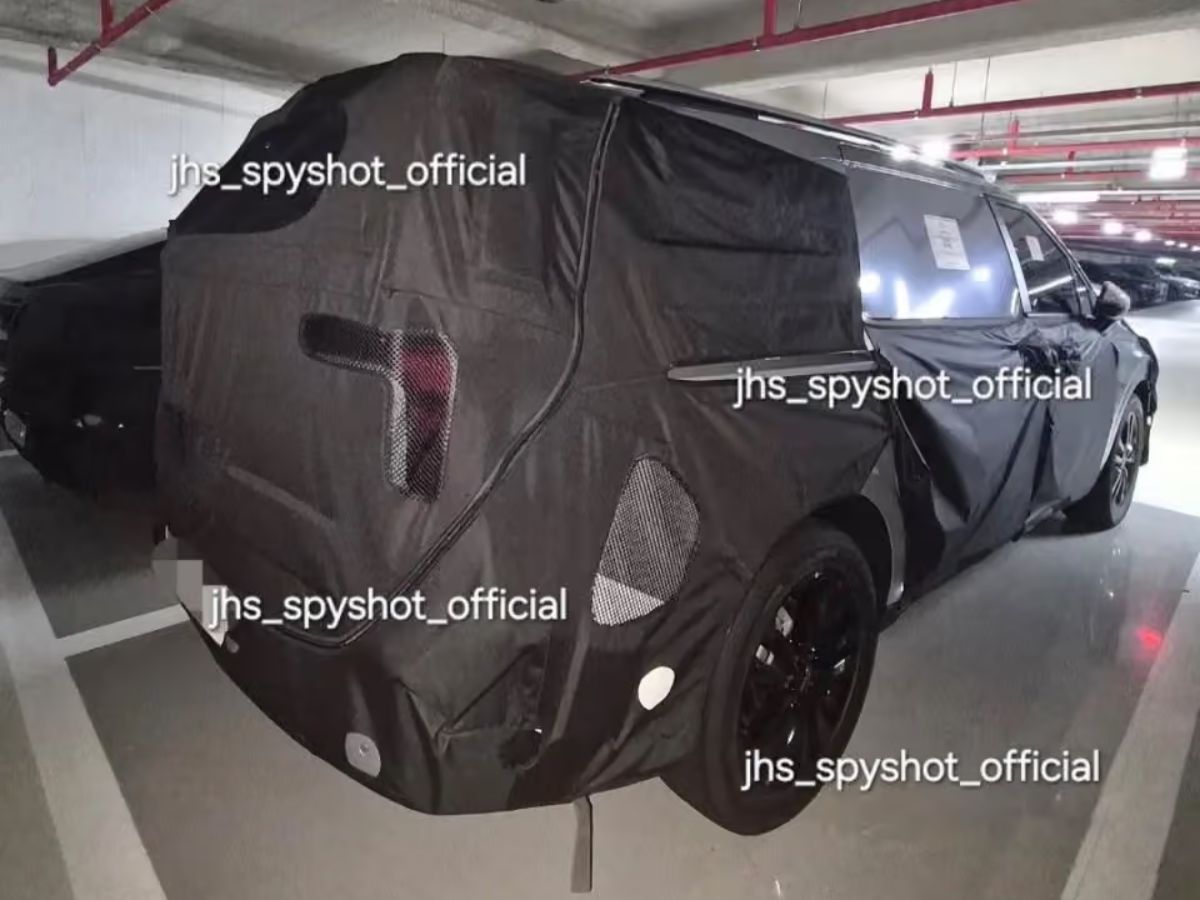
At the centre of the plan is the Carnival. Kia is reportedly preparing a redesigned successor, internally identified as the KA5, with production of the new-generation hybrid scheduled for 2028 at its Gwangmyeong facility. The more surprising development is a hydrogen fuel-cell version, targeted for production in 2029.
If the schedule holds, the hydrogen Carnival would mark Kia’s first production fuel-cell vehicle. It is expected to draw on hydrogen technology developed within Hyundai Motor Group, although Kia has not announced technical specifications, performance figures or a retail launch plan. The prospect is intriguing: rather than treating hydrogen as an experiment confined to niche vehicles, the group could be exploring its use in a large family carrier.
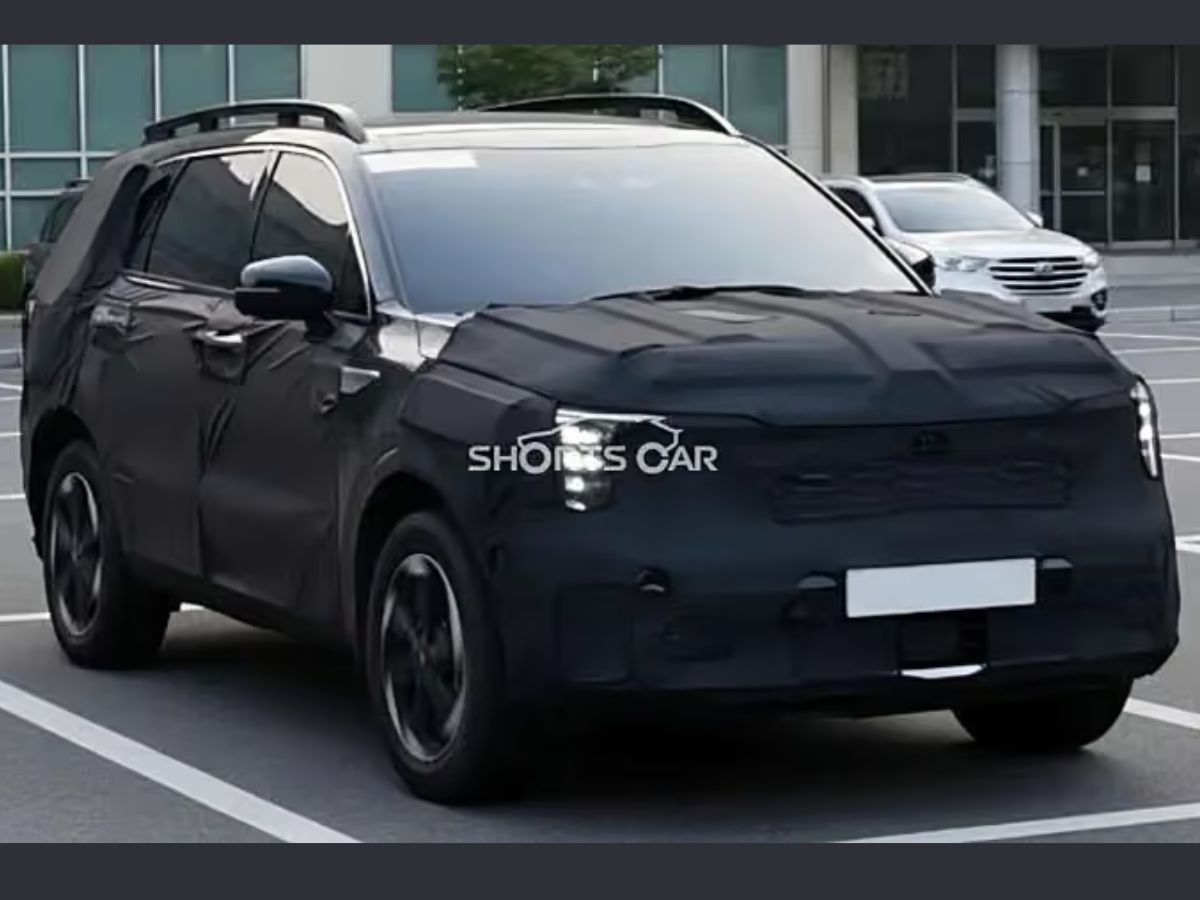
The Sorento is also due for a major change. The leaked plan points to a new generation in 2028, including a hybrid variant, rather than another update to the current model. That would give Kia competition in the crowded midsize SUV segment.
Another name to watch is the EV7, described in reports as a new midsize electric SUV. Production is expected to begin in 2029 at Kia’s Gwangju plant. If it reaches showrooms under that name, it could help fill the space between the brand’s smaller electric SUVs and the larger EV9. Its final positioning, specifications and market availability remain unconfirmed.
The reported schedule also includes a Sportage successor for 2027, an improved Bongo commercial truck in 2028, and product improvements and additional derivatives for the Tasman pickup. Kia is also expected to repurpose its Hanam facility for specialized military vehicle production.
For now, these are production plans reported from a labor-management agreement, not a complete set of official model announcements. Still, the direction is clear: Kia is preparing to renew key SUVs and its people mover while expanding its electrified portfolio. The next few years could bring a different Kia lineup — and the hydrogen Carnival may be its most unexpected chapter.

Autocar’s Take
Kia’s reported product plans suggest an automaker that isn’t content with simply keeping its existing lineup competitive. A next-generation Carnival and Sorento are significant developments on their own, but the possibility of a hydrogen-powered Carnival makes the announcement particularly interesting. It also shows that Kia and Hyundai Motor Group are still exploring alternatives to conventional battery-electric technology.
The EV7, meanwhile, could strengthen Kia’s position in the increasingly competitive electric SUV market. Whether these vehicles eventually reach Philippine shores remains uncertain, but one thing is worth watching: Kia’s next product cycle could bring some genuinely interesting changes to its global lineup.