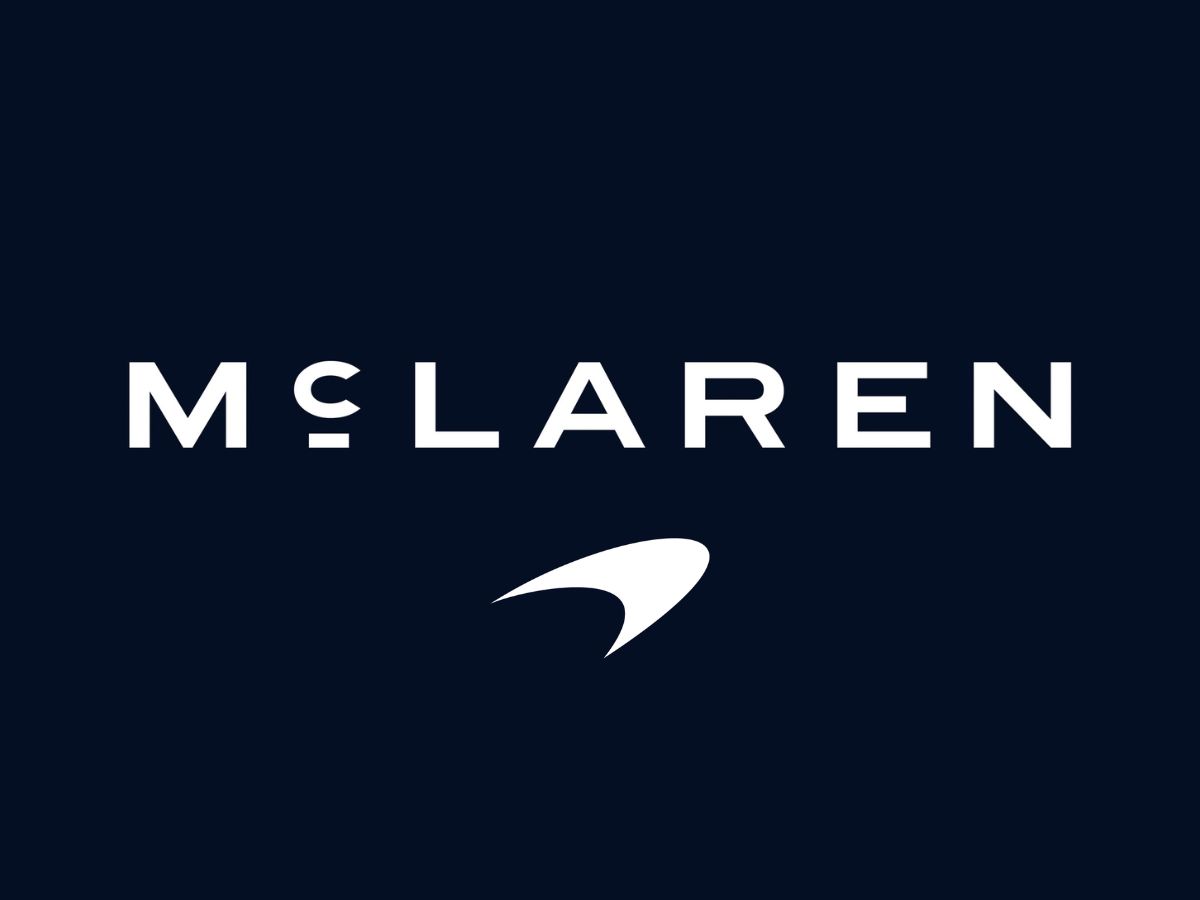
McLaren is turning the page on its visual identity, unveiling an evolved brand expression that brings its Automotive and Racing operations closer together while drawing on more than six decades of history.
Revealed on September 22, 2026, the updated identity is intended to reflect where the brand is heading while retaining the symbols and design cues that have long been associated with it.
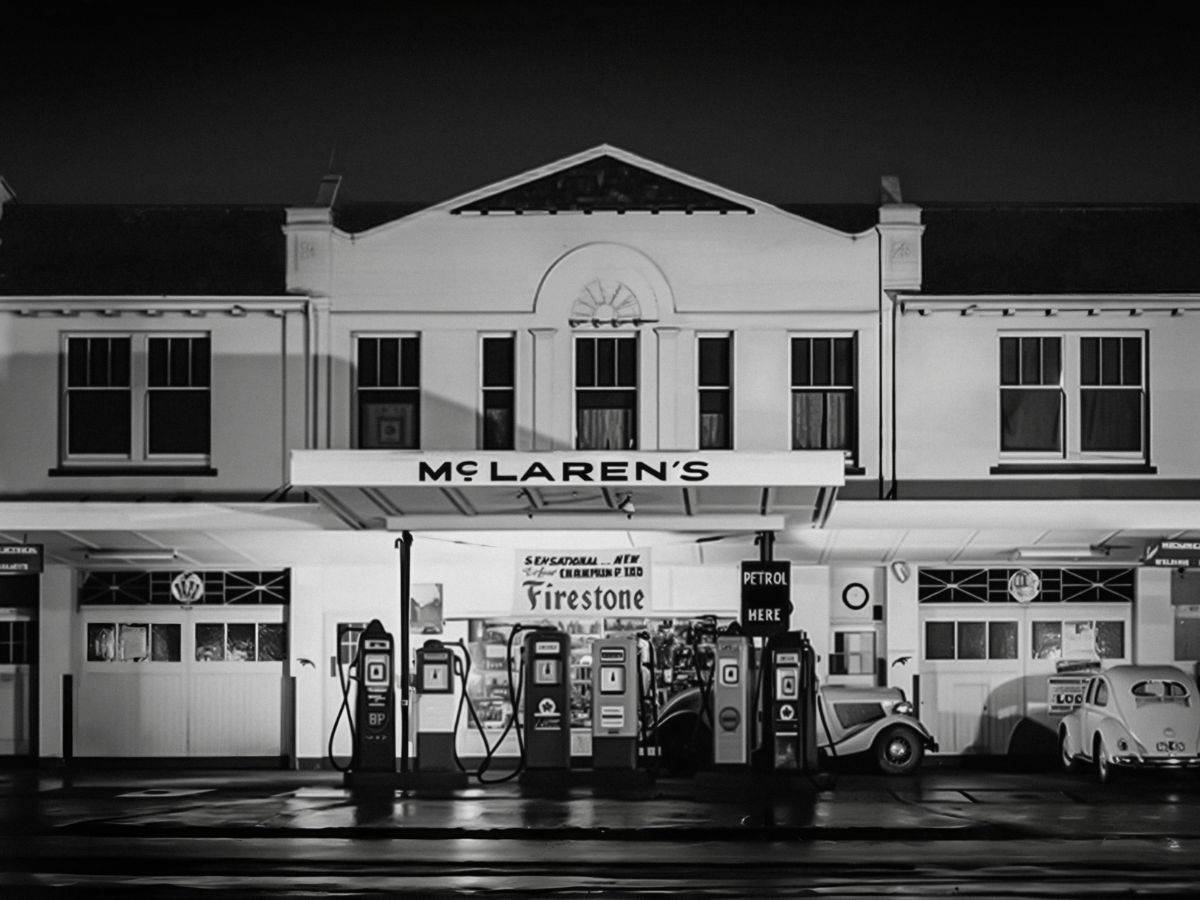
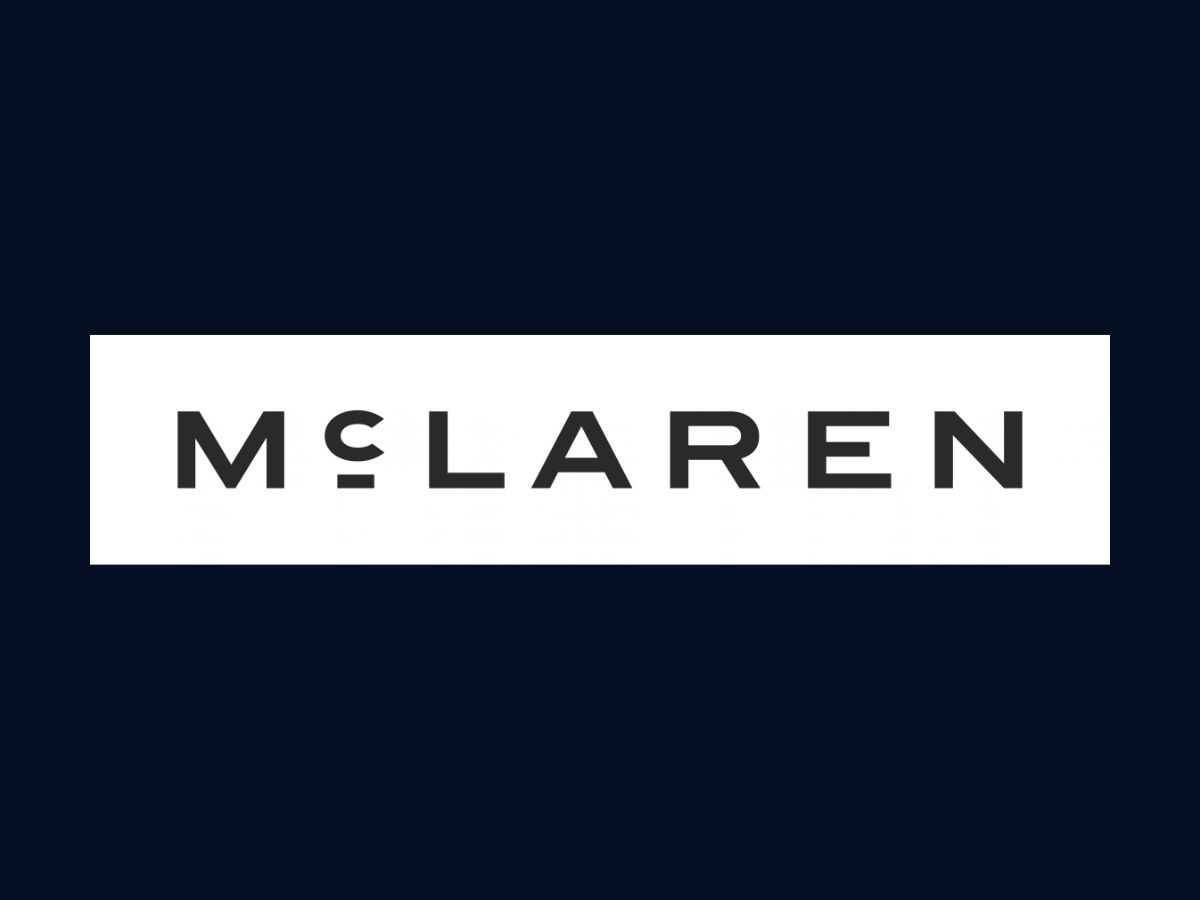
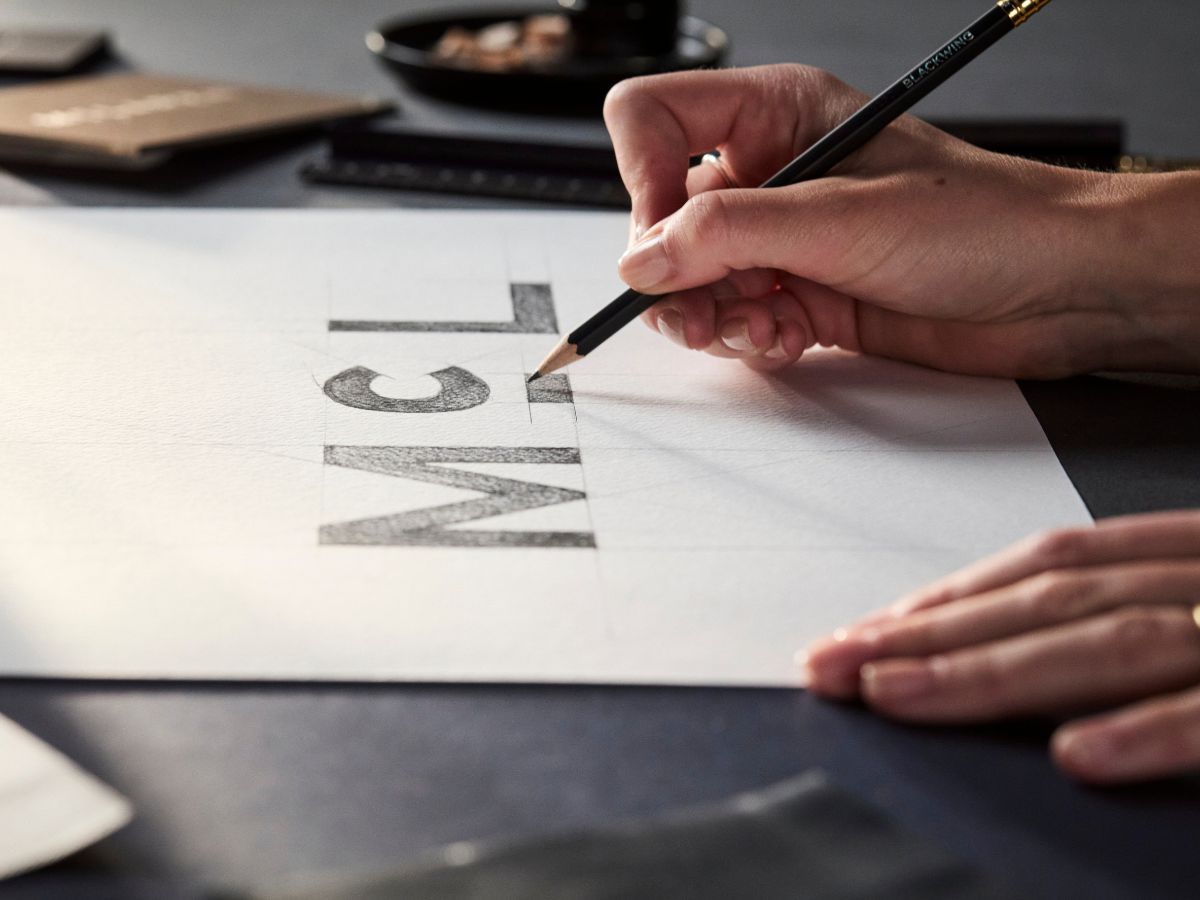
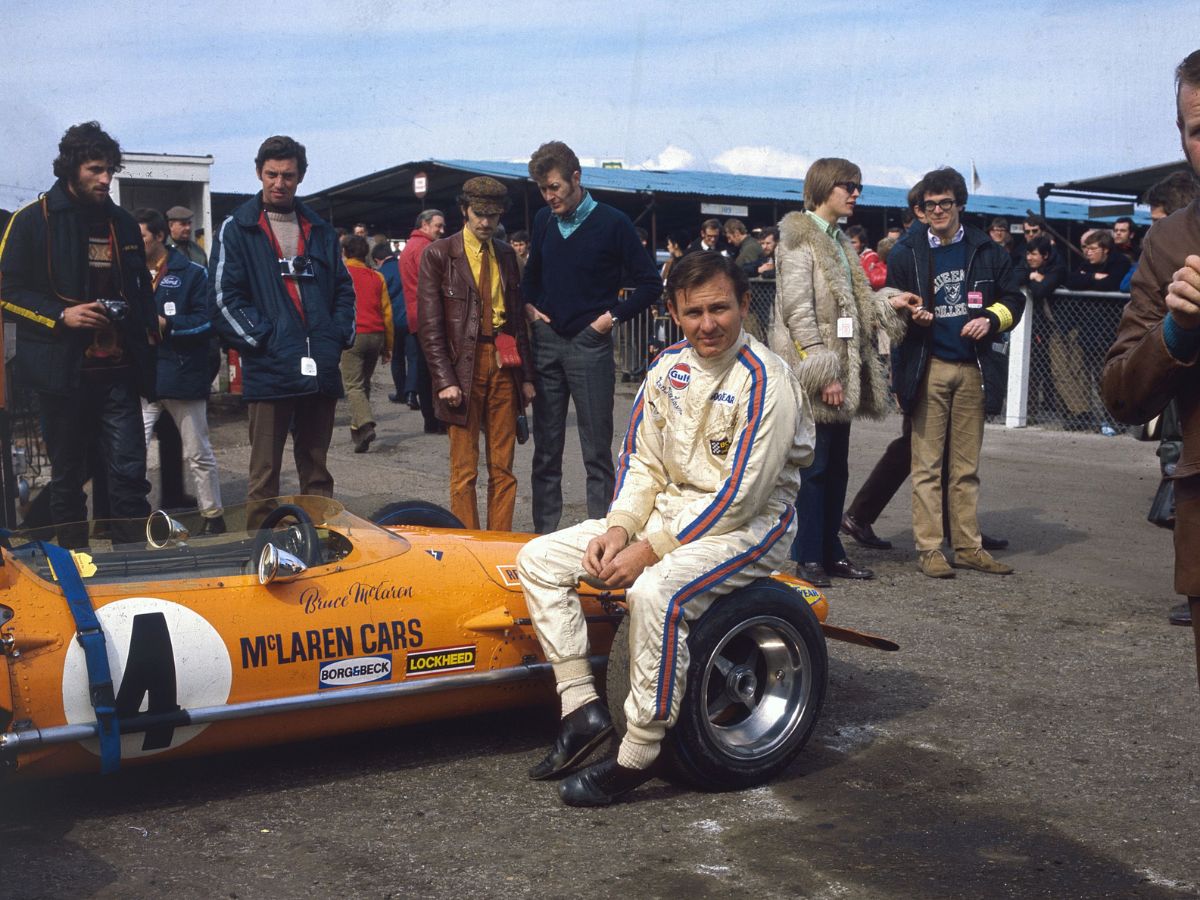
At the center of the update is a new McLaren wordmark inspired by the sign above the McLaren family Service Station in Remuera, Auckland. Owned by Bruce McLaren’s parents, Les and Ruth, the service station was where Bruce built the car that secured his first racing victory.
The company said the redesigned wordmark reconnects the brand with its origins while providing a more contemporary visual language for its future.
The Speedmark, meanwhile, remains a central part of the identity. The company has also retained its distinctive papaya color and Speedy Kiwi, the latter continuing to reference Bruce’s New Zealand roots. An expanded color palette has been introduced, drawing inspiration from significant moments throughout the brand’s history.
The changes are part of an effort to create a more unified expression across McLaren Automotive and McLaren Racing. The company says the refreshed identity is also intended to support a wider ownership and fan experience, including greater personalization, new experiences, and a stronger sense of community.
The work behind the new identity involved both automotive and racing teams examining their shared archives for symbols, stories, and design details that have shaped the marque since Bruce’s early years.
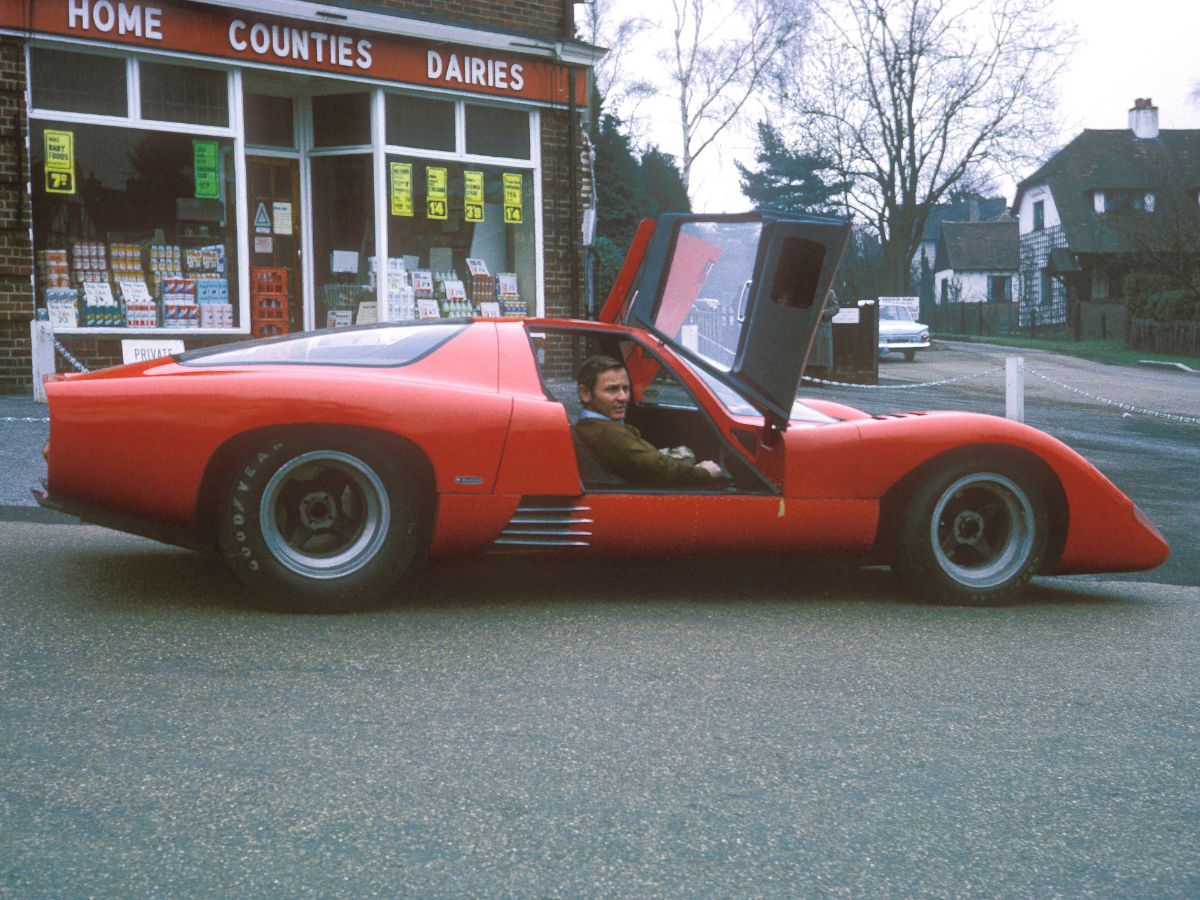
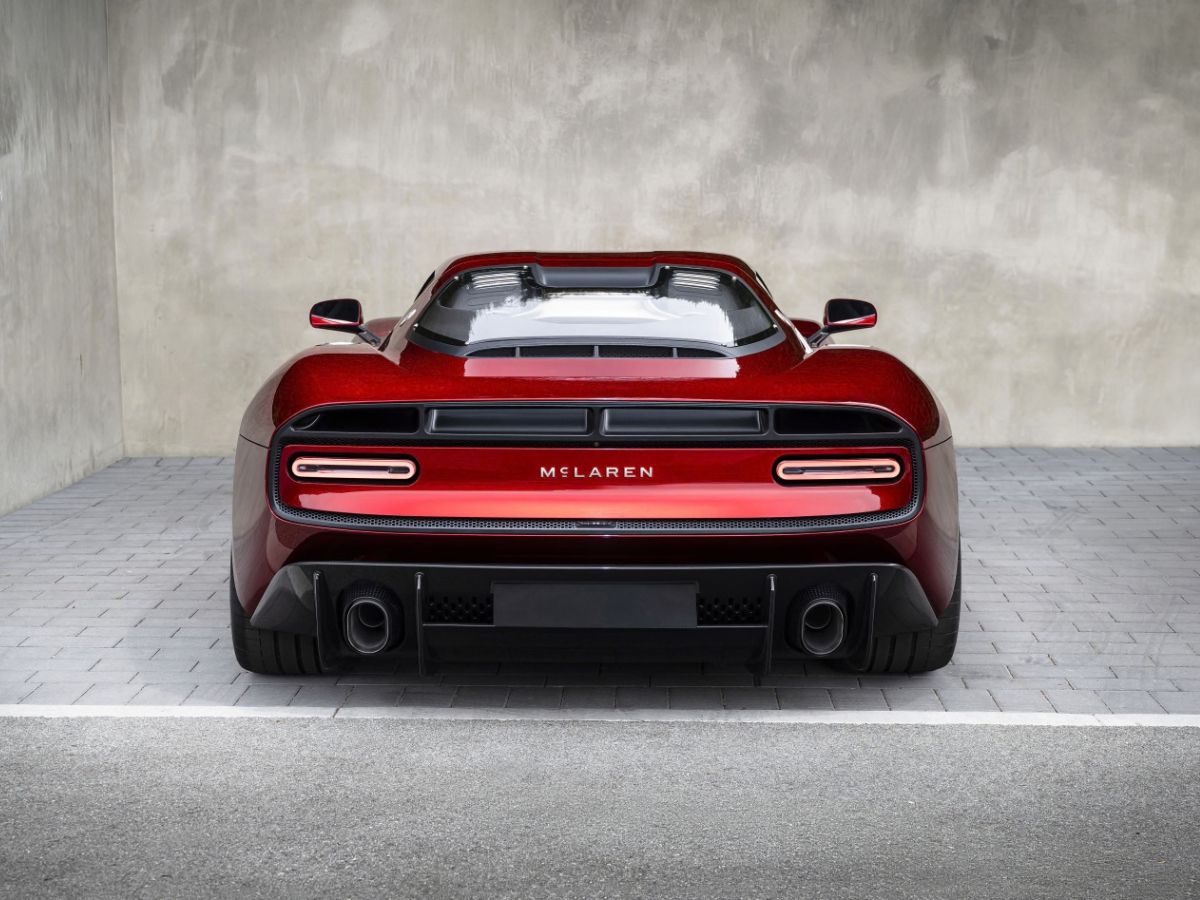
The identity reveal also follows several milestones for the company during 2026. McLaren has highlighted the history of Bruce McLaren and his early road-car ambitions, including the M6GT and the contemporary McL 6GT. On the racing side, McLaren celebrated its 1,000th Formula 1 Grand Prix and announced its Hypercar challenger for the World Endurance Championship.
There is also a significant expansion underway at McLaren Automotive. The company recently confirmed a £500-million (or P41.63 billion) investment program to expand its UK manufacturing and engineering operations as part of its longer-term growth plans. That strategy includes moving beyond its traditional two-seat sports-car range with an upcoming SUV.
Taken together, the new identity and these business, product, and motorsport developments point to a McLaren that is attempting to preserve its historic visual signatures while preparing the brand for a broader future.
For McLaren, the new identity is therefore less about abandoning its past than updating how that history is represented as the company enters its next phase.
Autocar’s Take
McLaren’s evolved identity is interesting because it does not attempt to reinvent the brand from scratch. Instead, it digs into the company’s history and brings familiar elements, from the Speedmark and papaya color to the Speedy Kiwi, into a more unified design language. The connection to Bruce McLaren’s family service station also gives the new wordmark a meaningful historical link rather than making it feel like a purely cosmetic change.
More importantly, the timing makes sense. With McLaren expanding its manufacturing operations, entering new racing territory, and preparing an SUV, the new brand identity needs to accommodate a considerably broader future.