
A study revealed that plug-in hybrid electric vehicles (PHEVs) have a higher chance of having battery issues. This is according to Australia’s Test EV founder, Nathan Gore-Brown, who said that their company’s data showed that PHEVs have higher battery health risks compared to full EVs.
Gore-Brown shared Test EV’s study with CarSales, wherein the findings across thousands of tests suggest that PHEV batteries are presenting problems more frequently. Gore-Brown shared that PHEV batteries have a higher failure rate compared to full EVs or battery electric vehicles (BEV).
“Of all the vehicles that we have failing, PHEVs are failing more often than their BEV counterparts,” Gore-Brown told CarSales.
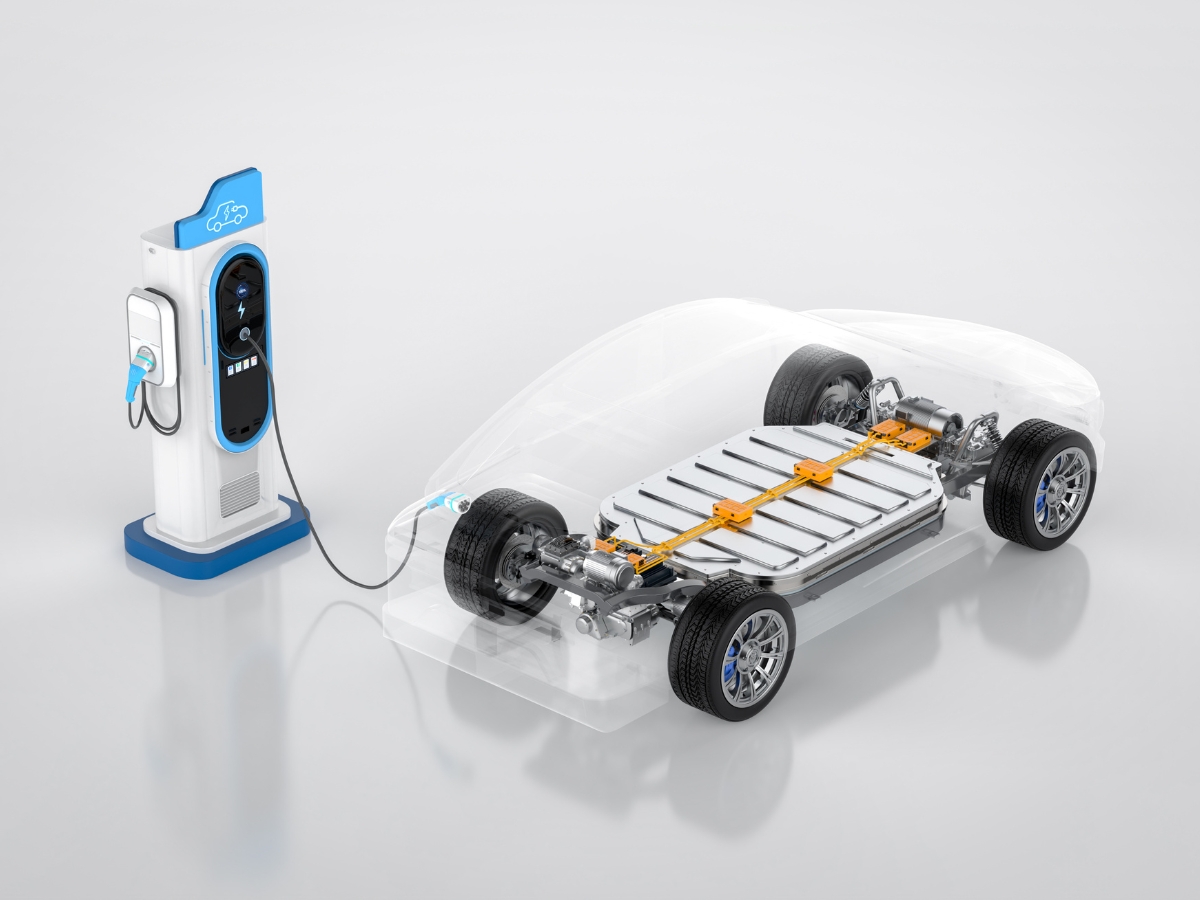
The Test EV founder cited that one of the reasons as to why PHEV batteries are encountering more issues is that it is fitted with smaller battery packs. As such, the smaller battery packs are subjected to working harder to supply the power needed for the PHEV. This could translate to frequent charging and faster discharge cycles.
There is also the possibility that PHEV owners rarely charge the battery, which is said to be an inefficient way of taking care of the battery health.
“There is plenty of feedback from years of PHEVs in the market that they need to be charged regularly to get the best out of the battery and fuel economy. So many PHEVs don’t get charged often, leading to battery issues and poorer fuel economy than a good diesel,” Gore-Brown said.
This correlates to another study conducted by the International Council on Clean Transportation (ICCT). The study shows that PHEVs produce higher carbon dioxide emissions in real-world driving as compared to the official emission ratings. The ICCT claims to have examined onboard monitoring system data from nearly 920,000 PHEVs that are registered across Europe from 2021 to 2023. The data includes information such as real-world fuel and energy consumption.
The ICCT’s study also pointed out that PHEVs offering longer electric driving ranges showed a wider real-world discrepancy, as drivers opt to use their PHEVs via traditional internal combustion engines more than the electric driving mode.
Autocar’s Take
Plug-in hybrid electric vehicles are said to have more battery issues compared to the battery packs equipped in battery electric vehicles. This is according to Test EV’s data, which cites that PHEVs are more prone to having battery health issues. Well, Test EV’s study could have a strong point since PHEVs can still be driven using the traditional internal combustion engine. As such, PHEV owners might not be maximizing driving in battery mode and are taking a more relaxed approach to taking note of the importance of battery charging cycle mode.