
Buying a new car often means accepting one simple reality: what you drive home is likely what you’ll live with for years. Sure, there are accessories and aftermarket modifications, but official upgrades from the manufacturer itself are few and far between. If a new feature arrives in a facelift or the next-generation model, existing owners usually have no choice but to admire it from afar.
Toyota Japan is challenging that idea.
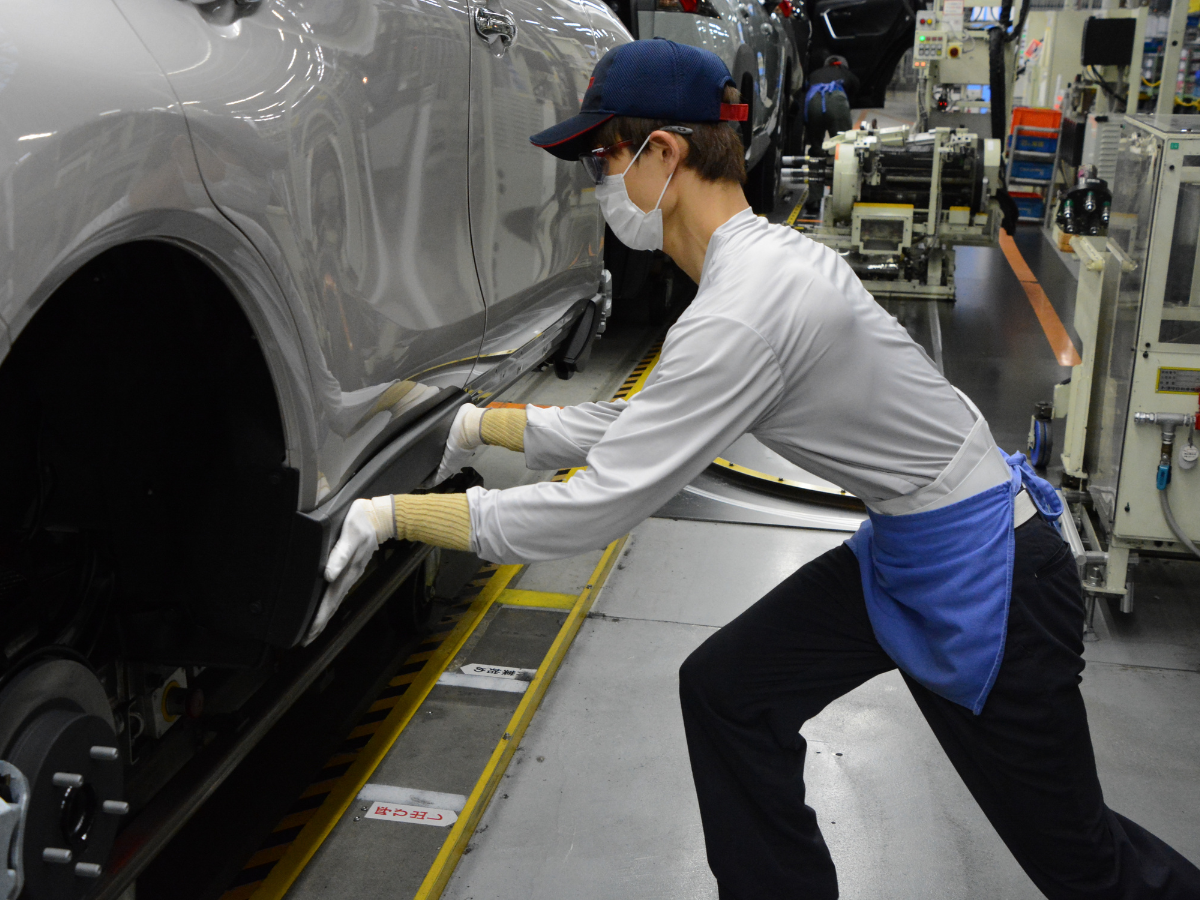
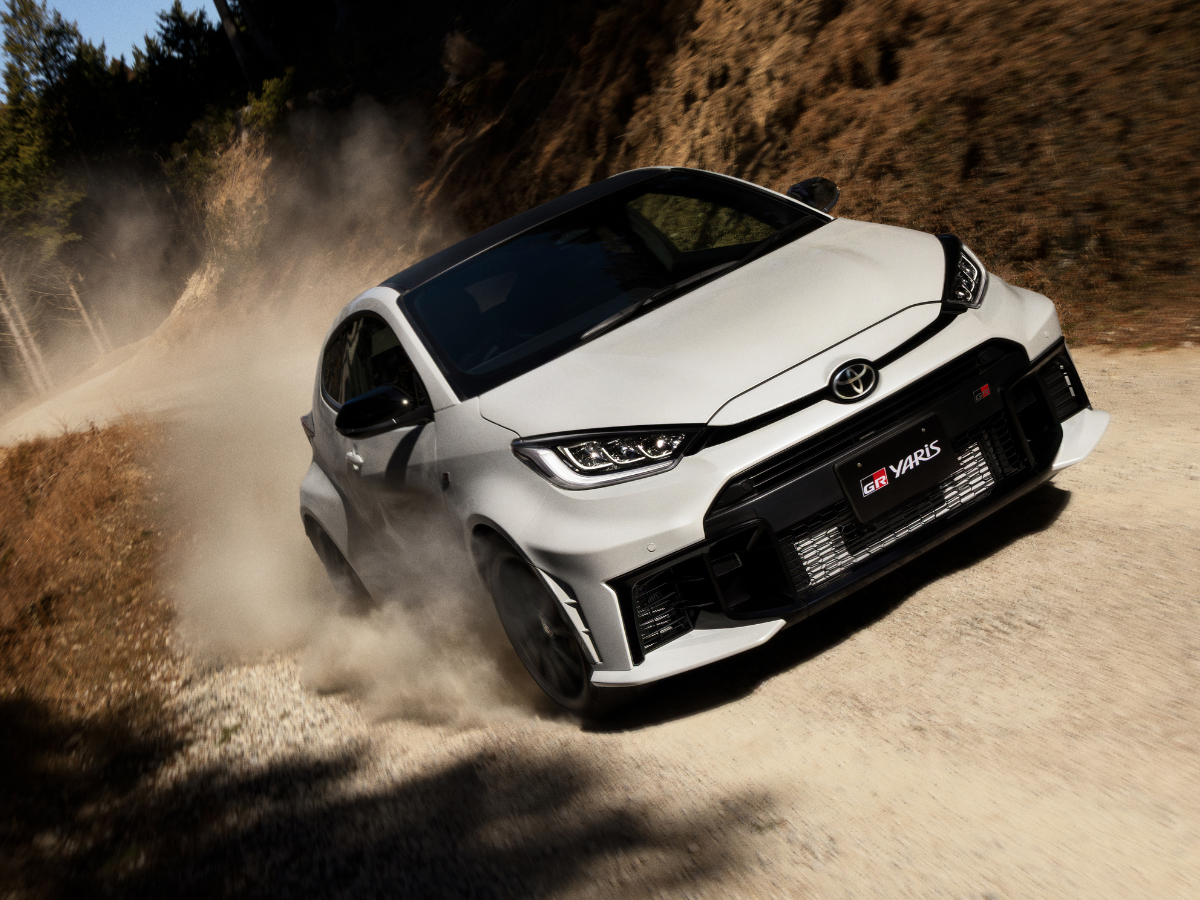
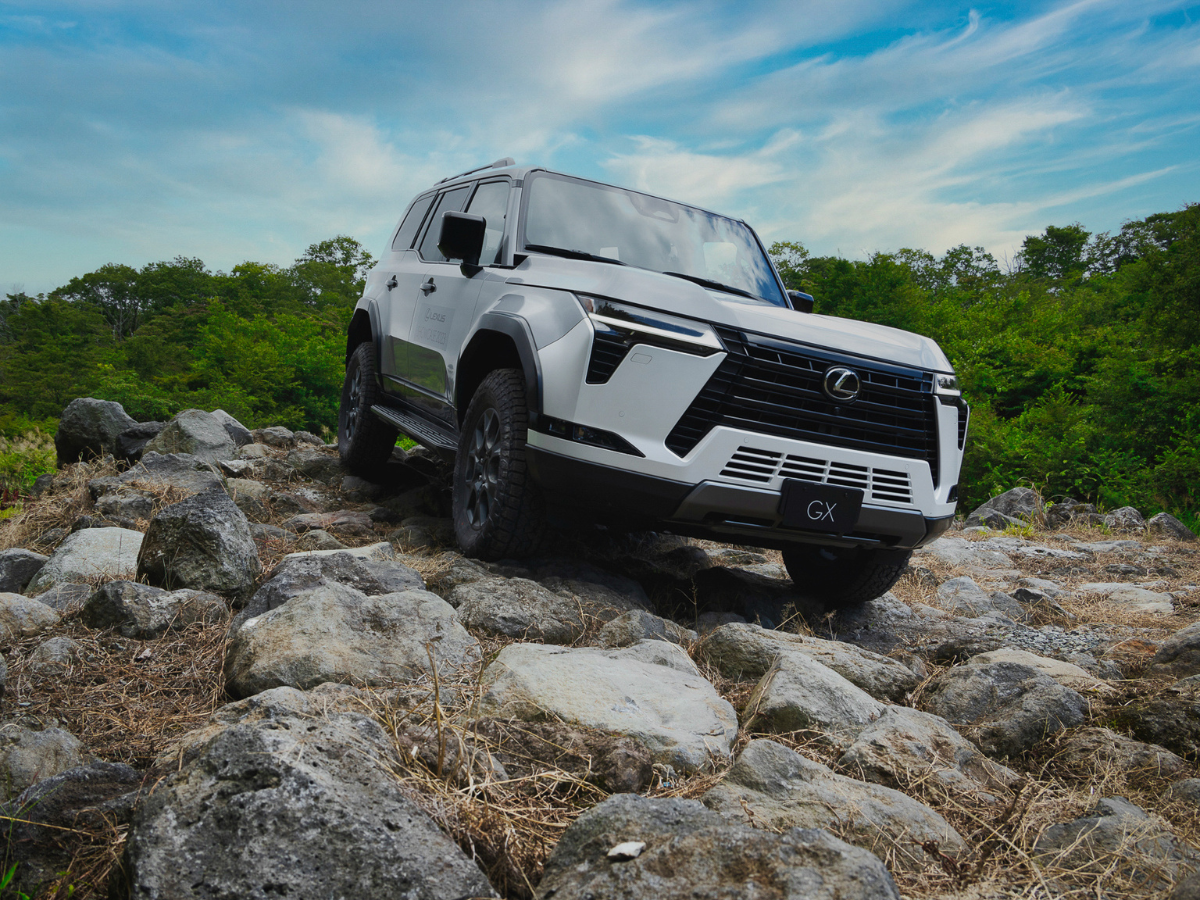
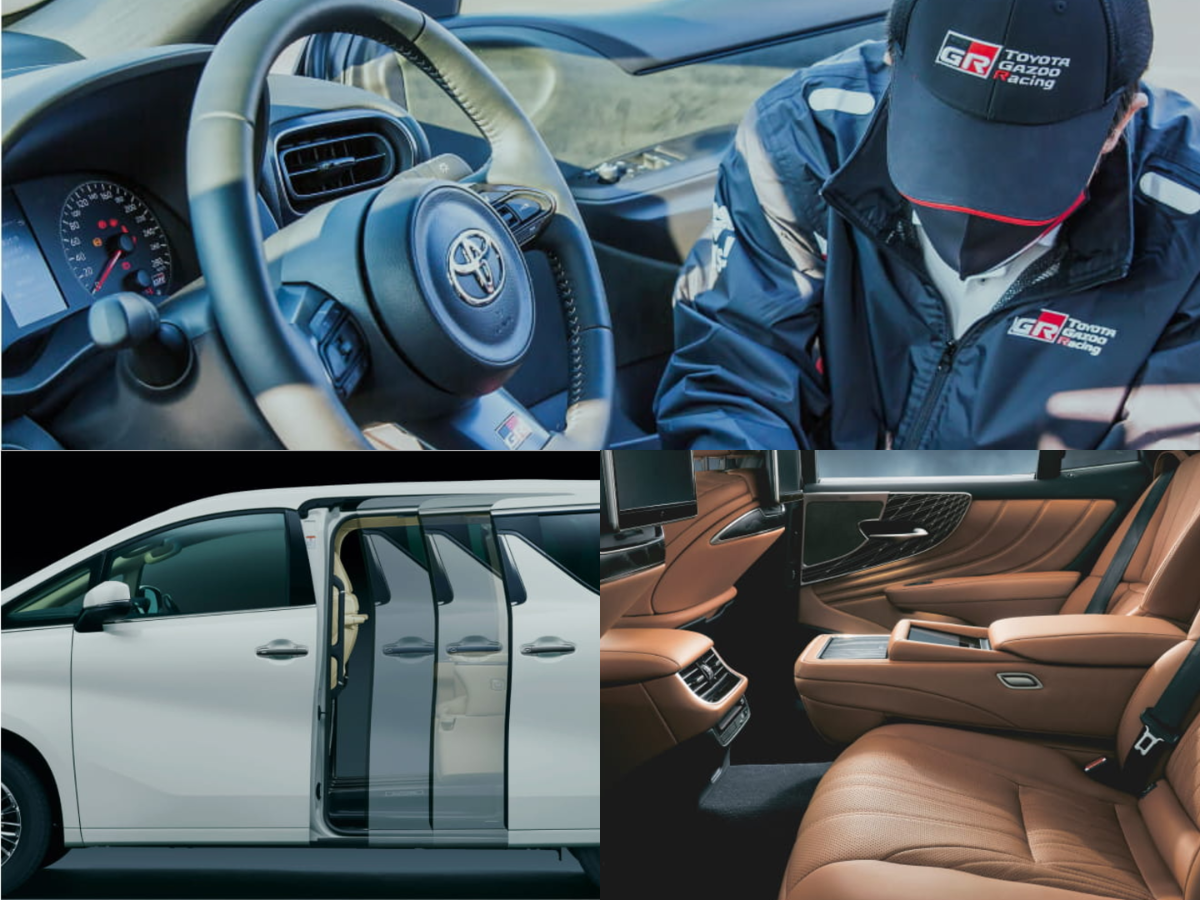
Through its newly branded Toyota Upgrade Factory, formerly known as KINTO Factory, the automaker is allowing owners of selected Toyota, Lexus, and GR models to upgrade their vehicles long after they’ve left the showroom. Depending on the model, customers can add genuine accessories, install new software functions, improve convenience features, or even opt for performance-oriented enhancements, all backed by Toyota and installed by authorized dealers.
It’s a simple concept, but one that could change the way people think about vehicle ownership.
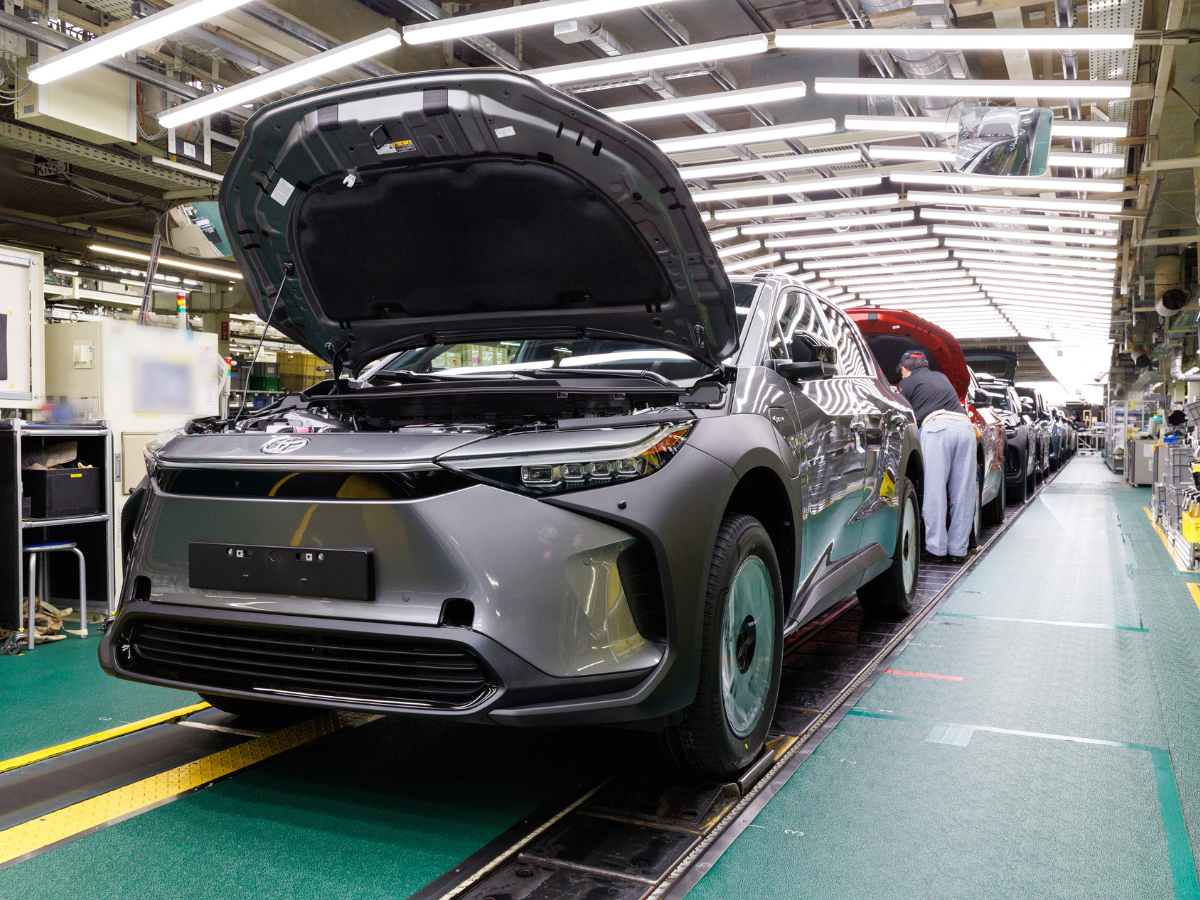
Instead of encouraging customers to replace perfectly good vehicles every time a new feature arrives, Toyota is extending the life of existing models by letting them evolve over time. Owners browse compatible upgrades online, book an installation with an authorized dealer, and receive genuine parts, professional installation, and warranty coverage in one package.
The idea makes plenty of sense in Japan, where people often keep their vehicles for several years. But it also raises an interesting question closer to home.
Should Toyota Motor Philippines, and perhaps even other automakers, consider offering something similar locally?
The Philippine market has matured significantly over the past decade. Buyers are keeping their vehicles longer, and many willingly invest in accessories, technology upgrades, and maintenance to preserve their cars. Unfortunately, much of that spending still goes to the aftermarket, where quality and compatibility can vary widely.
A factory-backed upgrade program could provide owners with greater confidence. Imagine being able to retrofit selected safety technologies, updated infotainment software, digital conveniences, or genuine appearance packages without sacrificing warranty coverage or relying on third-party installers. It would also give owners another reason to stay within the dealership network long after purchasing their vehicle.
Of course, bringing such a program to the Philippines wouldn’t be as straightforward as copying Japan’s model. Vehicle specifications differ by market, dealer training would be required, and not every feature could be retrofitted. Pricing would also need to make sense for local buyers.
Still, the idea is worth exploring.
As vehicles become increasingly defined by software as much as hardware, the ability to improve them after purchase may eventually become an expectation rather than a luxury. Toyota’s Upgrade Factory offers a glimpse of what that future could look like.
For now, it’s available only in Japan. But if there’s one takeaway from this initiative, it’s that keeping a car up to date doesn’t always have to mean buying a new one. Perhaps that’s a conversation worth having in the Philippines.
Autocar’s Take
Toyota’s Upgrade Factory is one of those ideas that seems so obvious you wonder why more manufacturers haven’t embraced it. Not every car owner is ready or willing to replace their vehicle every few years, especially when the car still serves its purpose well. Giving owners the option to add genuine features, software updates, or factory-backed accessories extends the value of their investment while strengthening customer loyalty. It may not be feasible to introduce every upgrade in the Philippines, but the concept certainly deserves consideration. Sometimes, improving the car you already own is better than chasing the next new model.