

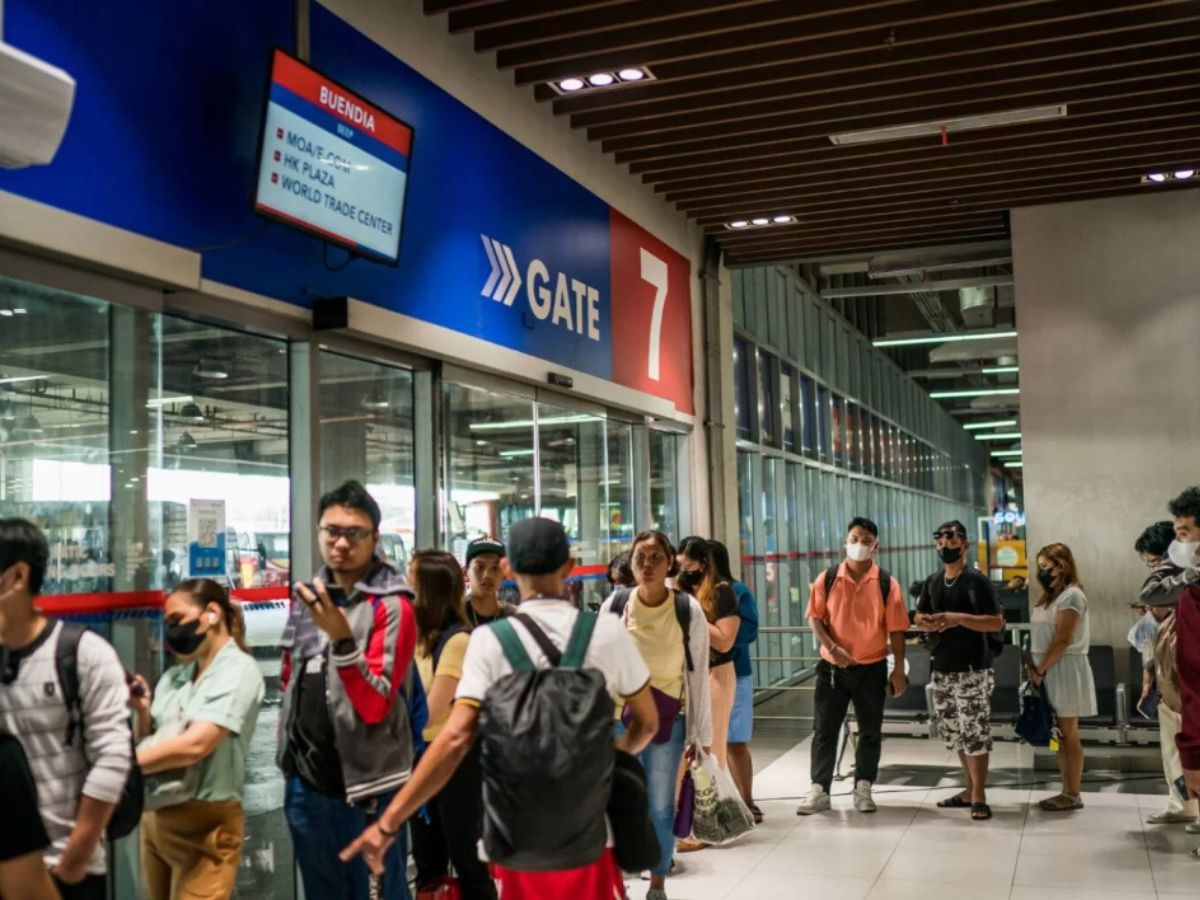
PITX welcomed more than 32 million passengers during the first six months of 2026 (H1 2026), marking another milestone for the country’s largest land transport hub as it continues to expand its reach beyond Metro Manila.
The Parañaque Integrated Terminal Exchange (PITX) reported serving 32.45 million passengers from January to June, bringing its cumulative foot traffic to 271.67 million since opening in 2018. The terminal also recorded an average daily foot traffic of around 180,000 passengers and facilitated 6.52 million vehicle departures during the same period.
According to PITX, the figures reflect the growing demand for integrated public transportation as more commuters continue to rely on the terminal for trips within Metro Manila and to various provinces.
To support this demand, PITX added three new provincial destinations in H1 2026: Laoag in Ilocos Norte, Lagangilang in Abra, and Sta. Ana in Cagayan. The additional routes strengthen connectivity between Metro Manila and Northern Luzon, providing more travel options for commuters while potentially supporting tourism, trade, and local businesses in the regions.
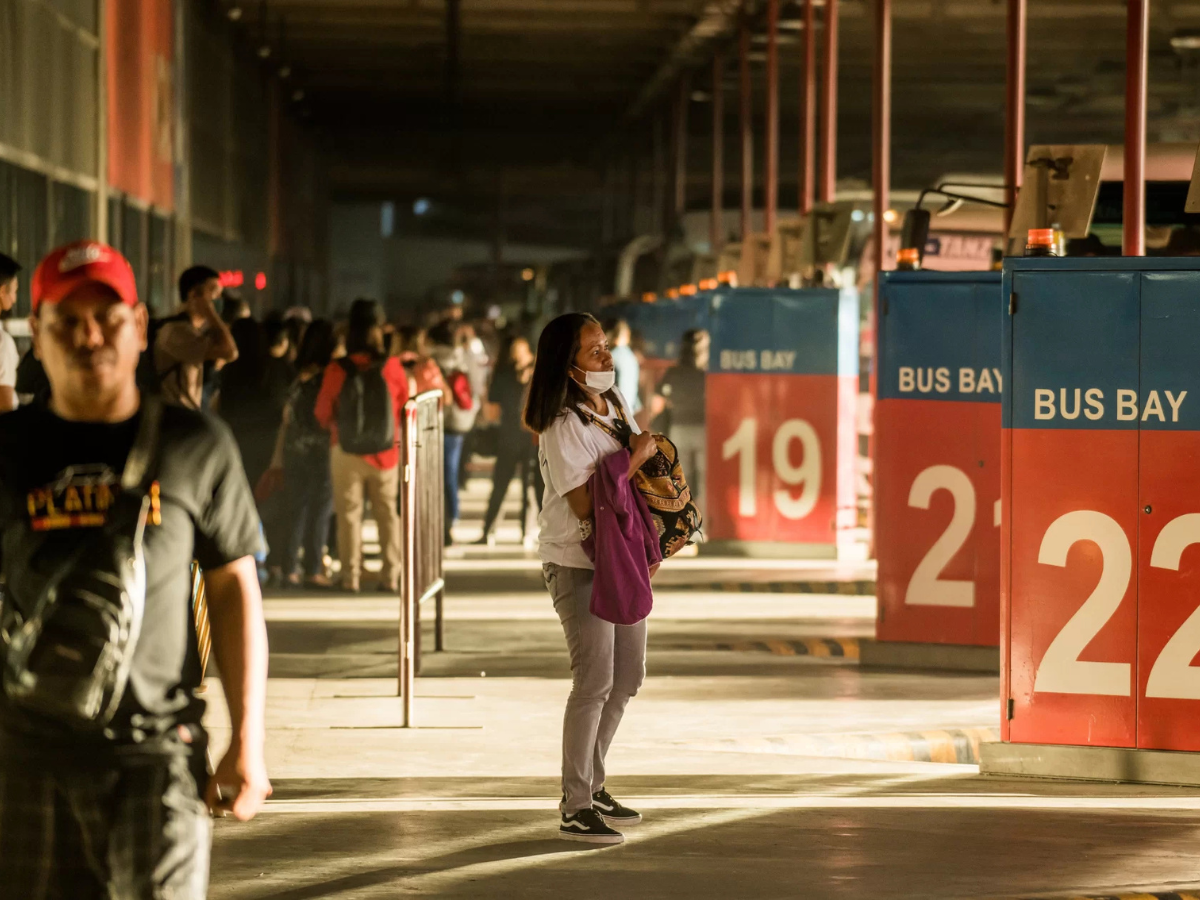
PITX Chief Operating Officer Mohit Malhi said the passenger growth reflects increasing confidence among commuters and transport operators in the terminal. He added that the company intends to continue improving the commuting experience while supporting broader mobility and regional connectivity goals.
Beyond its role as a transport terminal, PITX said it has continued to develop into an integrated mobility hub by combining transport services with retail, dining, and government services. It currently connects provincial buses, city buses, modern jeepneys, and rail services, allowing passengers to transfer more conveniently between different modes of transportation.
The milestone also supports Megawide’s broader transport-oriented development strategy. Following the PITX model, the company is advancing similar integrated transport developments in Baguio and Carmona, Cavite, which are expected to improve regional accessibility while encouraging economic activity in surrounding communities.
As passenger numbers continue to rise and new routes are introduced, PITX remains one of the country’s busiest transport hubs, highlighting the growing importance of integrated terminals in improving public transportation across the Philippines.
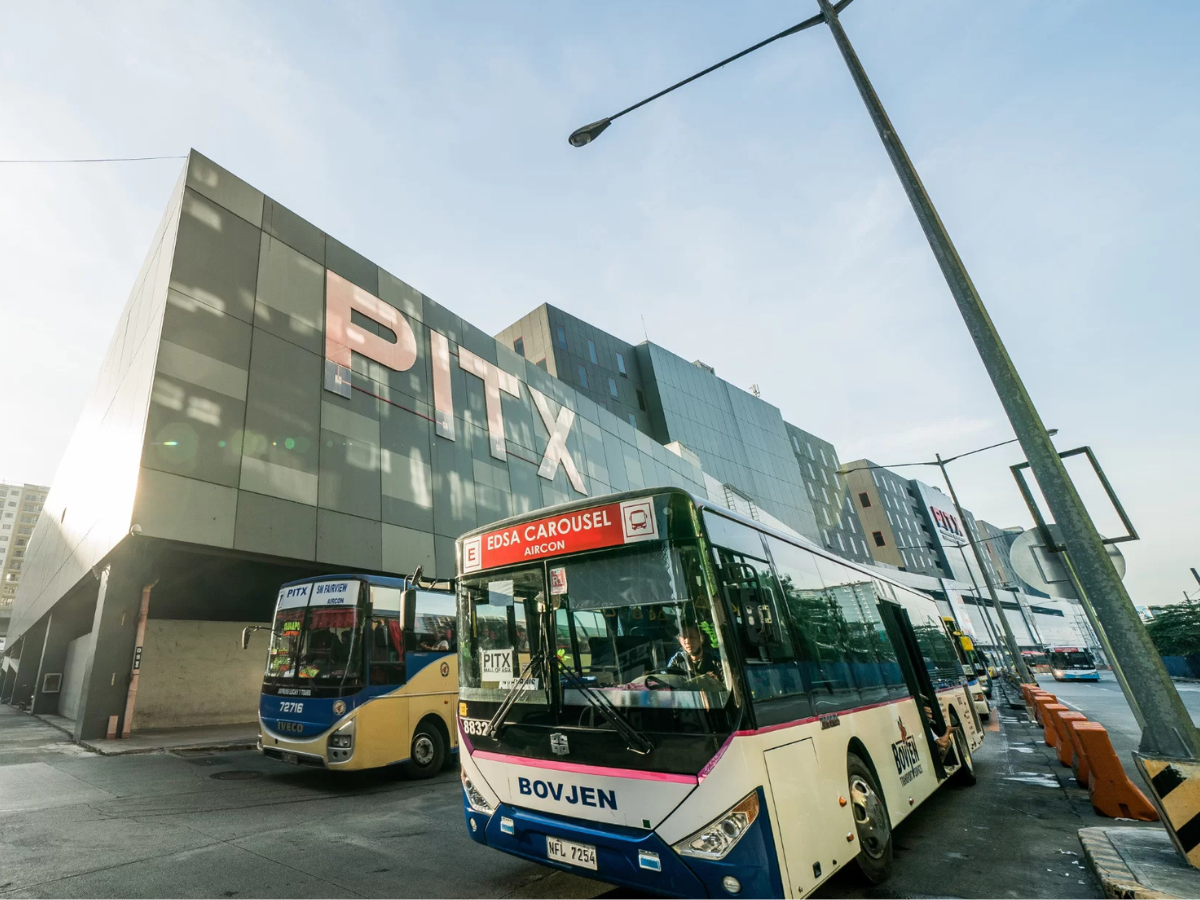
Autocar’s Take
PITX’s latest passenger figures show just how important integrated transport hubs have become for Filipino commuters. While passenger growth alone does not automatically mean every commuter experience has improved, the steady expansion of routes and connectivity suggests that more people are finding value in centralized terminals. As travel demand continues to recover and grow, investments in projects like PITX could help make long-distance travel more organized and efficient. The challenge now is ensuring that service quality, passenger comfort, and transport integration keep pace with rising demand, so the growth of PITX benefits commuters just as much as the numbers suggest.