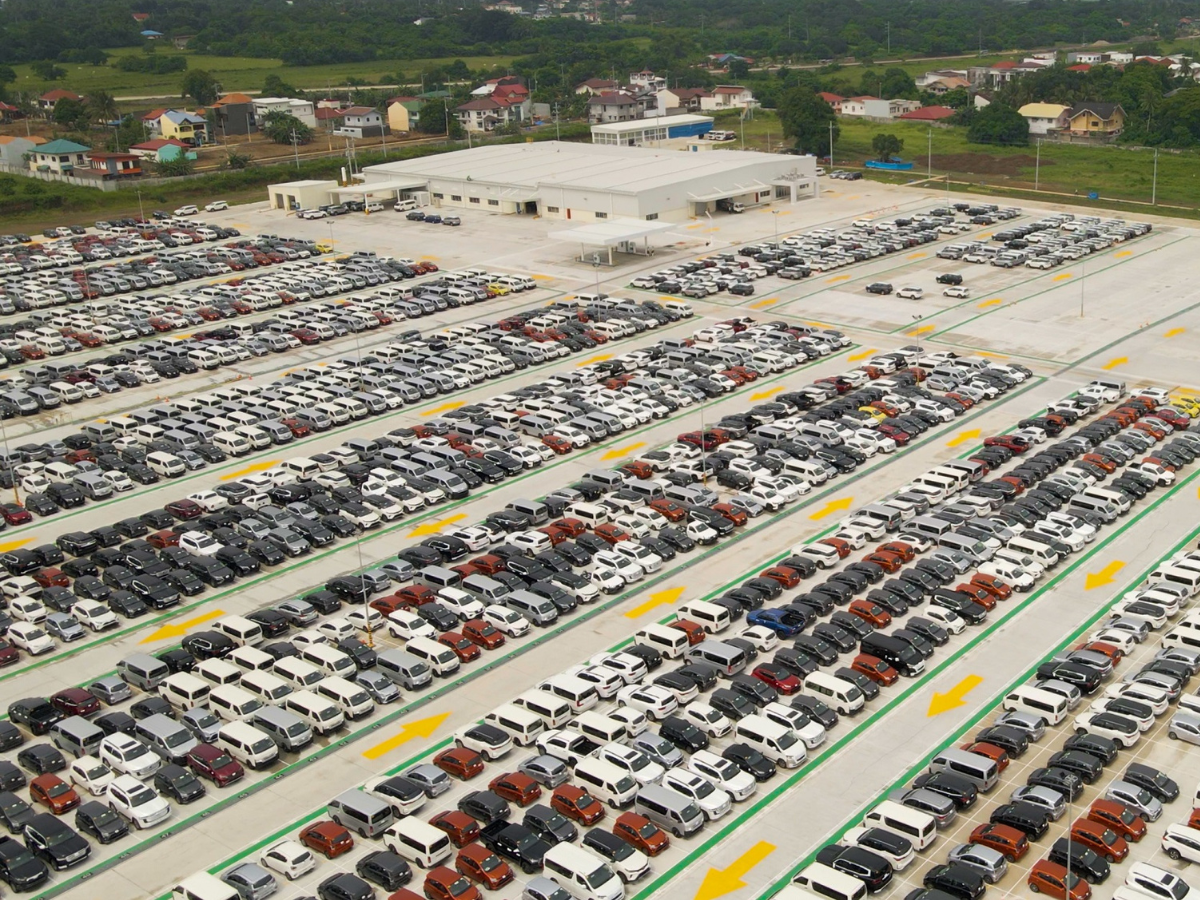
The Philippine automotive industry may be down on paper, but the latest CAMPI-TMA sales report suggests the market is evolving rather than retreating.
Industry sales reached 167,324 units during the first five months of 2026, a 12.1 percent decline from the 190,429 units sold during the same period last year. May itself reflected the trend, with 33,580 units sold, down 15.7 percent year-on-year.
At first glance, those figures paint a gloomy picture. But a closer look reveals that demand remains healthy—it is simply shifting.
Commercial vehicles continue to dominate the market, accounting for more than 80 percent of total sales, while passenger cars slipped by 16.2 percent. The preference for SUVs, pickups, MPVs and crossovers reflects Filipino buyers’ continued focus on practicality and versatility, a trend that shows no sign of slowing.
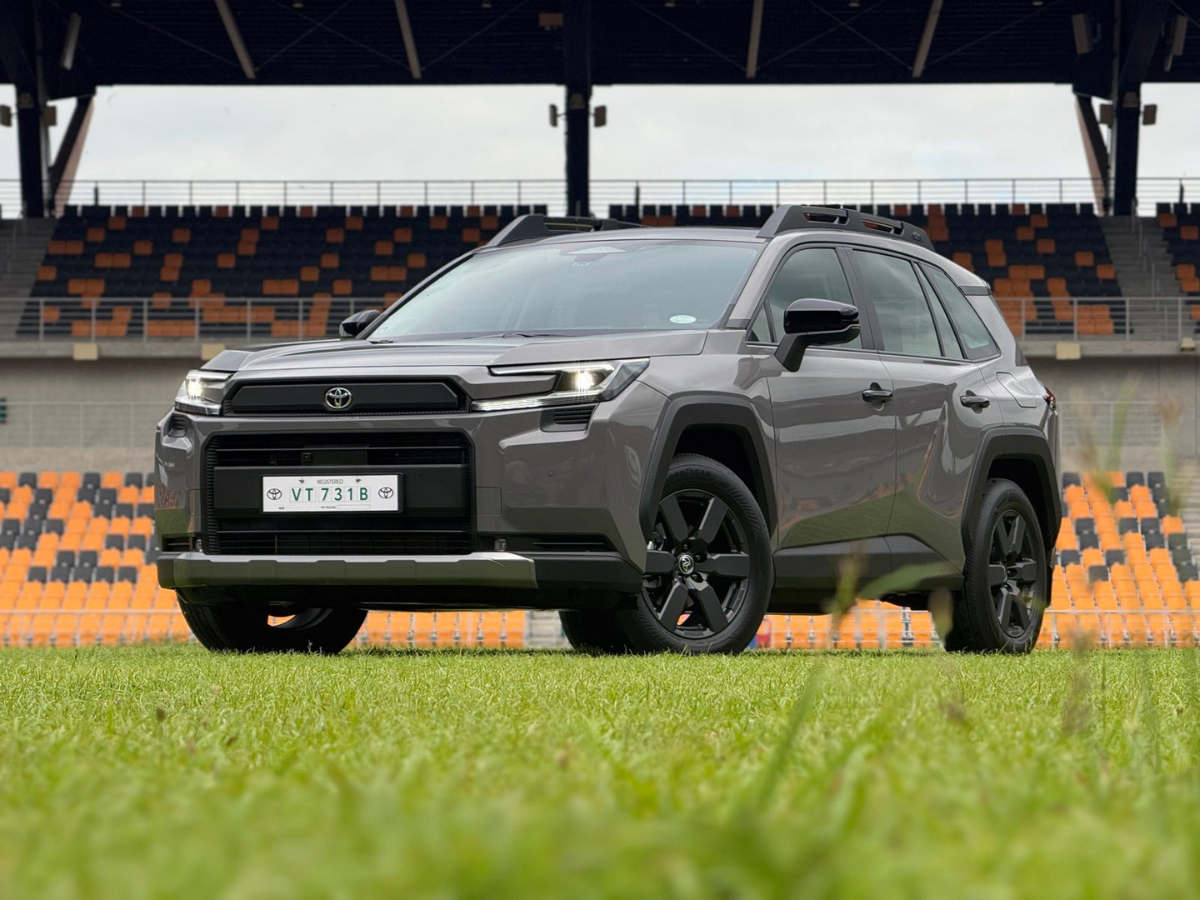
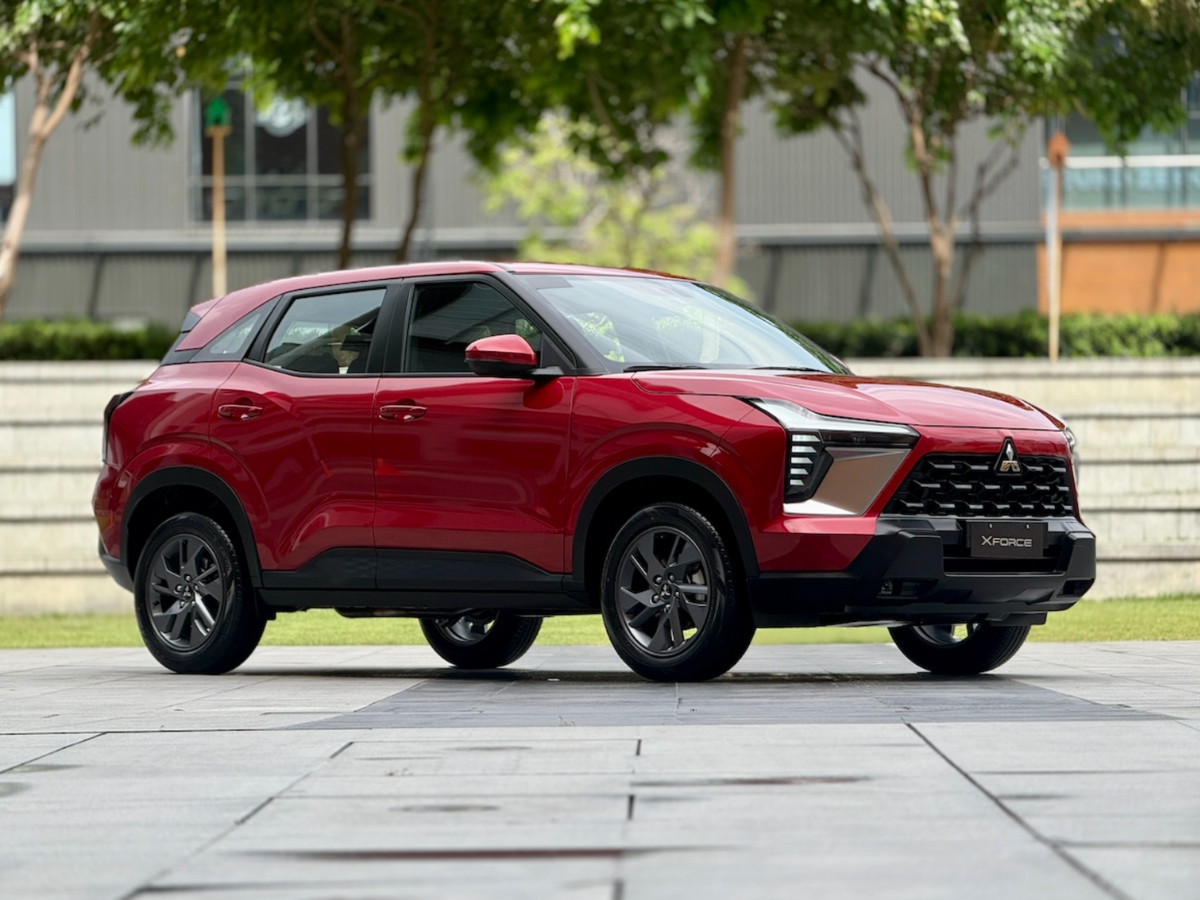
Toyota Motor Philippines remains the industry’s undisputed leader with nearly 50 percent market share despite recording a 9.1 percent decline in volume. Mitsubishi Motors Philippines holds second place, while Suzuki rounds out the top three. Although most of the established Japanese brands posted lower year-to-date sales, their strong dealer networks and loyal customer base continue to provide stability in an increasingly competitive environment.

Where the market is changing most rapidly is among the emerging brands.
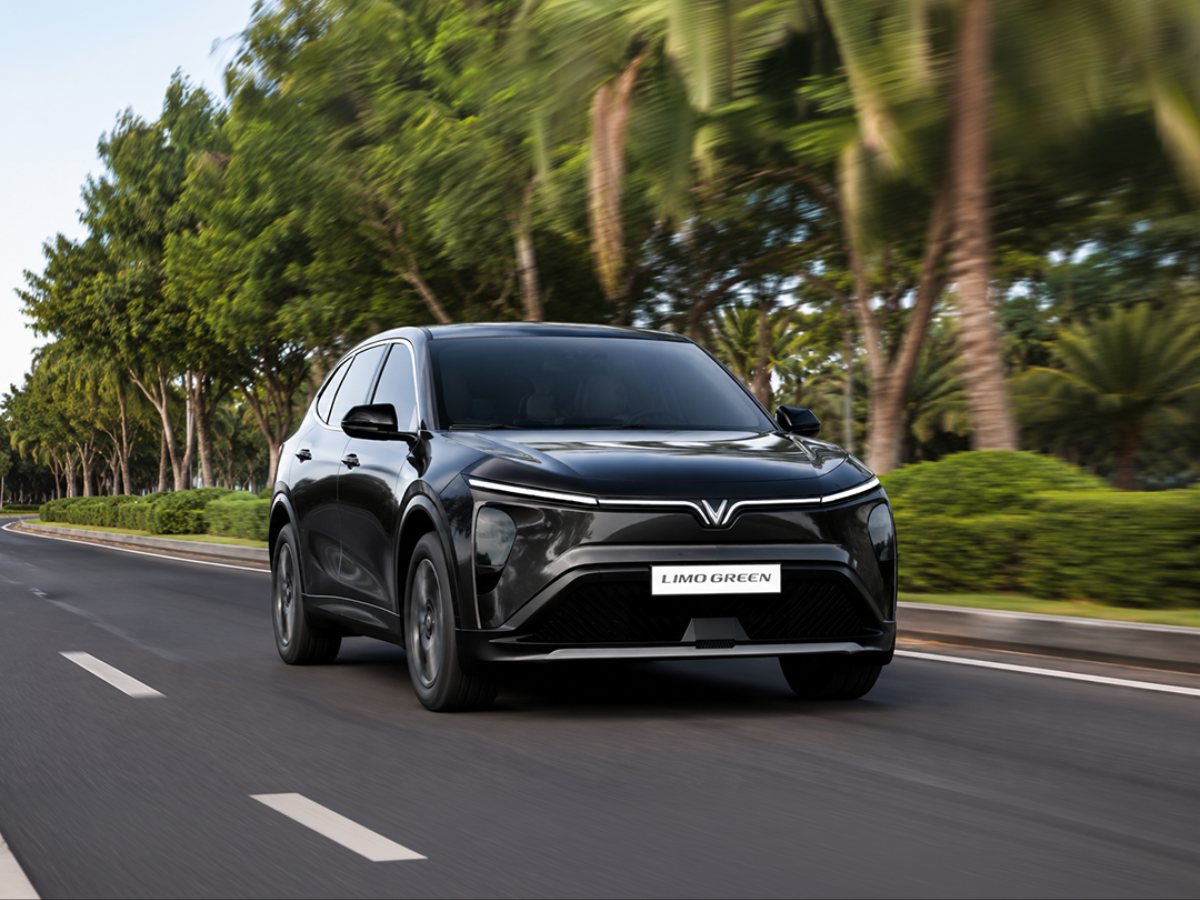
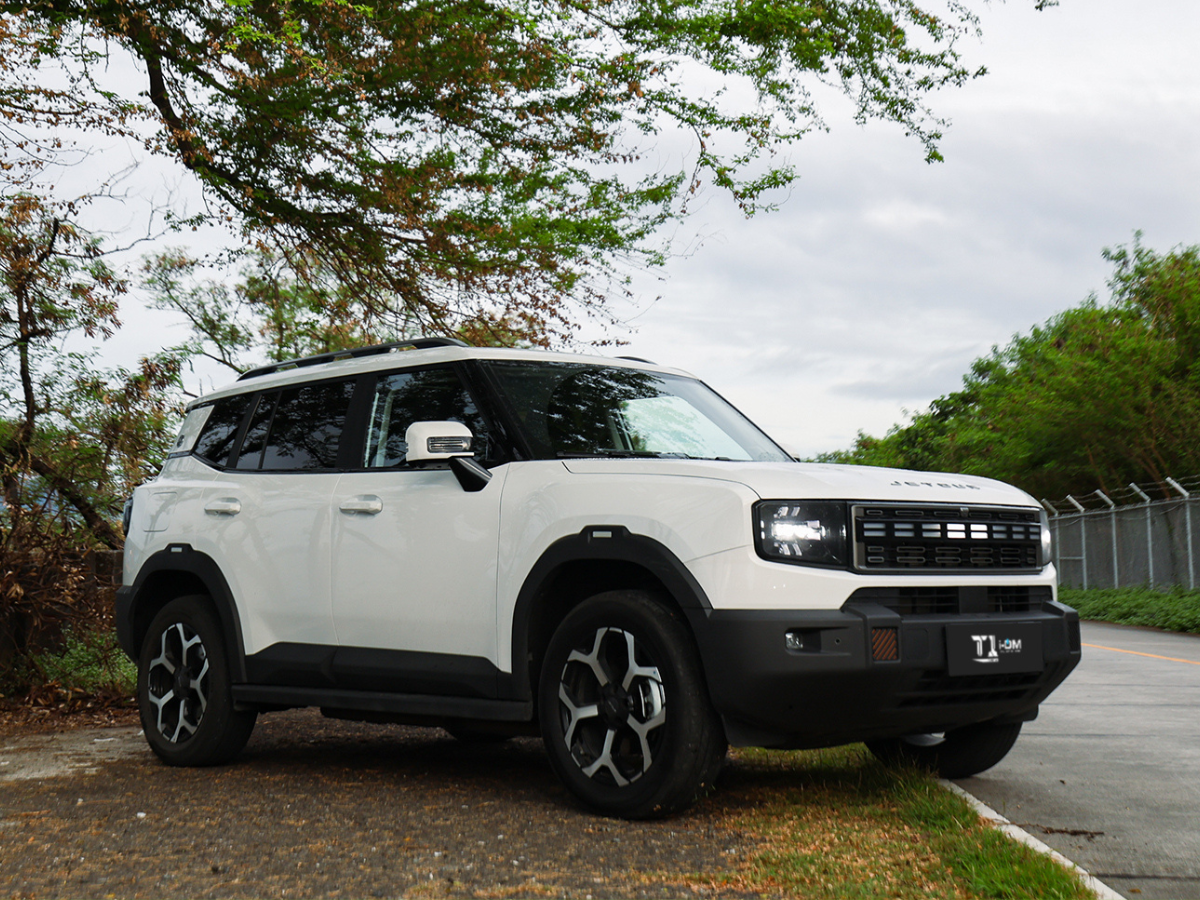
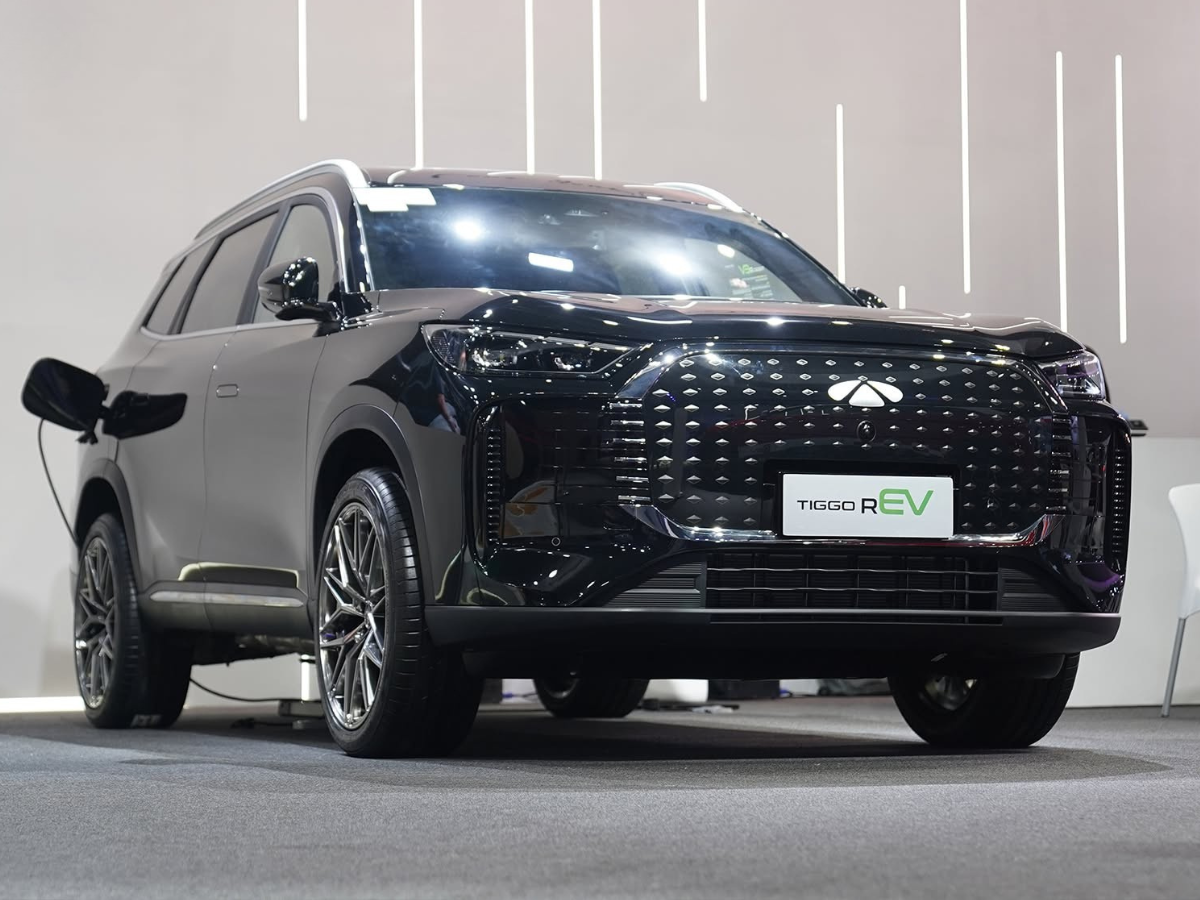
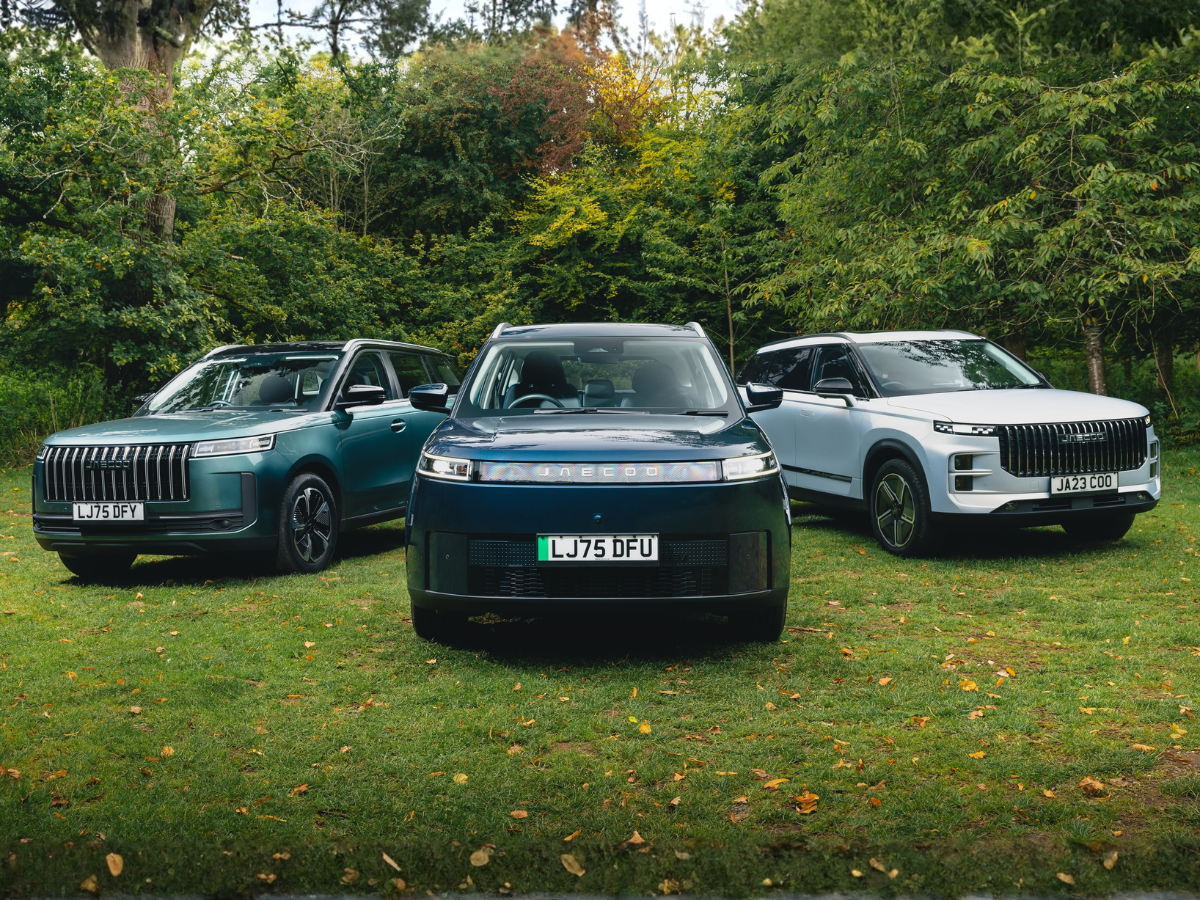
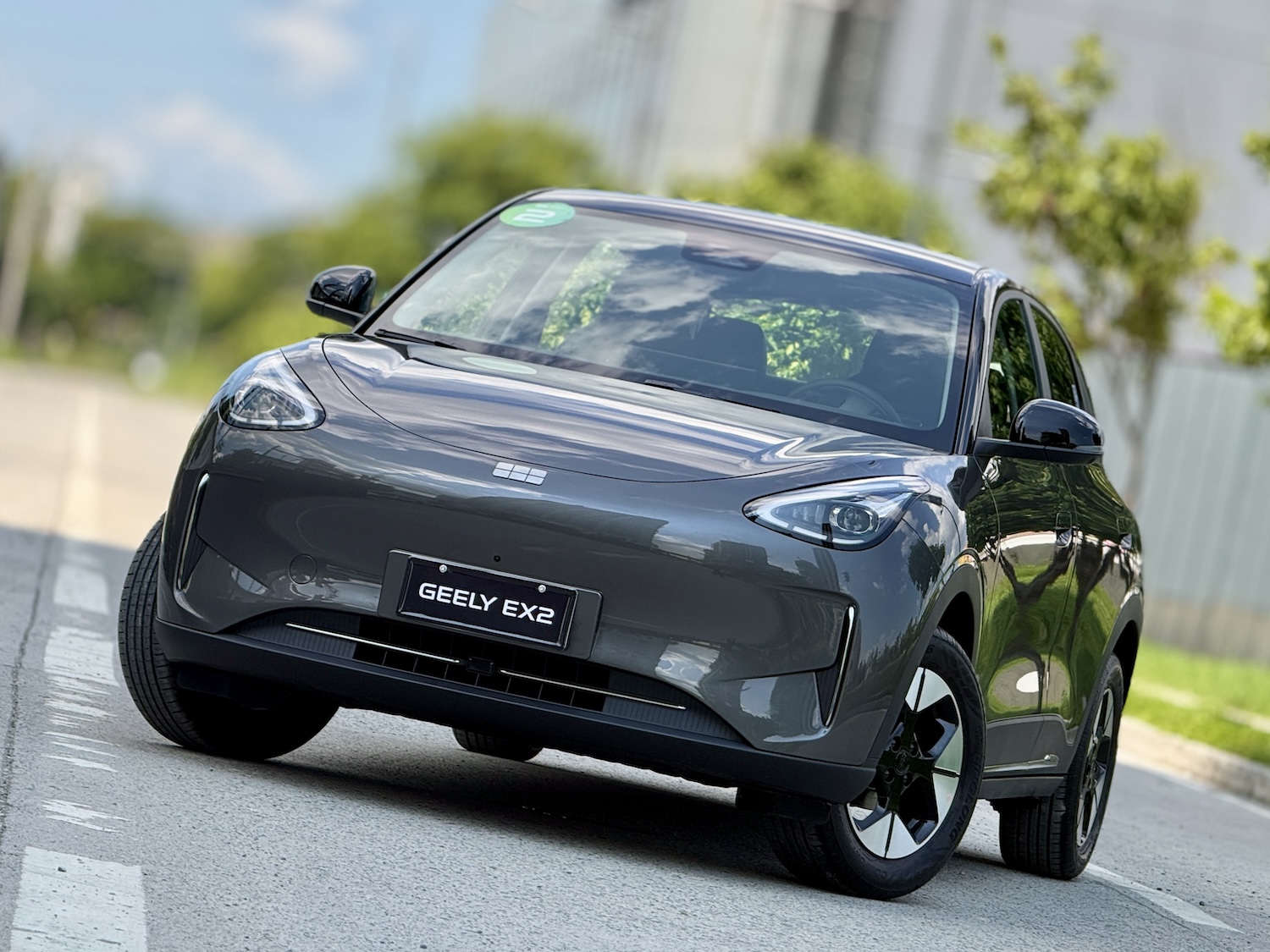
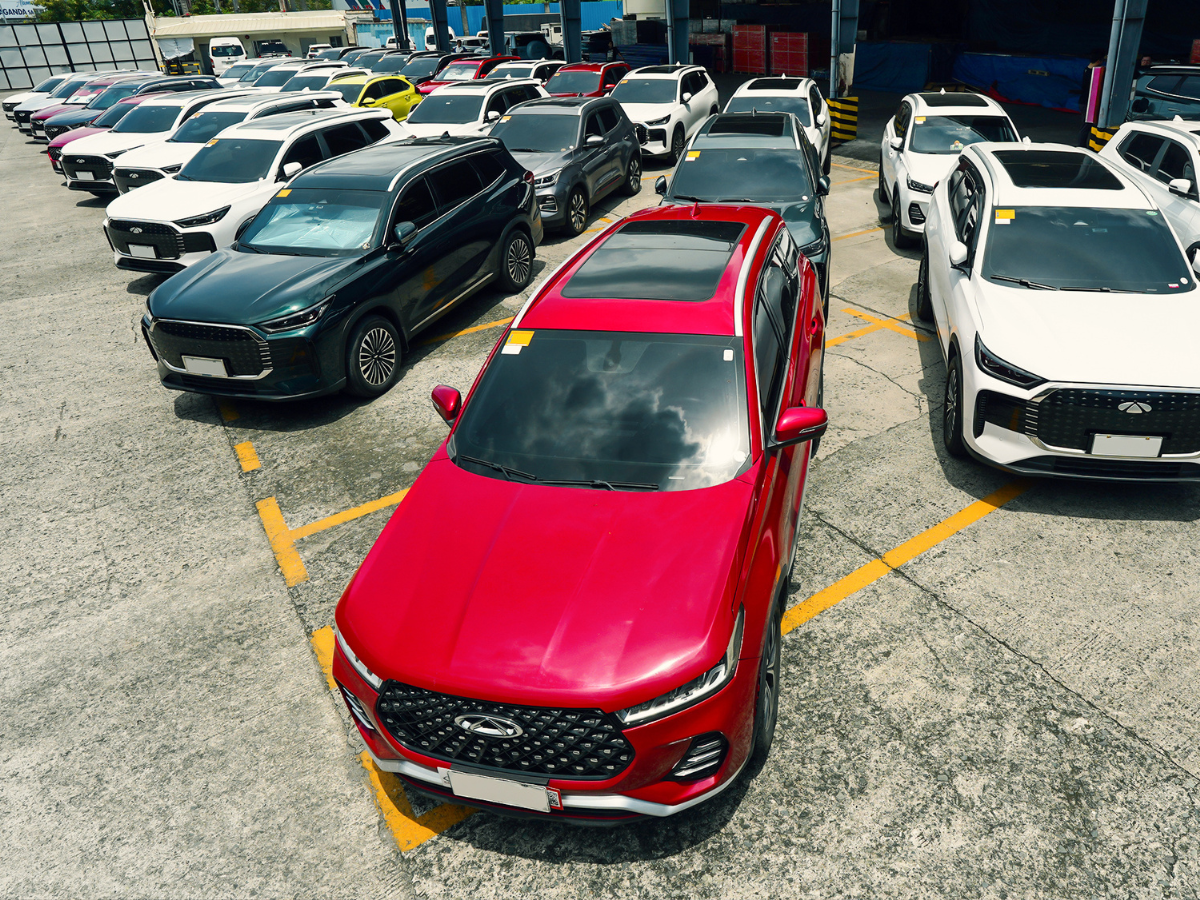
Manufacturers such as VinFast, Jetour, Chery, Omoda & Jaecoo, and Geely continue gaining traction, giving consumers more choices than ever before. Their growth highlights an increasingly competitive market where value, technology and product features are becoming just as important as long-established brand heritage.
The biggest story, however, is electrification.
Sales of electrified vehicles—including hybrids, plug-in hybrids and battery electric vehicles—have surged 133.5 percent year-to-date, rising from just over 10,400 units last year to more than 24,300 units in 2026. Electrified vehicles now account for nearly 15 percent of the entire market, compared to just 5.5 percent a year ago.
Hybrid electric vehicles continue to make up the largest share of xEV sales, but battery electric vehicles have nearly tripled while plug-in hybrids have recorded the fastest growth. These figures suggest Filipino consumers are becoming increasingly comfortable with electrified mobility as more models become available across different price points.
Rather than signalling a weakening industry, the latest sales report reflects a market undergoing transition. The explosive growth of electrified vehicles, the continued rise of Chinese manufacturers and the sustained dominance of utility vehicles all point to changing consumer priorities.
The headline may be a 12 percent decline, but the more important takeaway is that the Philippine automotive market is becoming more diverse, more competitive and more technologically advanced. For manufacturers, success will no longer depend solely on selling more vehicles—it will depend on offering the right products for a market whose expectations are evolving faster than ever.