
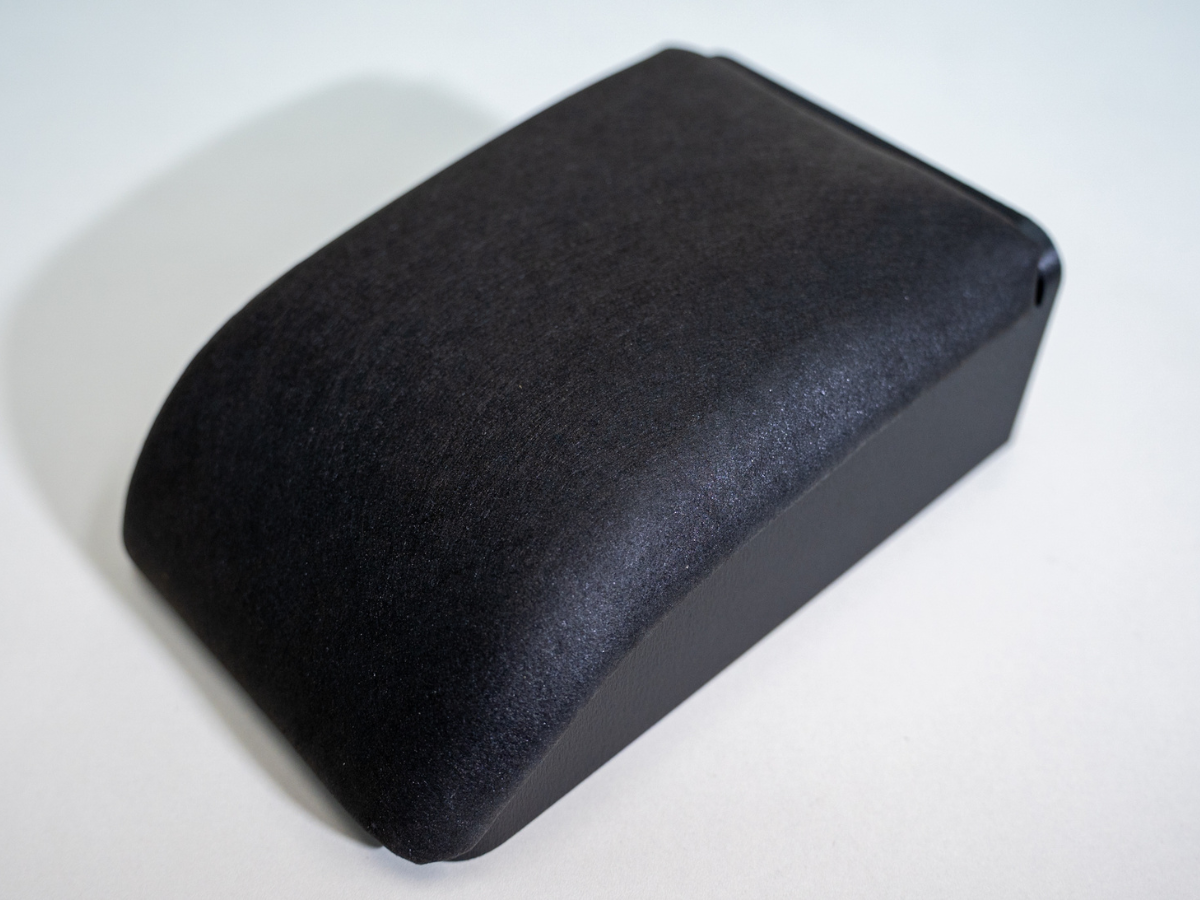
German chemical company BASF and Japanese apparel brand Wacoal have expanded their collaboration into the automotive sector. Case in point: the companies have recently unveiled a new armrest concept that showcases how advanced fiber-based manufacturing could help shape the next generation of vehicle interiors.
The concept combines Wacoal’s proprietary Melooop three-dimensional fiber molding technology with BASF’s Elastollan thermoplastic polyurethane (TPU), creating a lightweight automotive interior component designed to improve comfort, durability, and recyclability. The armrest made its public debut at the Automotive Engineering Exposition 2026 in Nagoya, Japan, held from June 17 to 19.
While Wacoal is best known as an apparel manufacturer, the company has been exploring new applications for its Melooop technology beyond clothing. The process uses a melt-blown method that forms and layers fibers simultaneously, enabling complex three-dimensional structures to be created in a single manufacturing step without adhesives or multi-layer assemblies. According to the companies, this reduces production complexity, lowers material consumption, and minimizes waste.
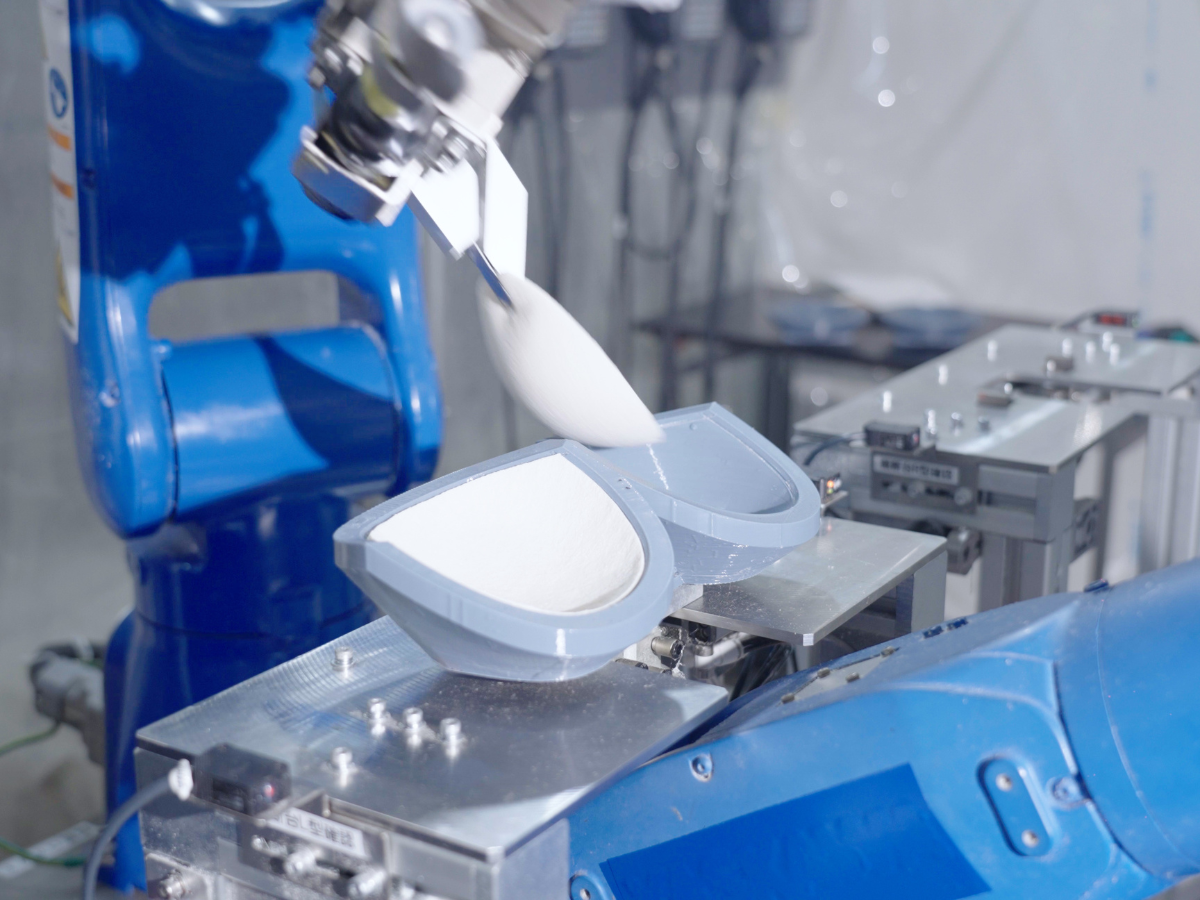
For automotive applications, Melooop offers several advantages. Engineers can tailor thickness, density, and material properties during development, allowing components to be optimized for weight, performance, and durability. The technology also supports mono-material construction, which can simplify recycling at the end of a vehicle component’s life cycle.
BASF’s Elastollan TPU plays a key role in the process by combining the moldability of thermoplastics with the flexibility and resilience of elastomers. This allows the resulting 3D fiber structures to maintain both softness and structural integrity, qualities that are particularly important for occupant-contact surfaces such as armrests. The companies said the material offers elastic recovery under repeated loading, helping components retain their shape and comfort over time.
The project reflects a broader industry push toward lighter and more sustainable cabin materials without compromising passenger comfort. Although the armrest remains a concept, BASF and Wacoal believe the technology has potential for future automotive interior applications where design freedom, material efficiency, and recyclability are rapidly becoming key development priorities.
Autocar’s Take
The automotive industry is constantly looking for ways to make vehicles lighter, more comfortable, and more sustainable, and innovations like BASF and Wacoal’s armrest concept show that progress does not always come from traditional carmakers. While the technology is still in the concept stage, it highlights how material suppliers are helping shape future vehicle interiors behind the scenes. The focus on recyclability and simplified manufacturing also reflects the growing pressure on the industry to reduce waste throughout a product’s life cycle. Whether or not this specific design reaches production, it offers an interesting glimpse into how automotive cabins could evolve in the years ahead.