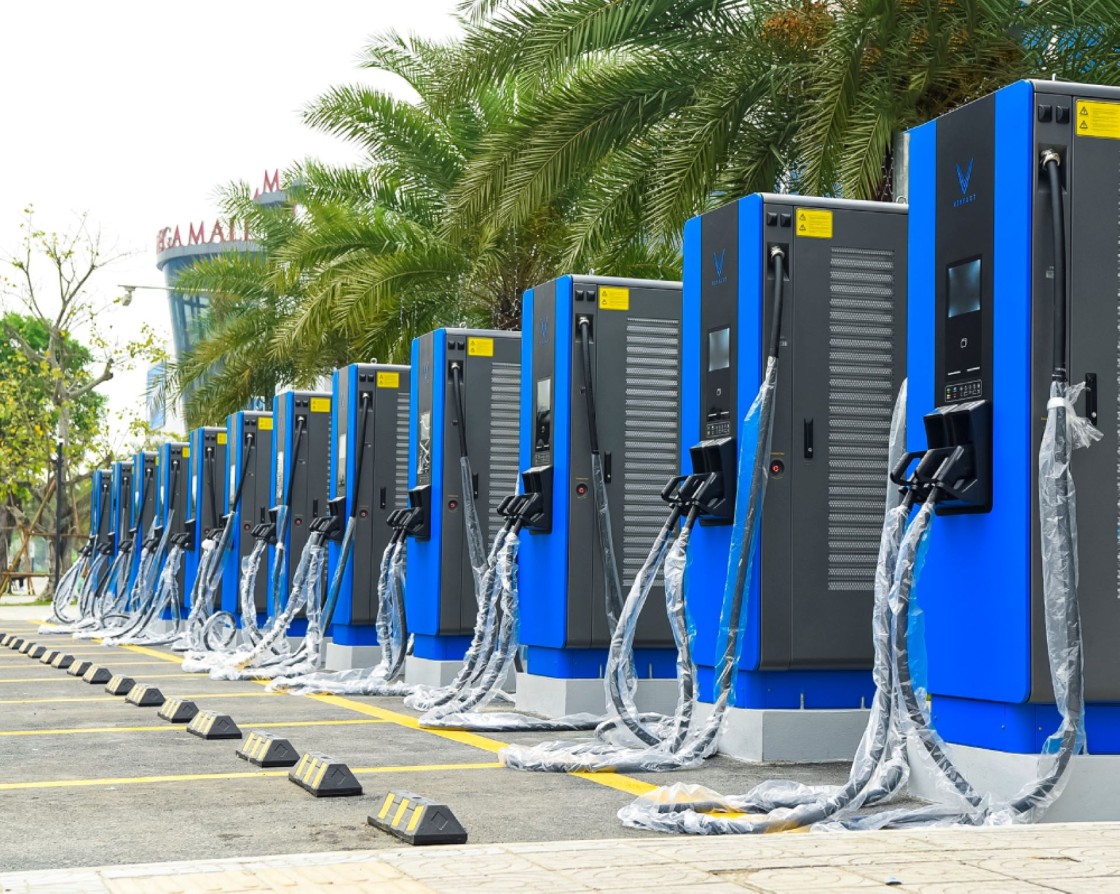

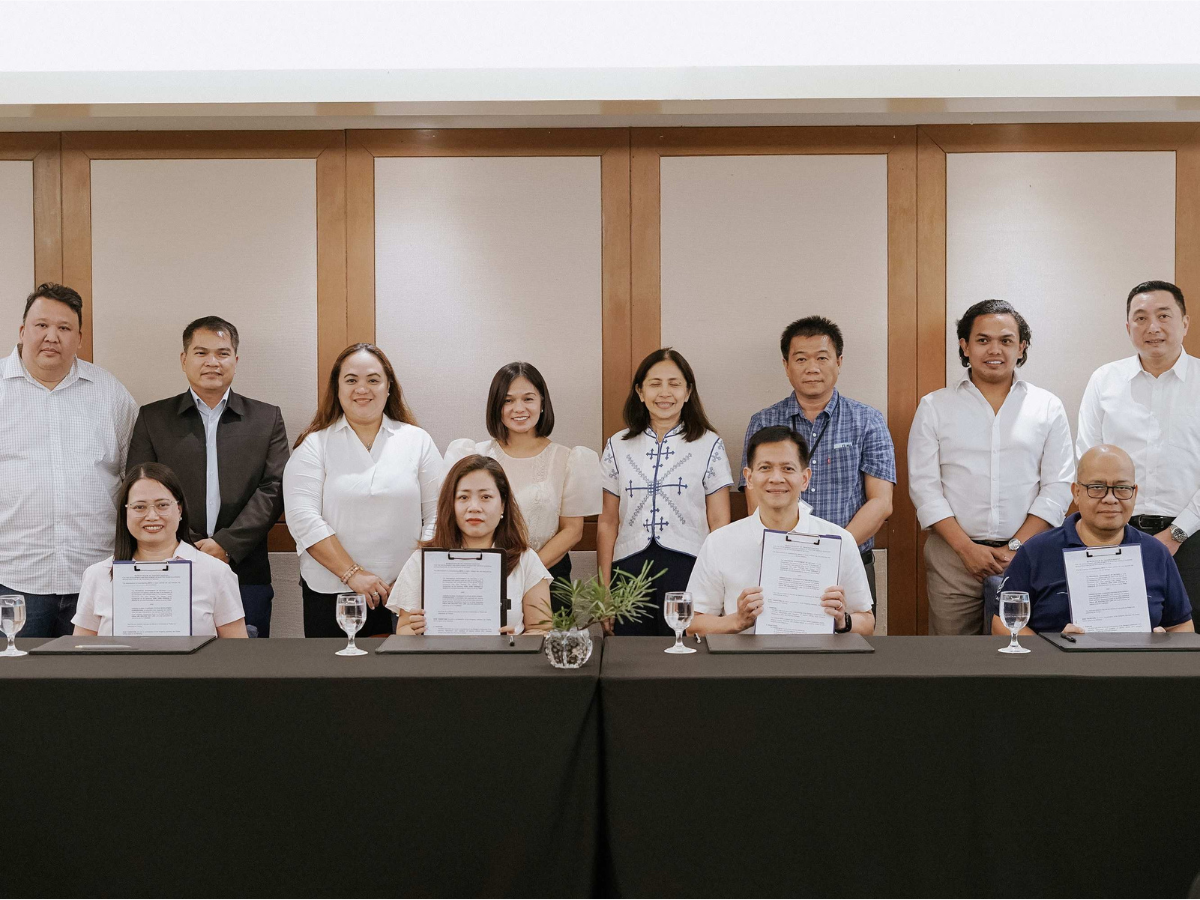
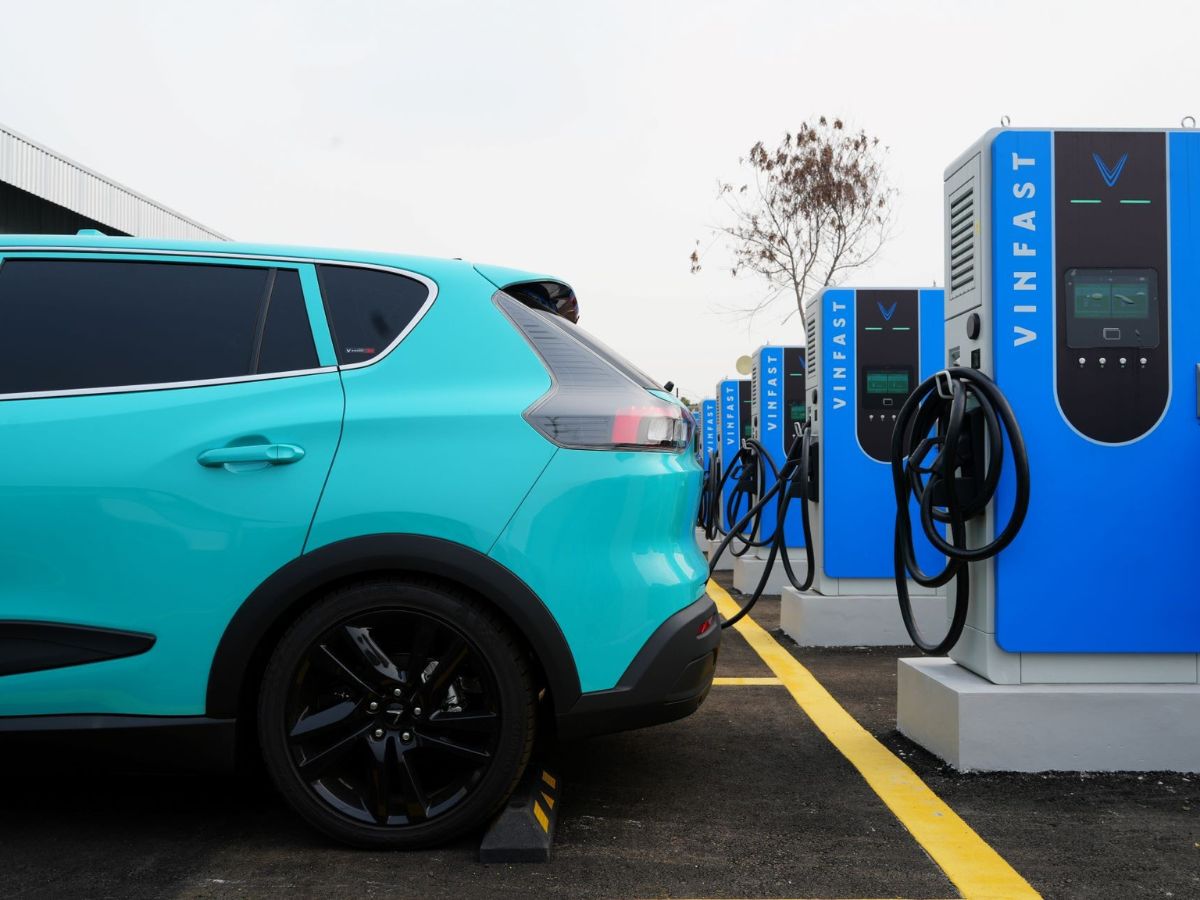
Vietnamese new-energy infrastructure company V-Green is accelerating its push into the Philippine electric vehicle (EV) market. Case in point: the company recently signed separate Memoranda of Understandings (MOUs) with the Provincial Government of Bataan and fuel retailer Clean Fuel.
The move aims to expand charging and battery-swapping infrastructure across key locations in Luzon. V-Green said the agreements aim to improve accessibility for EV users while supporting the adoption of cleaner transportation in the country.
Under the partnership with Bataan, V-Green will work with the provincial government to plan, deploy, and operate a province-wide EV charging network covering one city and 11 municipalities. It is targeting the installation of 600 charging stations and 1,200 battery-swapping stations across the province.
V-Green will oversee the supply, installation, operation, and maintenance of the facilities. Meanwhile, the provincial government will assist in securing permits, identifying strategic locations, and coordinating with local government units.
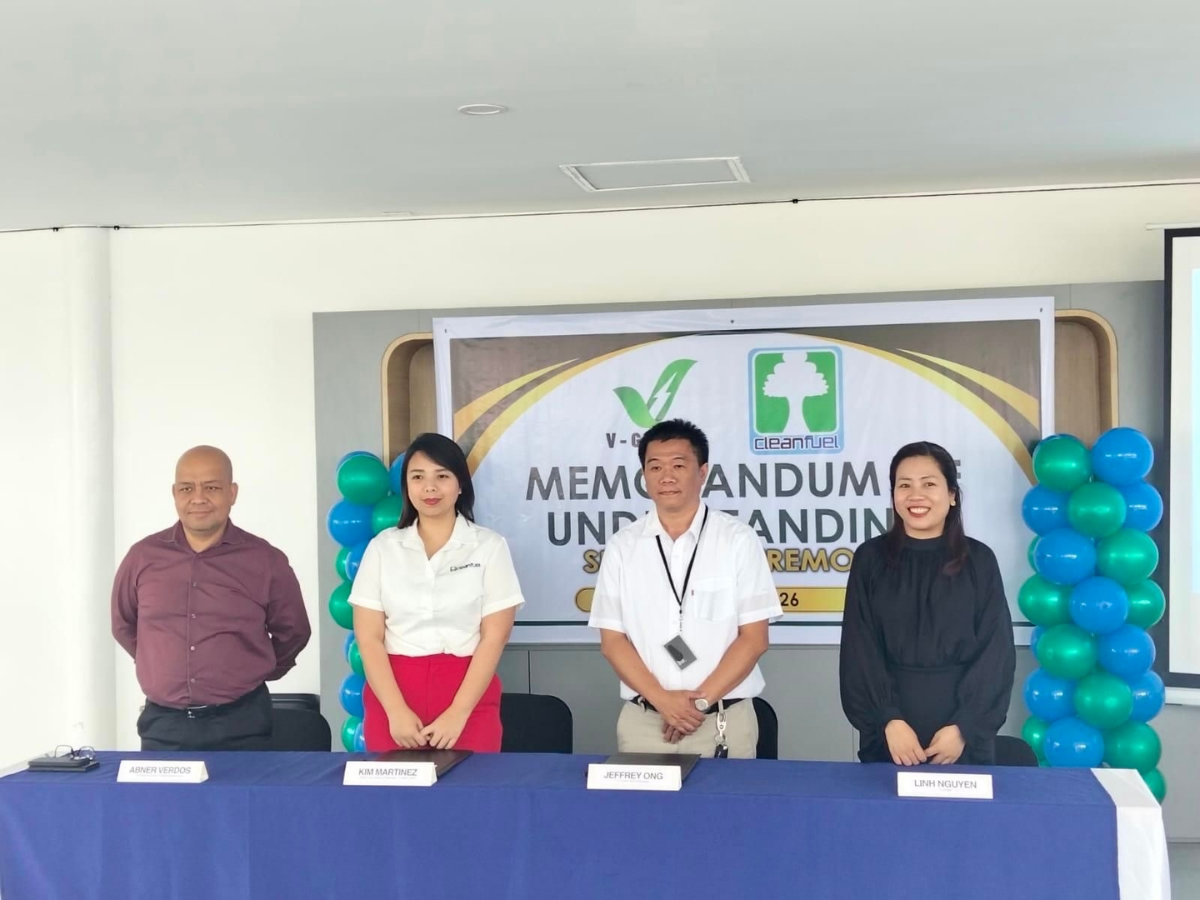
V-Green also signed an agreement with Clean Fuel to study the rollout of EV charging stations in high-traffic fuel stations in Dasmariñas, Cavite. Clean Fuel currently operates more than 100 stations across Luzon. According to V-Green, integrating charging stations into existing fuel stations could make EV charging more convenient for motorists by allowing them to charge vehicles during routine stops.
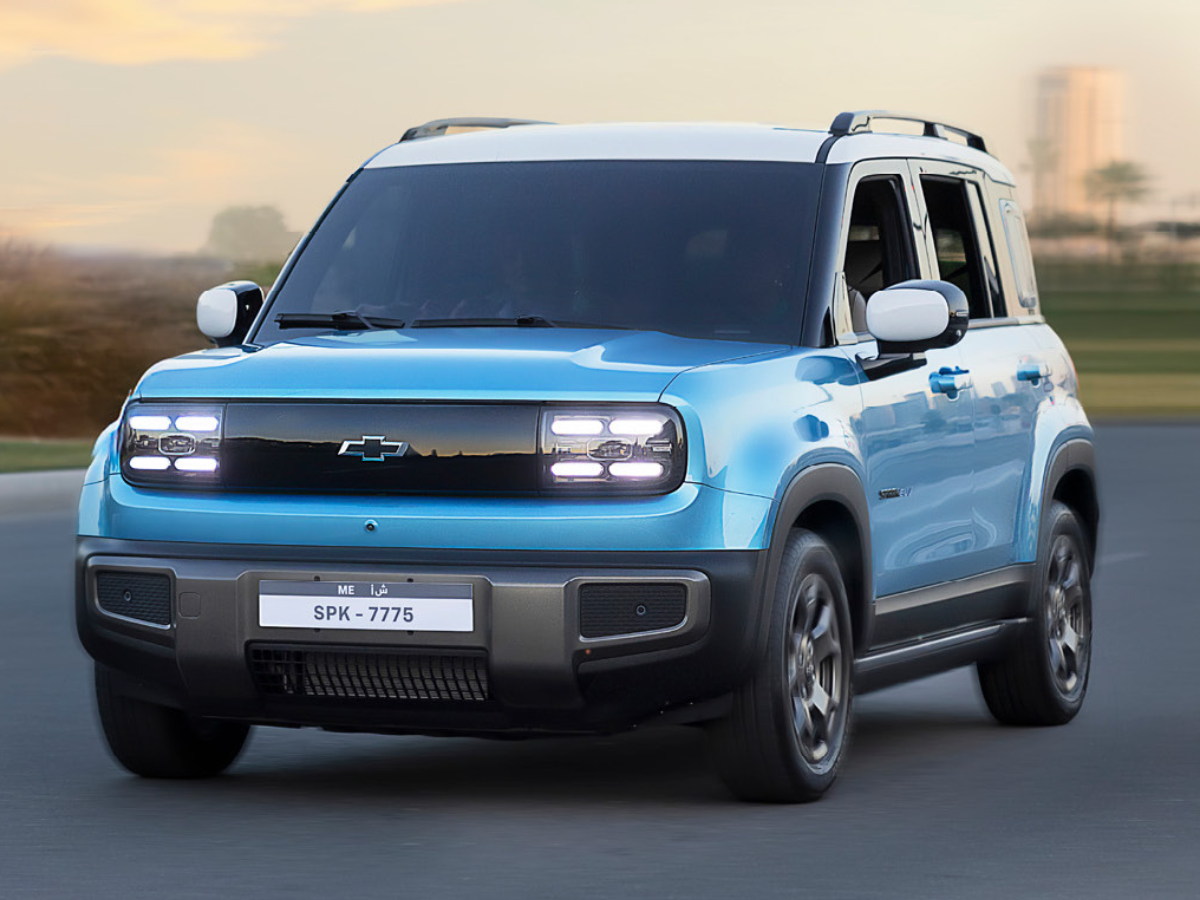
The company said the agreements also support the planned Philippine launch of VinFast electric scooters by helping establish battery-swapping infrastructure ahead of the rollout. Existing VinFast EV users are also expected to benefit from the wider charging network.
“This collaboration reflects our commitment to advancing sustainable mobility in our province. By working with V-GREEN, we are building the foundation for an EV ecosystem that promotes innovation, strengthens environmental responsibility, and prioritizes long-term development,” shared Hon. Jose Enrique S. Garcia III, Governor of Bataan.
The governor’s statement was followed through with a message by Nguyen Anh Quynh, Global CEO of V-Green. The executive went on to say, ”“Expanding EV infrastructure requires both scale and accessibility. Through our partnerships with government and private sector stakeholders, we are building a charging network that supports real-world usage and makes electric mobility more practical for Filipino drivers.”
Autocar’s Take
V-Green’s partnerships show that the Philippine EV conversation is finally moving beyond vehicle launches and into the harder part: infrastructure. While electric cars and scooters continue attracting attention, widespread adoption will remain difficult without reliable charging and battery swapping networks, and V-Green’s initiatives address the concern.
That is what makes this development significant. Bataan’s province-wide approach also stands out because it treats EV infrastructure as a long-term investment, instead of a pilot project. Clean Fuel’s involvement is equally important, as traditional fuel stations could become familiar transition points for hesitant motorists. If these plans materialize as promised, EV ownership in the Philippines could become more practical.