
Toyota Motor Philippines Corporation, together with Toyota Motor Philippines (TMP), is stepping up its push toward sustainable mobility. This time, the Japanese company is aiming to strengthen the country’s readiness to handle end-of-life electrified vehicles (EV) or electrified vehicles that have reached the end of their usable life on the road and are due for disposal or recycling.
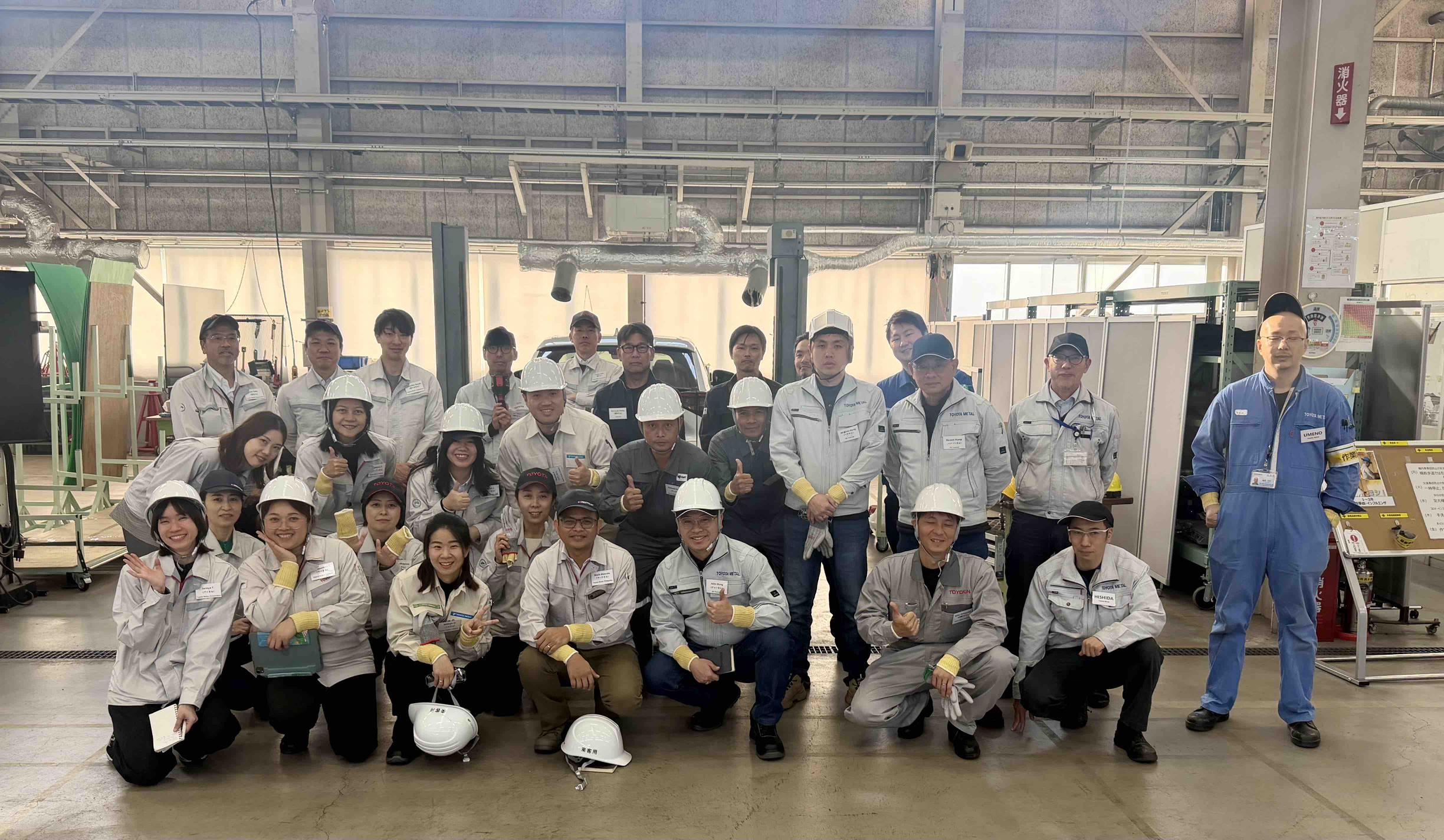
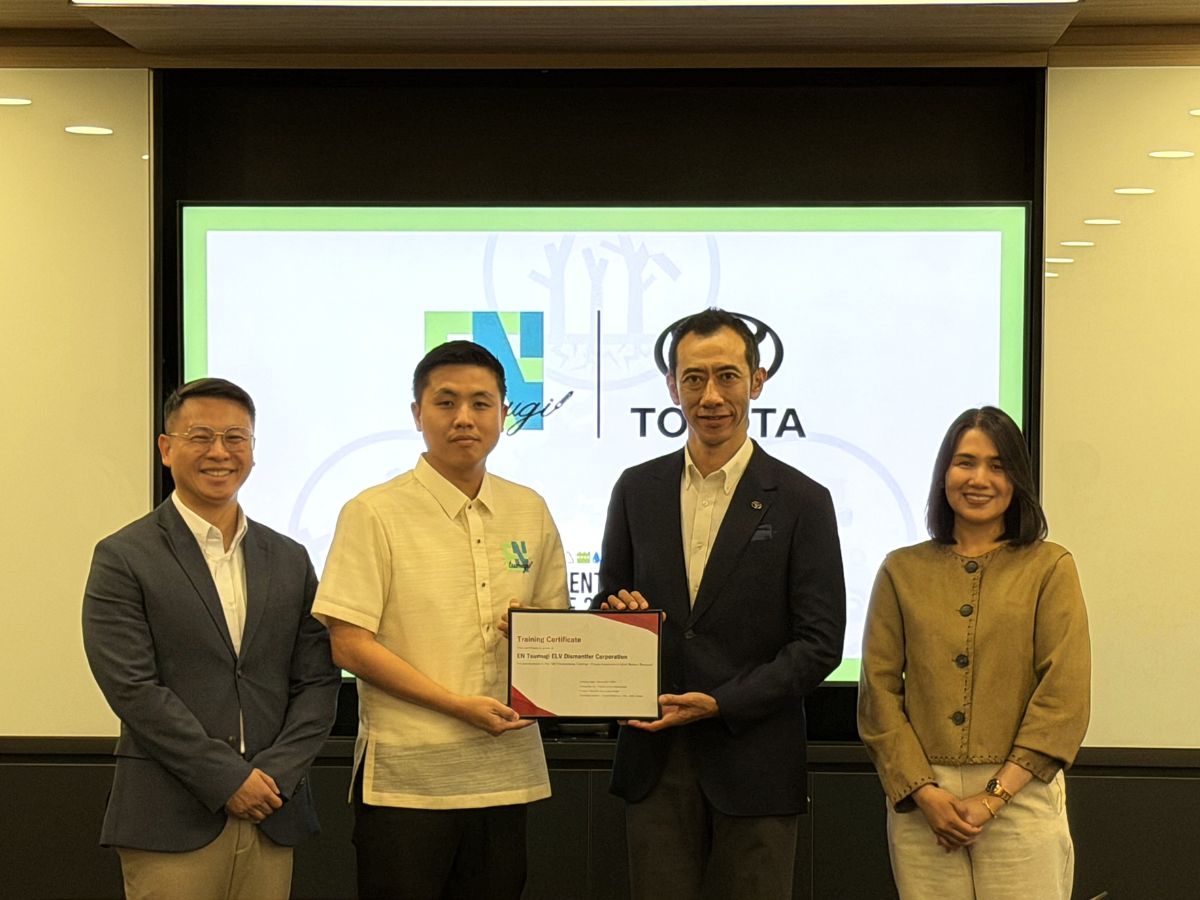
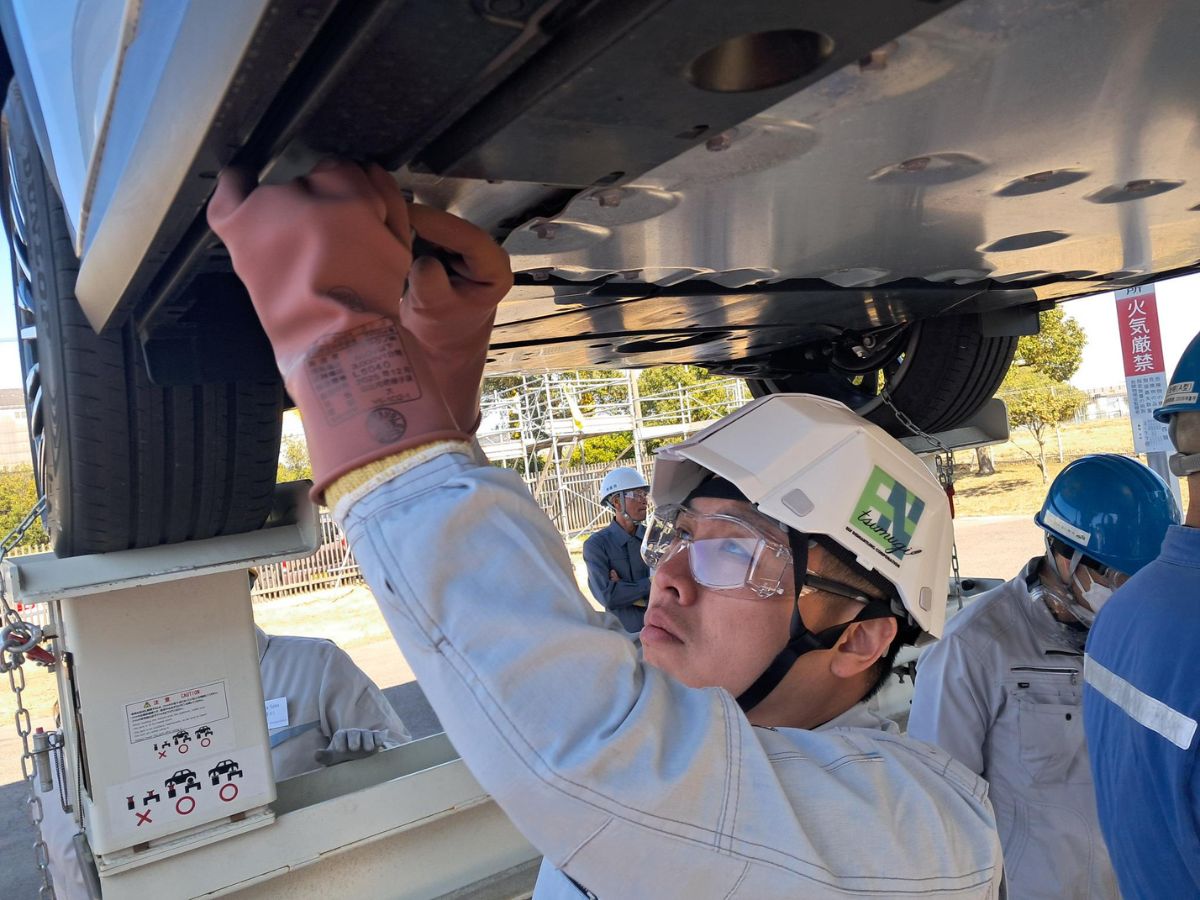
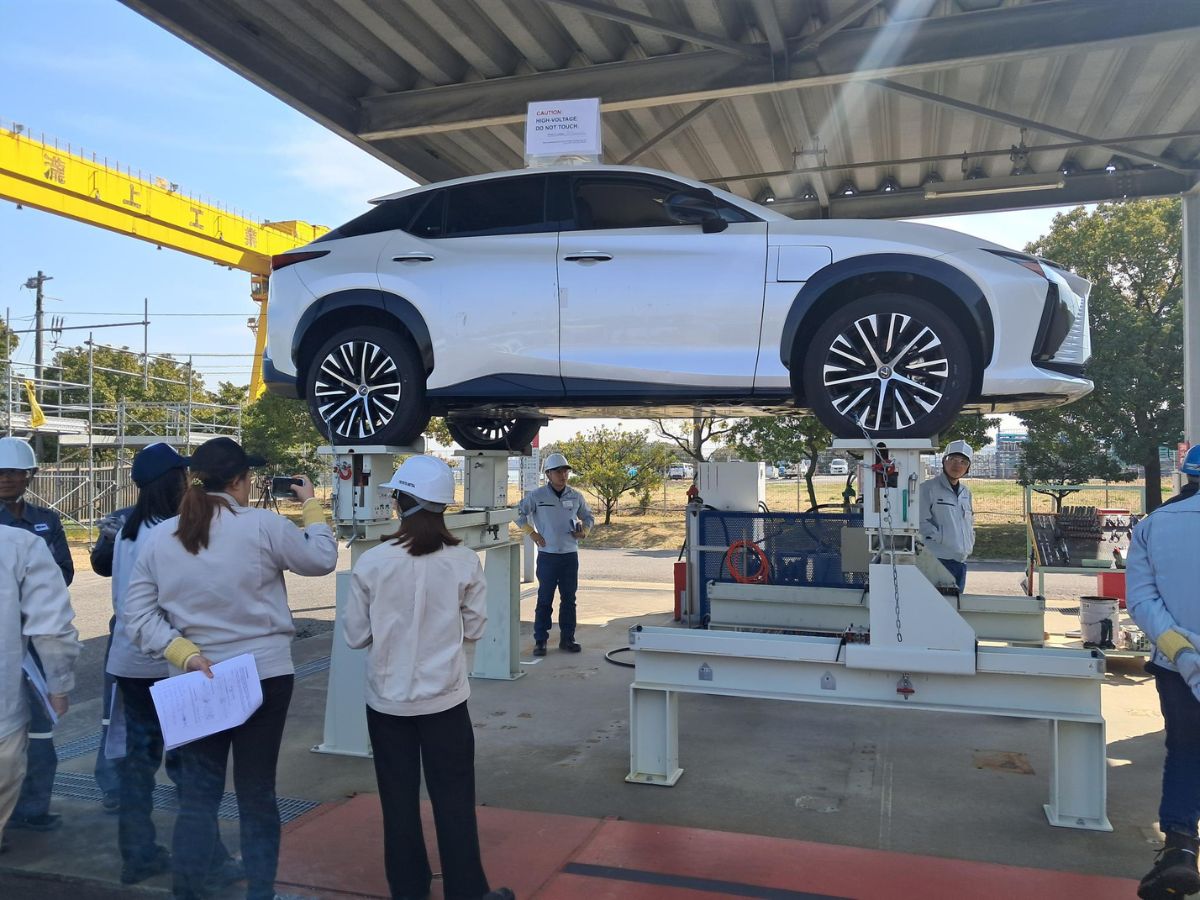
In detail, Toyota recently supported a specialized training program for En Tsumugi ELV Dismantler Corporation, a Pampanga-based facility recognized as one of the country’s model end-of-life vehicle (ELV) dismantlers. The training focused on the safe handling and dismantling of batteries used in electrified vehicles. It was held on March 17–18, 2026 in Aichi, Japan.
Led by Toyota Motor Corporation and Toyota Metal Co., Ltd., the program brought together participants from the Philippines and Thailand. It covered key areas such as battery dismantling procedures, proper storage, safety protocols, and emergency response measures. Discussions also touched on recycling systems, material recovery, and the long-term challenges and opportunities in battery reuse.
The initiative is part of Toyota’s Global 100 Dismantlers Project, a worldwide network of facilities capable of responsibly recycling vehicles at the end of their lifecycle. For Toyota, the goal is not just to sell electrified vehicles, but to ensure that systems are in place to manage them sustainably from production to disposal.
En Tsumugi, recognized by Toyota in 2024, is the first facility of its kind in the Philippines to meet the brand’s global dismantling standards. It is also among a growing number of Toyota-endorsed dismantlers across the ASEAN region. Another local player, Standard Insurance Co., Inc., operates a similar facility in Cavite, primarily handling vehicles within its insured portfolio.
The timing of the training program is notable. Data from Chamber of Automotive Manufacturers of the Philippines (CAMPI) shows that EVs and hybrids accounted for 11.2% of the market in the first quarter of 2026, with sales reaching 11,800 units. Toyota and Lexus alone contributed over 5,200 units during the same period.
Autocar’s Take
While electrification is on the rise, what often gets overlooked or overshadowed by all the new models being glamorously introduced is the “afterlife” of these vehicles — the reality that even these vehicles or the technology in them are temporary and disposable. Battery tech may grab headlines, but battery disposal is the fine print that carries long-term consequences. Toyota’s move to train local dismantlers shifts attention to that missing piece.
It puts into conversation a more grounded concept, one that treats sustainability as a full-cycle responsibility, from manufacturing to disposal. The real test for the industry won’t just be how many EVs it can roll out, but how responsibly it can retire them. Toyota’s initiative doesn’t solve everything, but it does show where the conversation needs to go next.