
There was a time when the Manila International Auto Show meant something very specific—not just to car buyers, but to those tasked to tell the story behind the sheet metal.
When it first opened its doors 21 years ago, MIAS was, above all, a launchpad. Not just for cars, but for narratives. Manufacturers didn’t simply roll out vehicles; they staged introductions. There was intent behind every reveal, every lighting cue, every carefully timed curtain drop. And the media? We were part of that choreography.
We were given access. Space. Time.
There were designated press boxes—simple, functional, but crucial. You had a clear line of sight. You could frame your shot without someone’s phone blocking your lens. You could listen to the presentation without fighting through a wall of ambient noise. More importantly, you could work.
Because that’s what it was: work.
Covering an auto show was never about being present—it was about producing. Filing copy, editing photos, uploading videos, making deadlines. The access given to media wasn’t privilege. It was infrastructure.
That infrastructure is gone.
Somewhere along the way, MIAS stopped being a media-first launch platform and became something else entirely. Today, it is—by all observable measures—a selling event. And there’s nothing inherently wrong with that.
In fact, it makes sense.
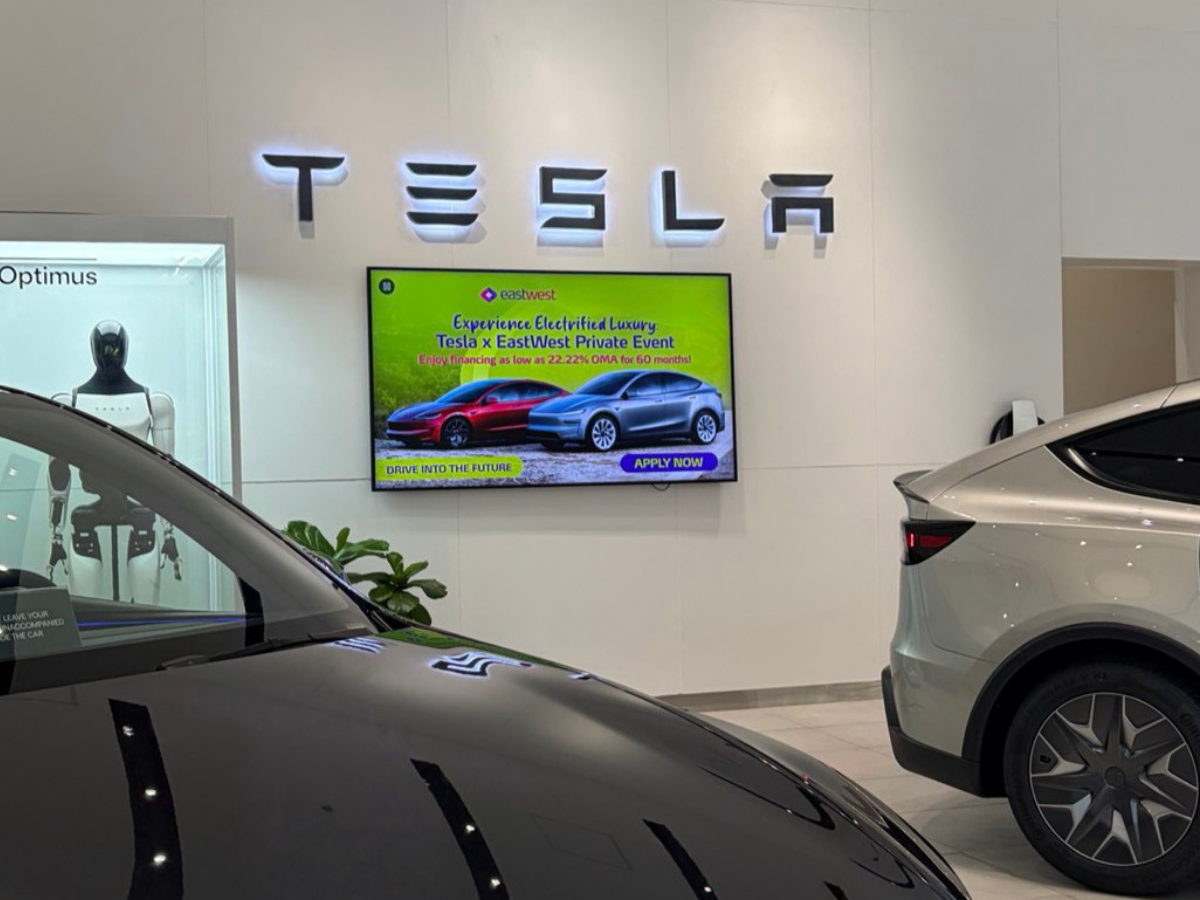
The growing presence of Chinese brands has shifted the dynamics of the show. They arrive not just with products, but with volume, urgency, and a clear intent to move units. The model now resembles what you see at the Bangkok International Motor Show—a marketplace as much as a showcase.
Foot traffic matters. Leads matter. Conversions matter.
And to MIAS’ credit, the halls are full.
But here’s the disconnect: the structure hasn’t caught up with the shift.
In Bangkok, the industry understood this transition early. The solution was simple—segment the experience. Media gets its own day. A controlled environment. Time to document, to ask questions, to produce meaningful coverage. Then the doors open to the public.
Everyone wins.
Here, we try to do everything at once.
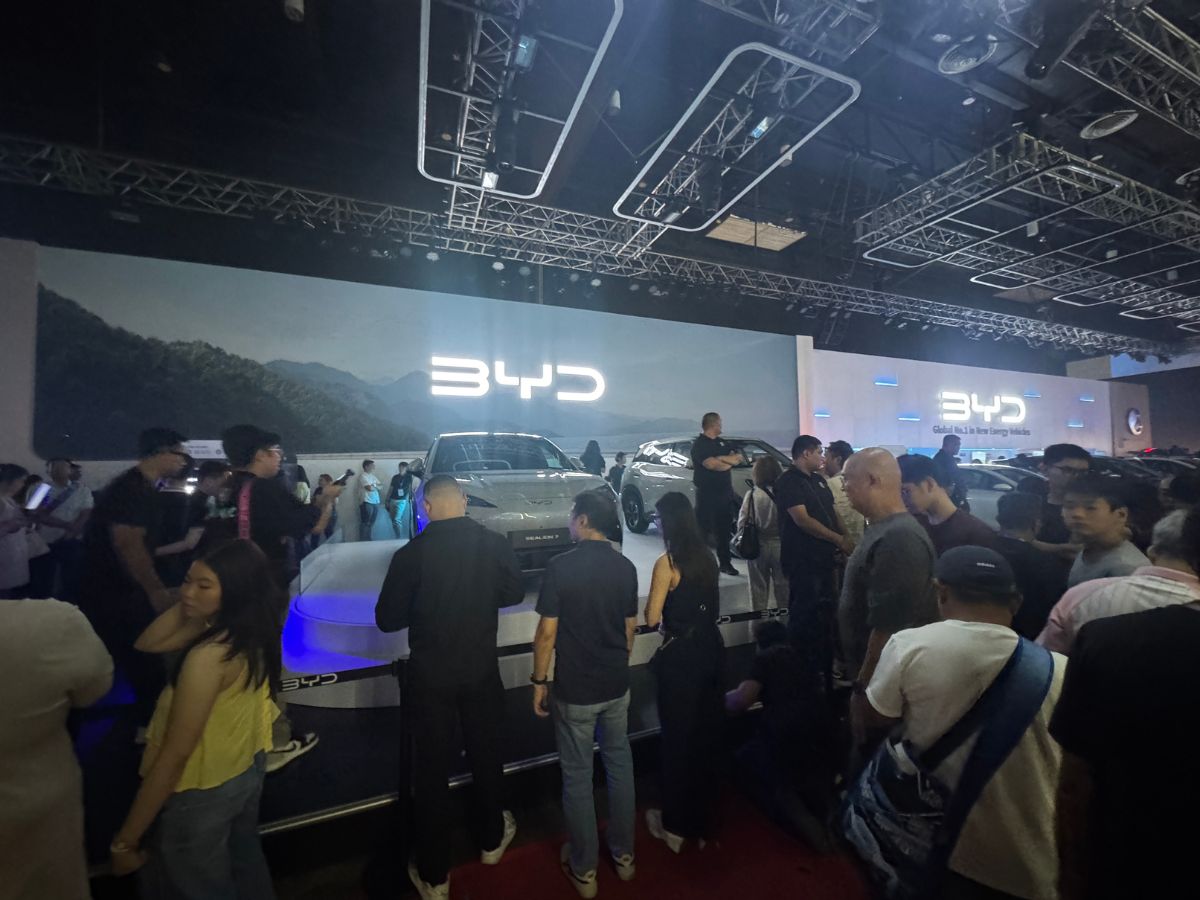
Manufacturers schedule back-to-back launches—sometimes as many as 25 in a single day—while the public is already inside the venue. The result is predictable. Crowded aisles. Blocked sightlines. Overlapping audio. A scramble for position that turns coverage into compromise.
You miss details. You skip launches. You choose what to cover not based on relevance, but on survivability.
And by mid-afternoon, you’re no longer working—you’re managing fatigue.
This isn’t about entitlement. It’s about output.
Because when coverage suffers, so does the value manufacturers supposedly seek. The very reason they invite media—to amplify their message—gets diluted in the process.
We’ve raised this before. Repeatedly. Quietly. Directly.
Nothing changes.
So maybe it’s time to call it what it is.
MIAS has evolved. It is no longer the show it once was. It has become a retail-driven event, and a successful one at that. Manufacturers are selling. Buyers are showing up. The floor is active. The business case is working.
But if that’s the direction, then the approach to media needs to evolve as well.
Because right now, it sits in an awkward middle ground—where media is invited, but not enabled.
If the priority is selling, then commit to it fully. Open the doors, maximize traffic, let the transactions happen. But don’t expect structured coverage from an environment that makes it nearly impossible to produce it.
Or take the other route. Fix the system. Create space. Give media what it needs to do the job properly.
There is also a third option—one that may be more honest.
If MIAS is now primarily a selling platform, then perhaps next year, there’s no need to stage “media launches” at all. Provide complete press kits. High-resolution photos. Official videos. Technical data. Let publications run the material as intended.
Clean. Accurate. Controlled.
At least that way, the message gets through.
Because what’s happening now isn’t coverage.
It’s survival.