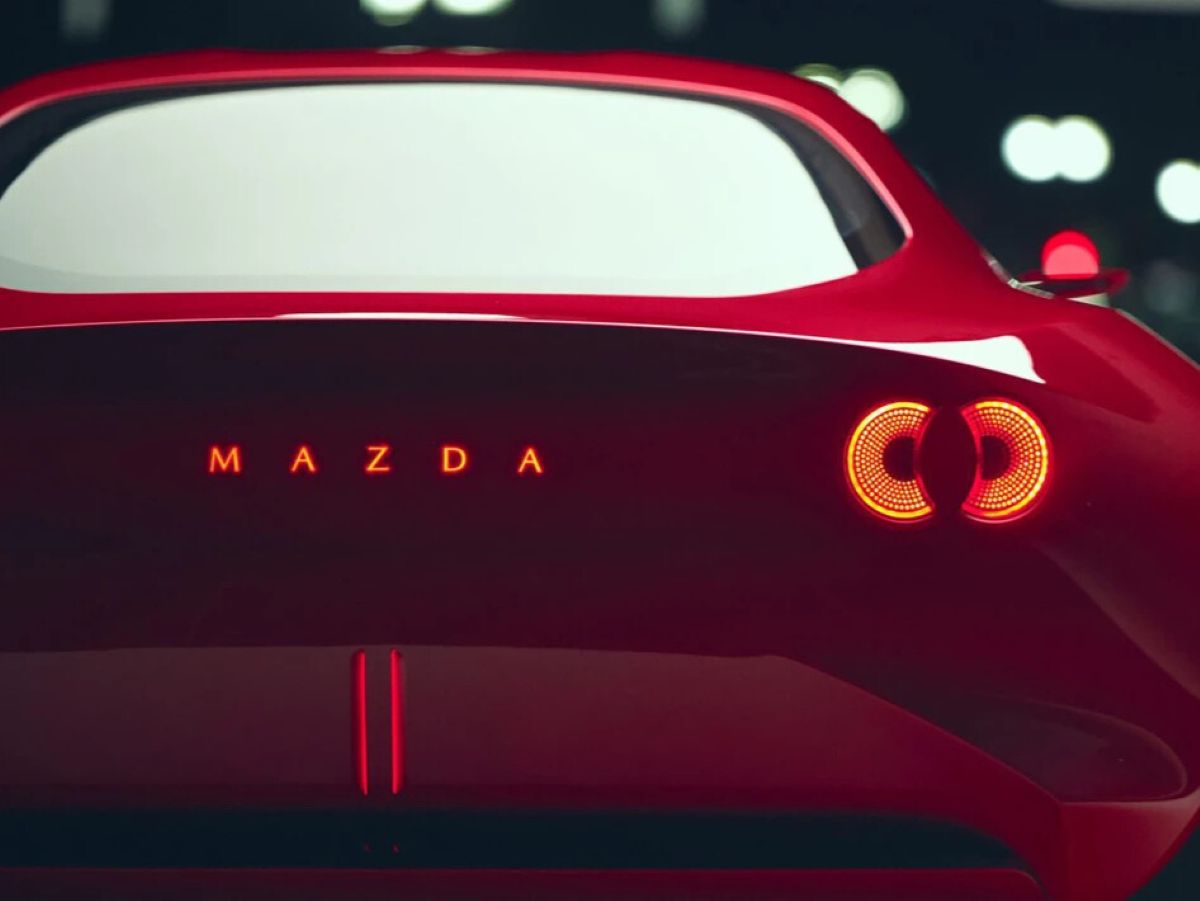

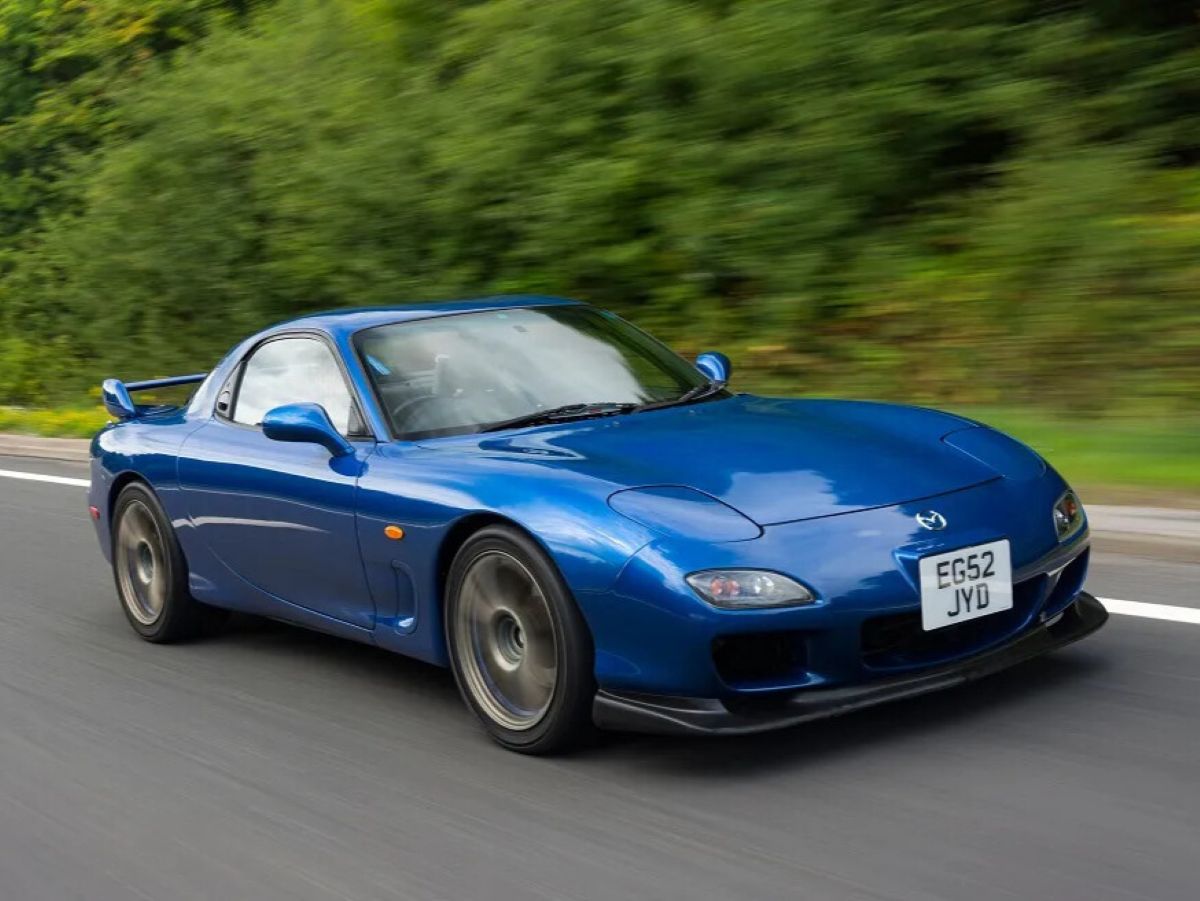
Remember the rotary engine? Sometimes called the “Wankel” after its inventor, or the “Dorito” after the shape of the rotors that it used to make power. Most importantly, it was Mazda’s flagship engine that defined the brand’s identity for a little under half a century. Found powering pioneers of the motor like the Cosmos using two rotors, tuner icons like both the FC and FD RX-7 with the 13B as the heart, and even motorsports legends like the 787B with the four-rotor R26B that has a screech that can only rival early 2000s V10 F1 cars.
Although the rotary was a mechanical marvel, factors such as emissions and fuel economy ultimately killed it. In the form of the RX-8, Mazda gave the engine its final hurrah, with the last unit rolling off the line in June 2012.
However, after a decade-long absence, the Fuchū outfit showed enthusiasts a glimmer of hope at the 2023 Japan Mobility Show with the Iconic SP, a two-seater sports car powered by a rotary-hybrid system designed for the age of sustainable fuels.
While Mazda has remained quiet since the reveal, the “intent” is getting louder. General Manager Masashi Nakayama recently confirmed to Auto Express that the car is being designed with “real intent” for production. Product planning supervisor Moritz Oswald chimed in, noting that while the MX-5 remains the brand’s halo car, there is clearly room for something “next to it or above.”
“The amount of car enthusiasts in this company is insane,” and “everybody loves cars, so of course, there is a deep desire to keep on launching emotional products. So are we looking into that? Yes, of course. But again, we are also a company that has to bring in revenues.” Before also making mention that the reason why these concepts exist is to test the waters and see if the people share the same sentiment.
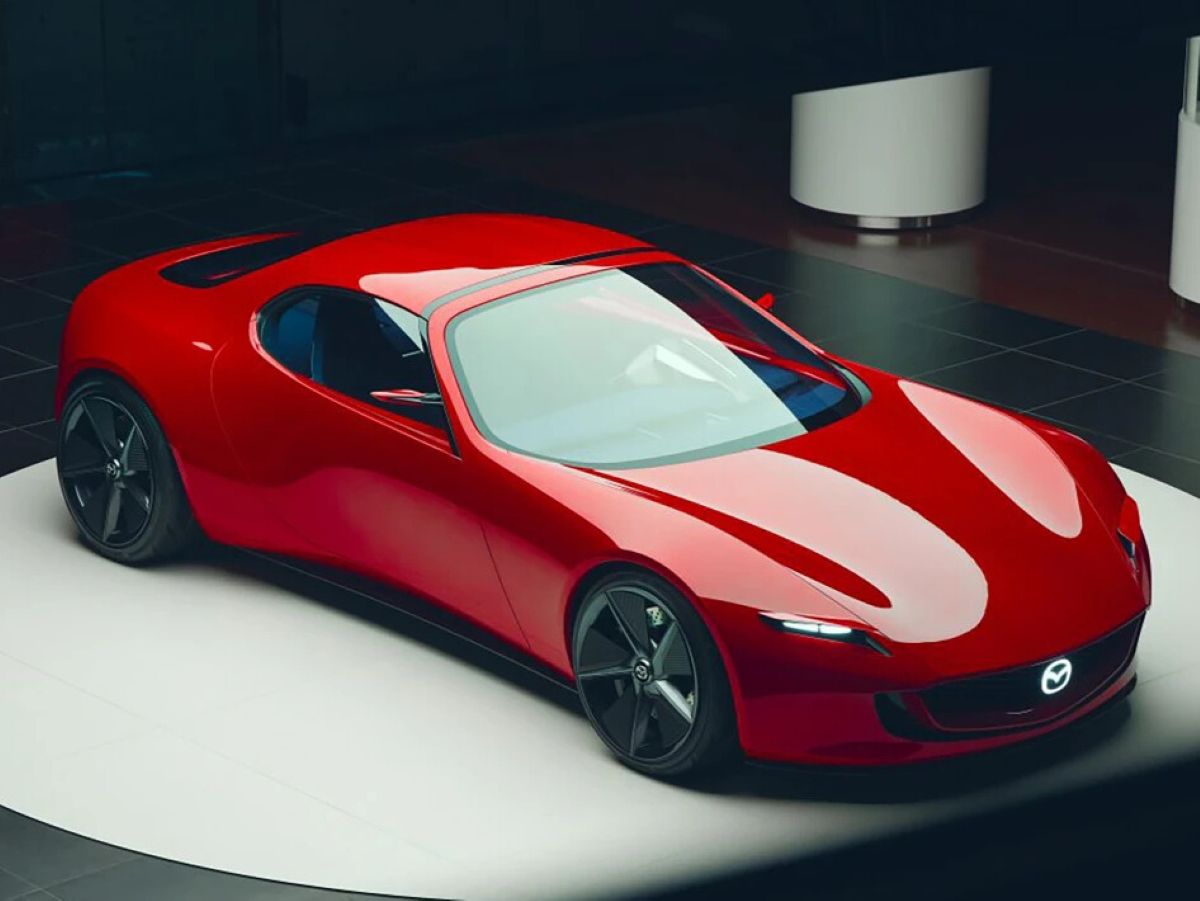
The hurdles? R&D manager Christian Schultze, while as optimistic as Oswald, points out where the brand currently stands in the market, saying, “one thing you must understand, Mazda stands for cars for ordinary people,” and “people have a specific design and expectations for our cars, so making a sports car that is for everybody is a real challenge.” While also expressing the sentiment that building a $100,000 supercar is easy, making a credible sports car that is accessible to the masses is the real “final boss” for this project.
Hurdles aside, the burning question still remains: “Will this be powered by a rotary?” Well, yes, but not in the way you’d think, with Mazda CEO Masahiro Moro saying, “We are determined in the age of electrification to keep the joy of driving which the MX-5 represents alive, and the Mazda Iconic SP, with its dual rotary power generator EV powertrain, is our dream solution.”
Although unlike a traditional hybrid where the engine and motors fight for control of the wheels, the Iconic SP uses a ‘Series’ setup, think of it like what Scout is currently doing with its EV trucks and SUVs, or BMW with the i3. The dual-rotor engine serves solely as a portable power station, enabling the electric motors to deliver the instant torque rotaries are known to lack, while keeping the engine in its most efficient RPM range.
By keeping the rotary in its most efficient RPM “sweet spot” for electricity generation, Mazda addresses the rotary’s historic fuel thirst while maintaining its signature compact footprint. This allows for a 50:50 weight distribution and a total weight of just 1,450 kg, making it a lightweight scalpel compared to the 1,725 kg BMW M2, even if it’s heavier than the original RX-7 by a little over 100 kg.
Considering the cult status the RX-7 reached alongside the Skyline and Supra, this model might just be the breath of life the rotary has needed since 2012. If it ever hits Philippine shores, rest assured the local tuner community will be ready with a very warm, very loud “brappy” welcome.