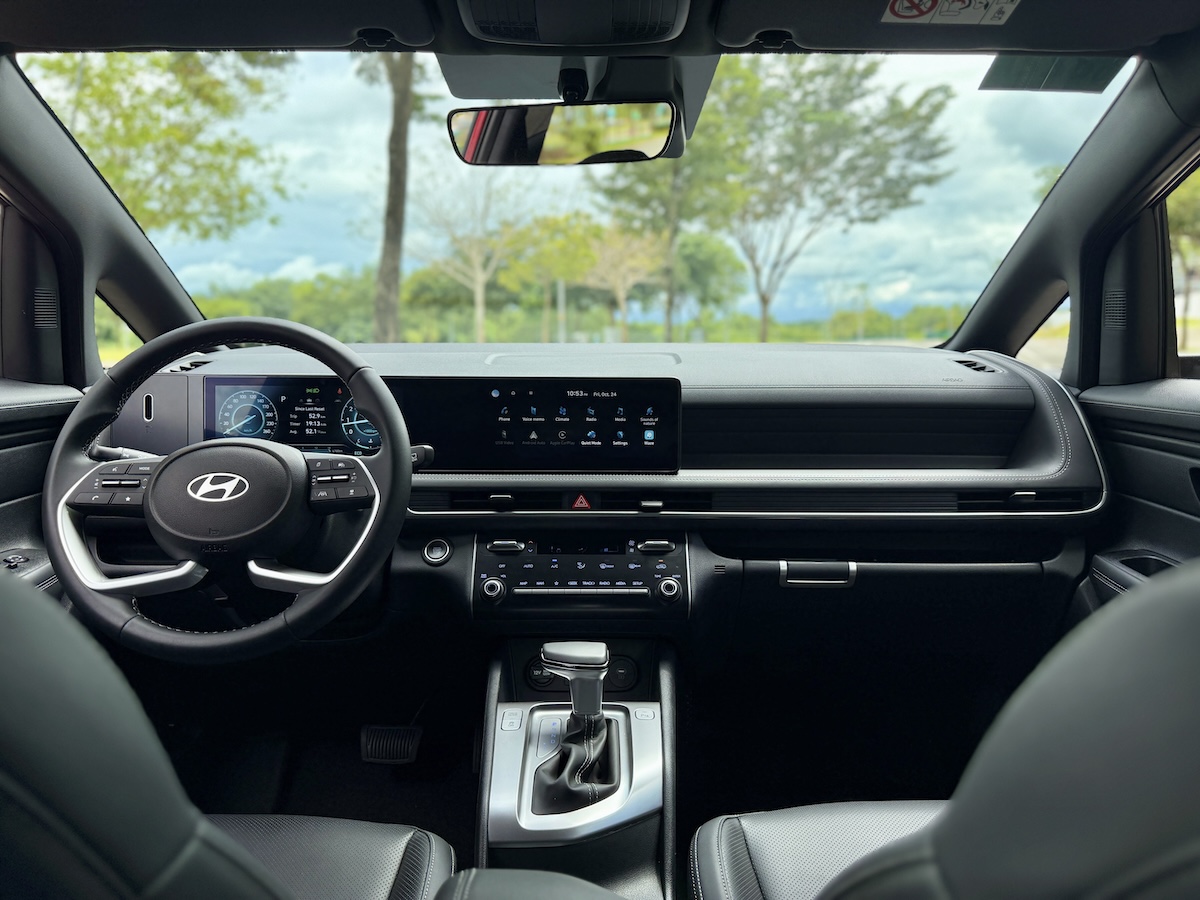


Automatic climate control has become a standard feature in many modern vehicles, offering a level of comfort and convenience beyond traditional manual air-conditioning systems. While it may seem like a simple upgrade at first glance, it’s backed by precise sensors, coordinated electronics, and multi-zone configurations that better tailor cabin temperature.
Automatic climate control explained
The system maintains a set cabin temperature without requiring constant driver adjustments. Instead of manually selecting blower speeds or switching between hot and cold air, the driver simply selects a preferred temperature. The automatic climate control then uses sensors to monitor cabin conditions and compare them with the set temperature. It automatically regulates blower speed, air mix, fan direction, and even recirculation modes to efficiently maintain comfort levels. This continuous fine-tuning results in a more stable cabin environment, especially during long drives or when the weather is fluctuating.

The advancements in automatic climate control
Over the years, the automatic climate control system has undergone some technological advancements. Today, many cars have dual-zone automatic climate controls. This enhances convenience by providing separate temperature settings for the driver and the front passenger. Each side receives individually controlled airflow, allowing both occupants to enjoy their preferred air-conditioning level without compromise. This is useful for long trips where comfort discrepancies can cause fatigue or distraction.
Triple-zone systems take flexibility even further by adding independent controls for the rear cabin. Families of groups benefit most from this layout, as rear passengers can set their own cabin temperature without affecting those at the front. Premium vehicles often implement triple-zone automatic climate controls with additional vents, stronger rear blowers, and more sophisticated sensors to ensure uniform comfort.


Is it a must-have feature or just a fancy gimmick?
With the technology behind the system and the benefits it offers for optimal cabin comfort, one question still remains: do people really need it? For many drivers, the answer depends on priorities. Those who value convenience, consistent comfort, and reduced distraction will find it worthwhile. Automatic systems minimize the need to adjust knobs and buttons while driving, helping maintain focus on the road. Automatic climate control systems are also more energy-efficient in many cases, as they run only what’s required to reach and maintain the chosen temperature.
On the flip side, drivers who prefer simple controls or primarily use their vehicles for short trips may not feel a strong need for it. To them, manual air conditioning still cools or heats the cabin just as effectively, but it requires more hands-on operation. Moreover, for some buyers, cost differences between vehicles with and without automatic climate control may also influence purchasing decisions.
Thoughts to ponder
In practice, especially in regions such as the Philippines, where heat, humidity, and extreme weather conditions are strongly felt most of the year, the automatic climate control has proved to be more than just a luxury feature. It offers measurable comfort advantages, reduces driver workload, and adapts more precisely to weather and cabin conditions. Whether in single, dual, or triple-zone form, it provides a more reassuring level of comfort that many will appreciate once they experience it firsthand.