

Since the advent of smart technology and connectivity, car brands have raced to install ever-bigger touch screens in their vehicles, at the expense of simplicity. While some have embraced the trend, others have concerns, most especially regarding safety, as one has to take their eyes off the road just to ensure the correct feature on the screen is pressed.
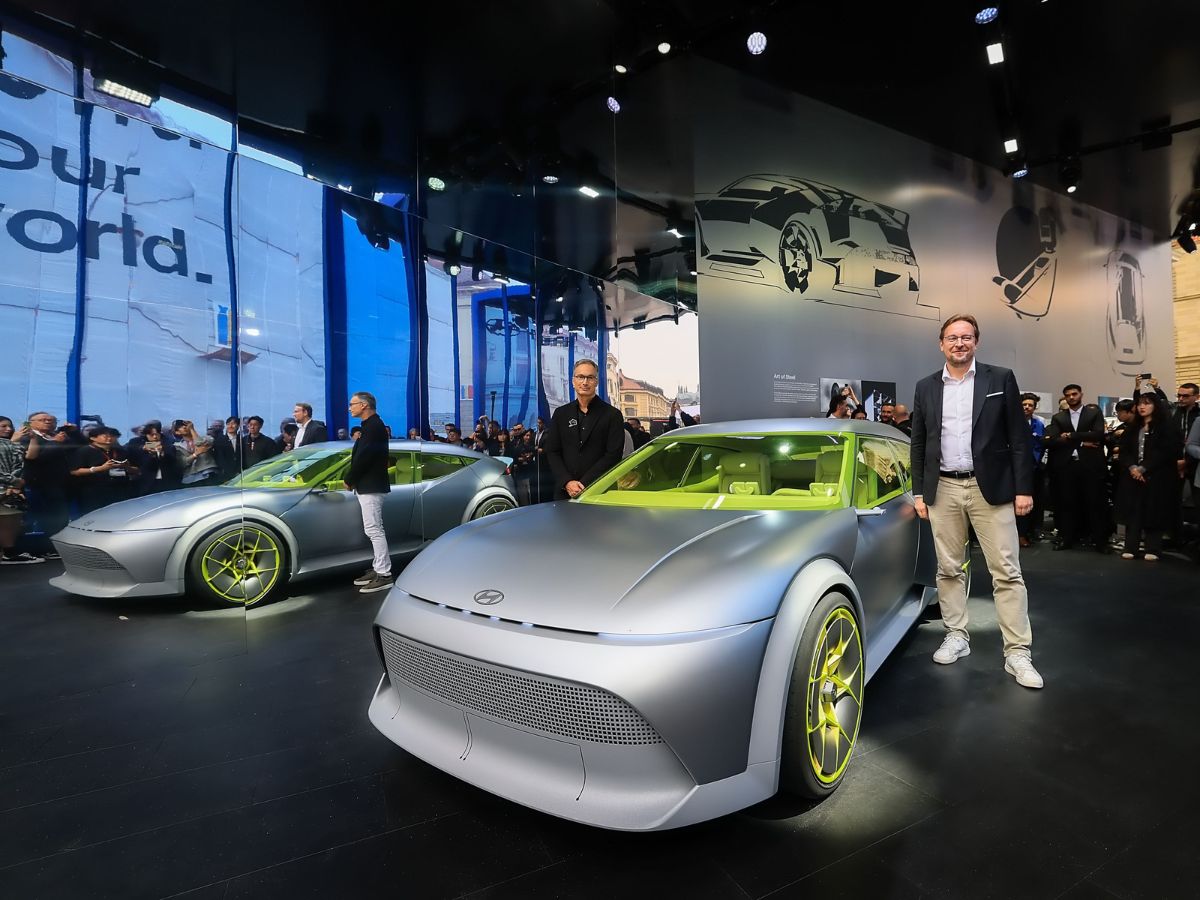
Korean carmaker, Hyundai, has observed and seen the struggles of many motorists through the years. This is the reason behind the brand’s move to take a different path in car interior design with its new Concept Three, a show car it recently presented to highlight the glimpse of its future automotive design.
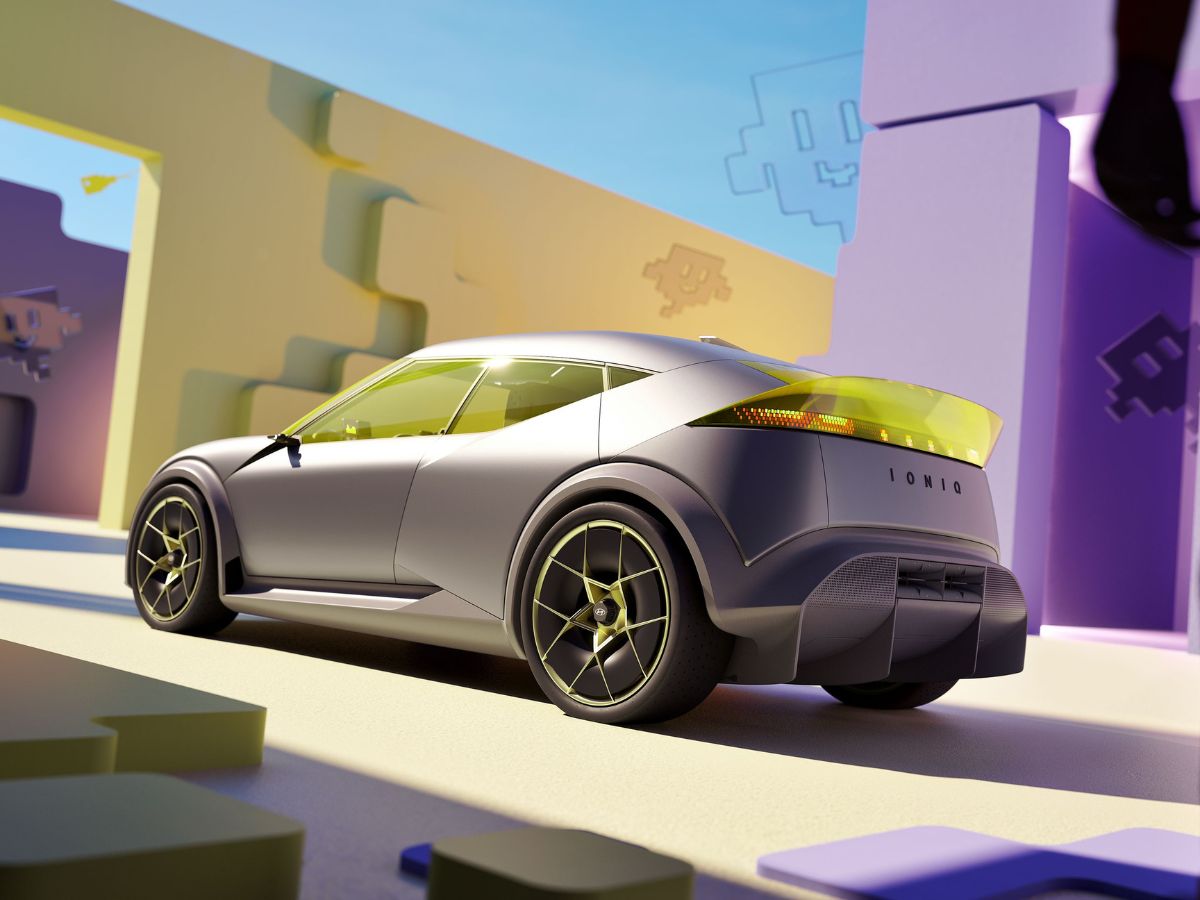
In more detail, the Hyundai Concept Three is the first compact electric vehicle (EV) concept in the Hyundai Ioniq family, signaling the brand’s entry into a new vehicle segment to complement its midsize and large Ioniq models. The Hyundai Concept Three introduces the “Aero Hatch,” a design concept that combines practicality with aerodynamic efficiency and a sporty stance, hence its hatchback appearance. The exterior reflects Hyundai’s “Art of Steel” design language, characterized by sculpted surfaces, clean intersections, and character lines. The interior, on the other hand, emphasises intuitive layout, ergonomic comfort, and personalisation.
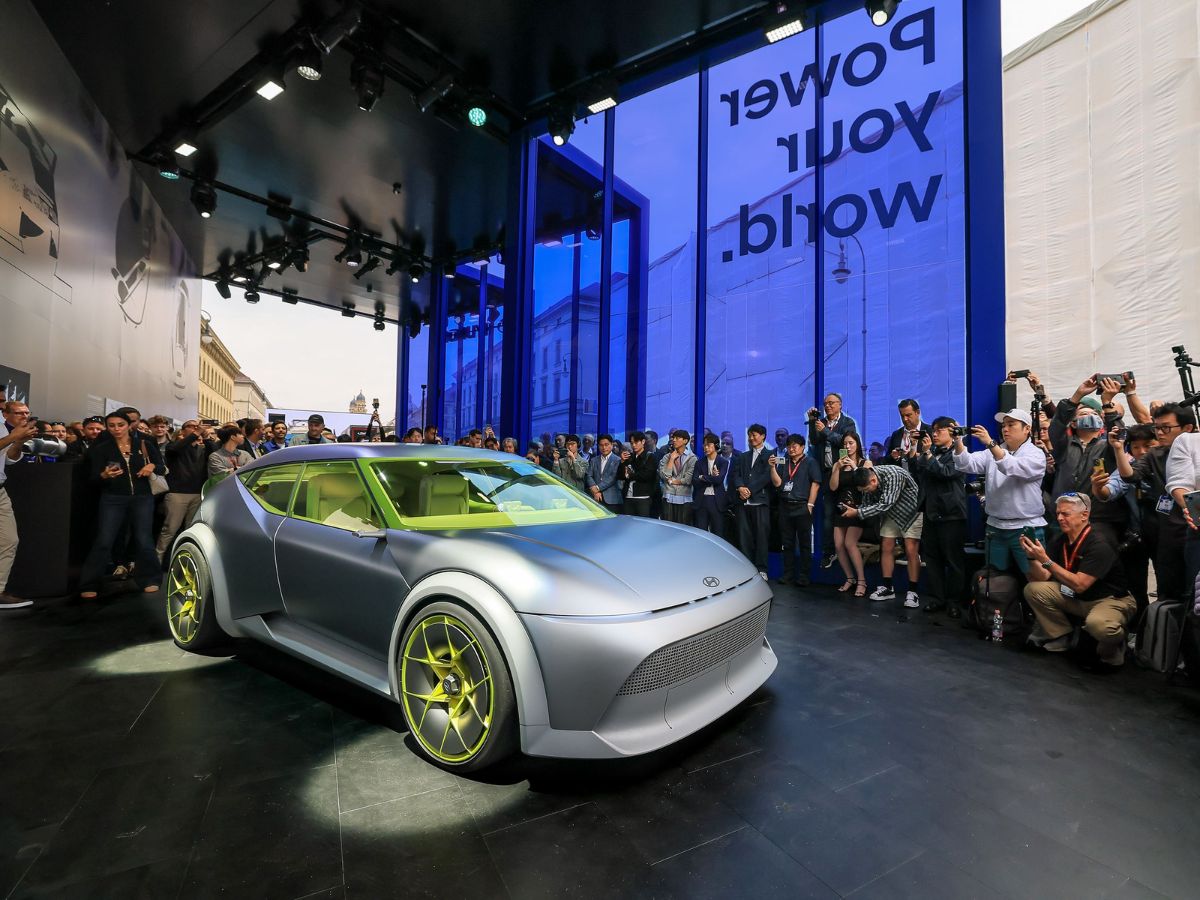
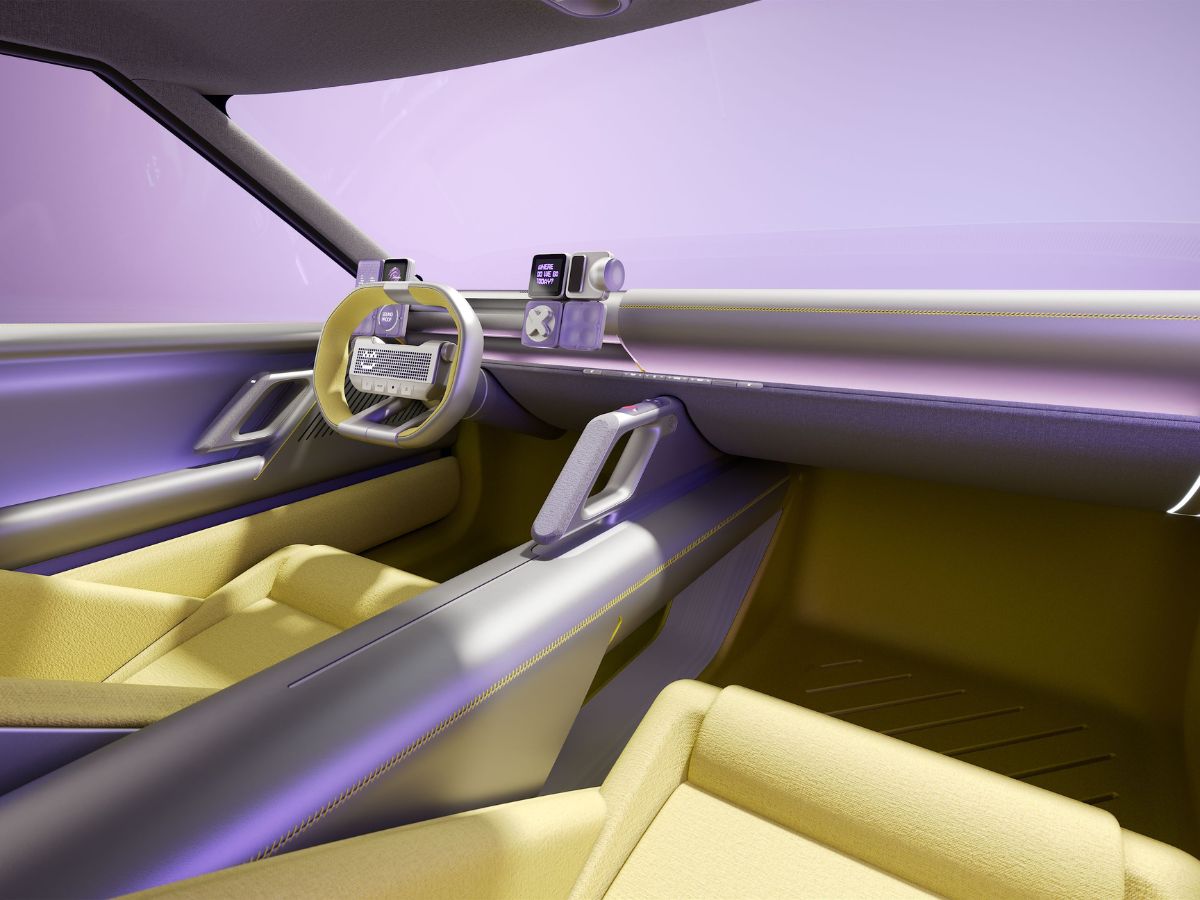
While the Hyundai Concept Three’s exterior is striking, to say the least, its interior is the true headline maker. It comes with what Hyundai refers to as “widgets.” These are customizable physical buttons that replace the central touch screen head unit. For important driver information, a display screen is placed at the base of the windshield. The display is designed in such a way that it provides information without obstructing the driver’s line of sight. This means that the driver can operate the car with full concentration on the road, instead of on the screen.
Rather than doubling down on the layers of digital menus as commonly seen in many of today’s infotainment systems, Hyundai is exploring ways to bring back direct, intuitive controls for everyday functions. The premise of the Hyundai Concept Three car interior design is simple – features such as climate control, audio volume control, and even seat adjustments shouldn’t require multiple taps on the screen. These basic features should be immediate and effortless to use.
Hyundai explained the thinking behind the project. It stressed that, too often, modern touchscreens make simple tasks more complicated than they need to be. This means that, while the Hyundai Concept Three aims to bring back physical controls on some basic and immediate in-car features, it’s also not meant to completely move away from digital technology, either. It simply raises the question of whether every function really needs to be hidden behind the screen.

If successful, this approach could mark a turning point in automotive design. Today’s dominance of giant digital touch screens may give way to tomorrow’s new standard – a blend of physical and digital interfaces, bringing back the kind of intuitive operation drivers missed so much.