
As interest in electrified vehicles (EVs) continues to grow in the Philippines, one of the most notable developments on the regulatory front is the inclusion of the Toyota RAV4 HEV on the Department of Energy’s (DOE) recognized EV list. This recognition is an important milestone for the model and offers a solid foundation for what buyers can expect when it arrives locally.
Under the DOE’s EV recognition framework, vehicles are recognized based on their powertrain and electrification technology. Hybrid electric vehicles (HEV) are defined as vehicles that combine an internal combustion engine (ICE) with a rechargeable energy storage system, and have at least one electric drive motor capable of propelling the vehicle. Additionally, HEVs are also part of the incentive structure under the Electric Vehicle Industry Development Act (EVIDA), which, among other benefits, provides exemptions from number coding under specified conditions.
The Toyota RAV4 HEV’s recognition confirms that it meets the technical criteria set by the DOE for hybrid propulsion. It’s also officially recognized as an EV under the current classification system. According to the DOE, the recognized RAV4 HEV covers model years from 2022 to present, indicating that the 2026 model is covered and is likely being prepared for local market introduction. While Toyota Motor Philippines (TMP) has not made an official announcement about it, the 2026 Toyota RAV4 HEV is out now in some regions. Going by this, here’s what to expect from it, once it lands on local shores.
At the core of the 2026 Toyota RAV4 HEV is its upgraded hybrid powertrain. It features a robust 2.5-liter 4-cylinder engine, paired with an electric motor. In the variants listed by the DOE, specifically the 2.5 ADV HEV AWD CVT and 2.5 LTD HEV AWD CVT, the hybrid powertrain is tuned to churn out approximately 236 hp of combined power, delivered through an e-CVT and all-wheel-drive configuration. The DOE also noted that the onboard battery is rated between 1.09 kWh and 1.59 KWh. This represents a notable step forward in performance compared to previous models, and aligns with the Japanese brand’s strategy to prioritize electrification across its lineup.

Moreover, its DOE-documented vehicle dimensions are approximately 4,620 mm in length, 1,880 mm in width, and 1,745 mm in height, placing it firmly in the compact SUV category. Gross weight is listed between 2,180 kg and 2,195 kg, reflecting a substantial figure consistent with a hybrid SUV of its class.
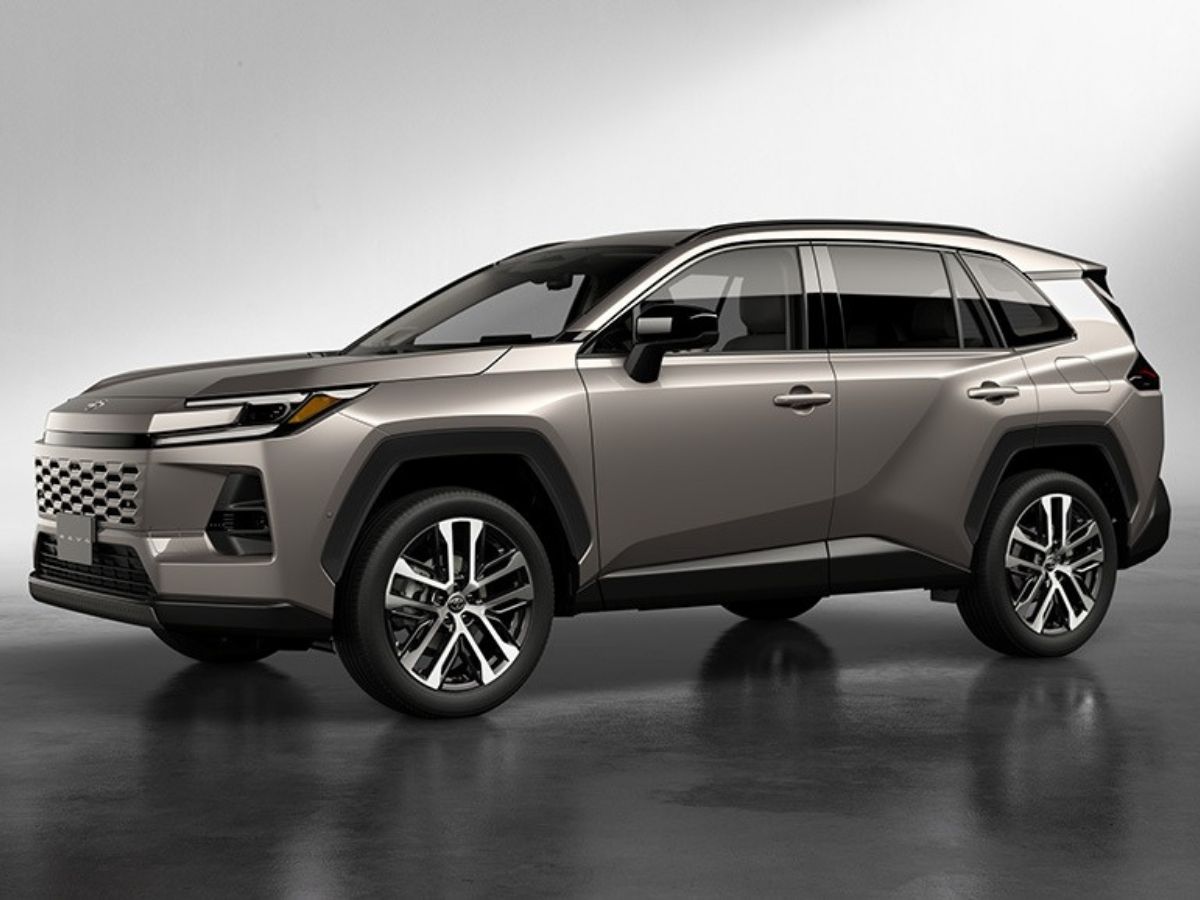
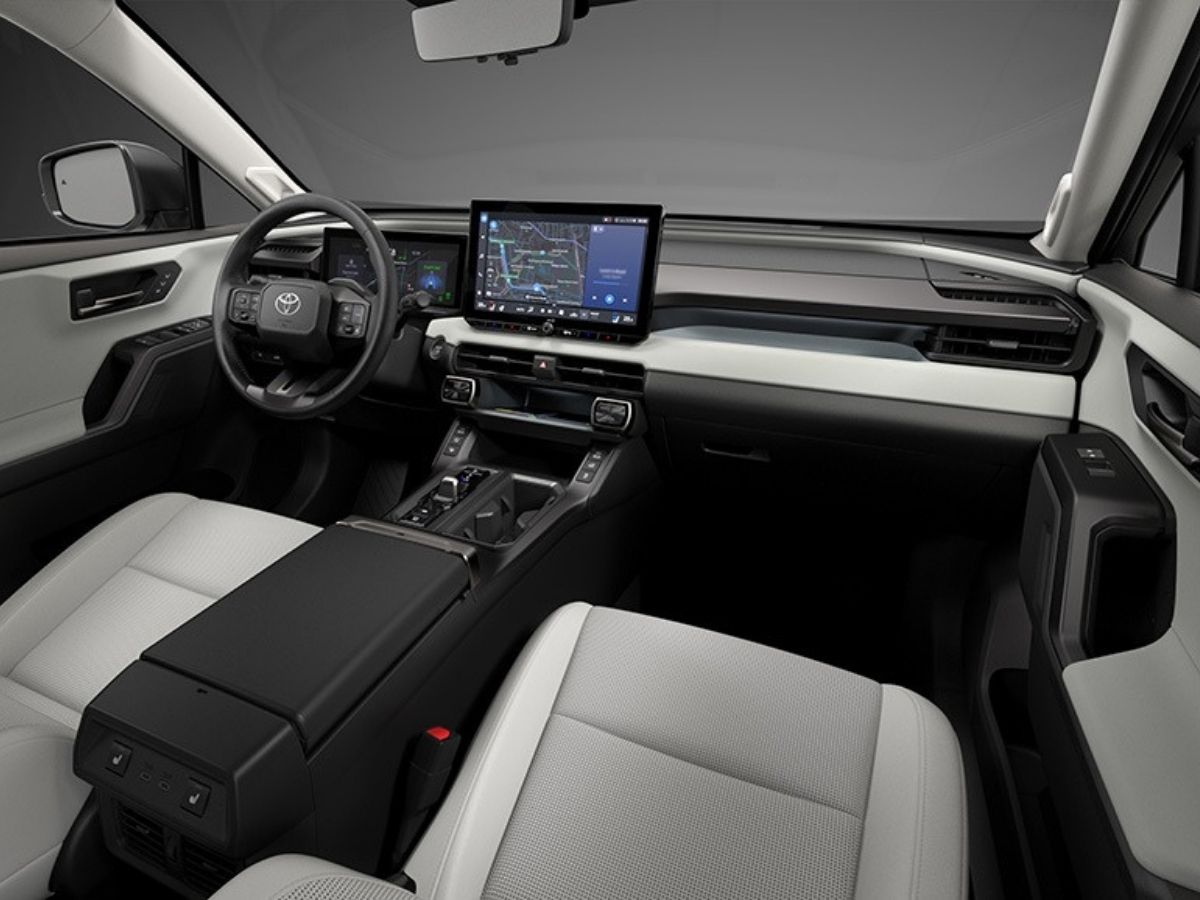
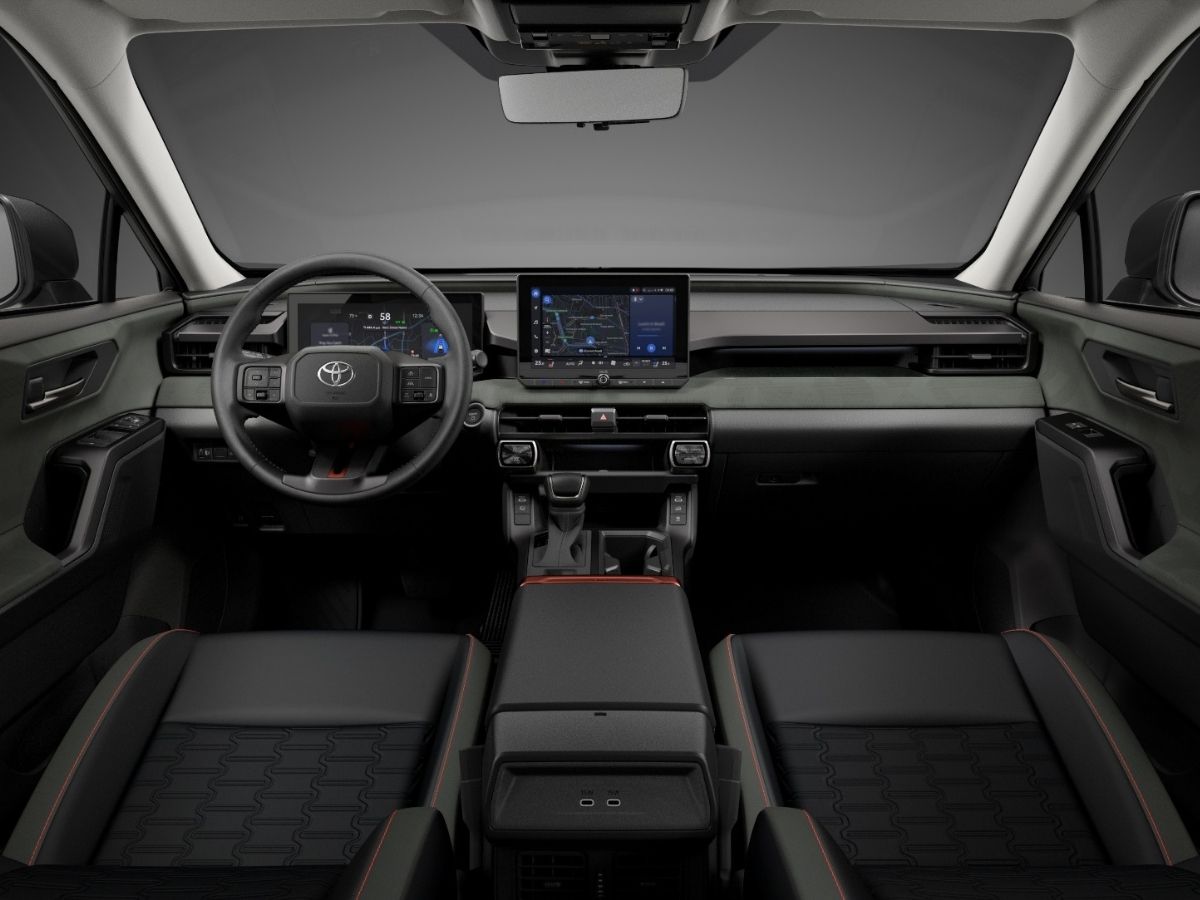
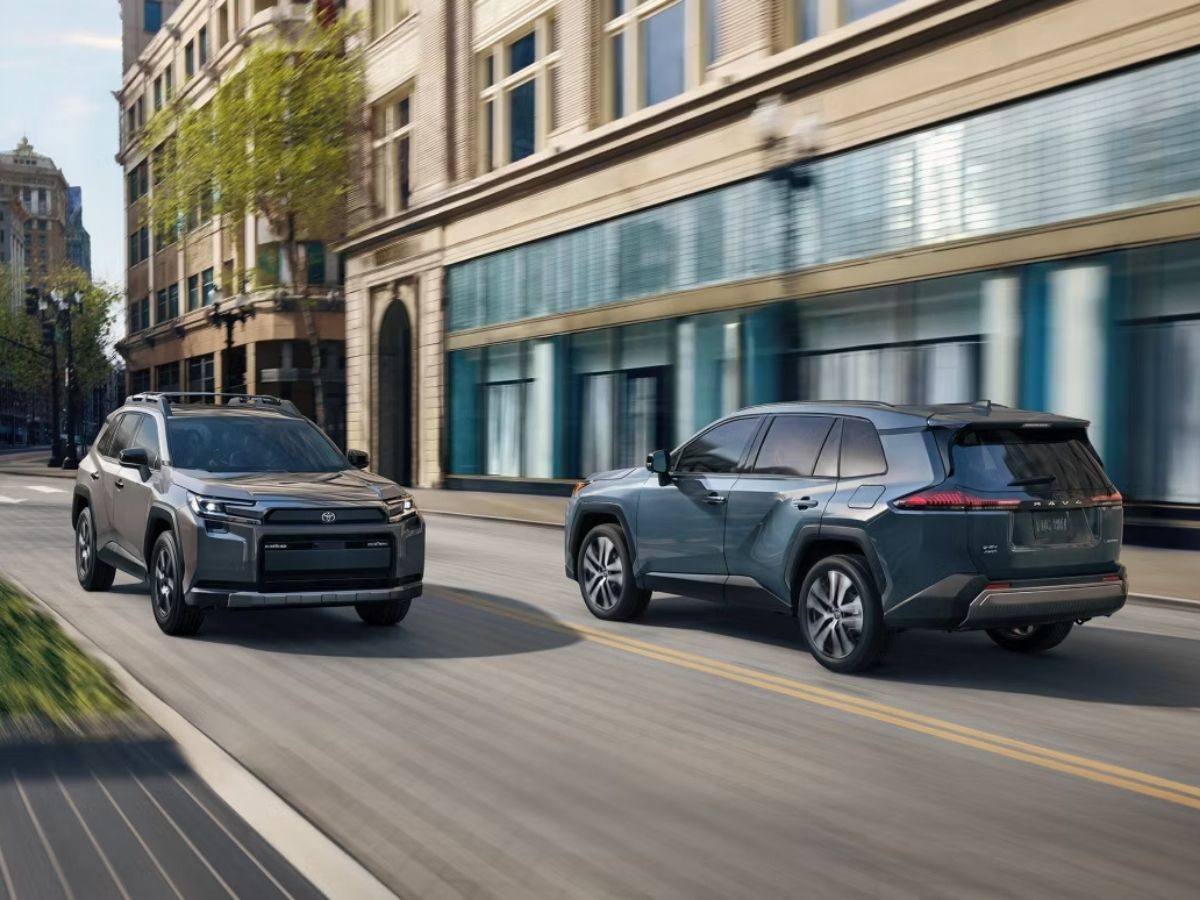
Beyond the powertrain, the 2026 Toyota RAV4 HEV carries design cues that show Toyota’s latest SUV philosophy. It showcases a more sculpted, rugged exterior and upgraded interior technologies, including a larger digital display screen and advanced safety systems under Toyota’s Safety Sense.
Autocar’s Take
The Toyota RAV4 HEV’s inclusion in the DOE’s EV recognition list is a quiet but meaningful development for the local market. It suggests that Toyota is taking a measured, policy-driven approach as it prepares the model for its local debut.
Beyond performance figures, the DOE recognition gives buyers confidence that the RAV4 HEV meets national electrification standards. The recognition also confirms that the RAV4 EV will benefit from EVIDA-related perks, which may lead more buyers to choose it as their first or second vehicle, given Toyota’s highly recognized focus on reliability and customer service.
For Filipino motorists who want a familiar, practical SUV with improved efficiency, the Toyota RAV4 HEV appears to strike a sensible balance. It can be concluded that the RAV4 HEV’s appearance on the DOE’s list is the first step into entering the local market, and we can’t wait to see it on the road soon.