
The Philippines is home to a wealth of historical landmarks that serve as living testaments to the struggles and triumphs of our forebears – heroic actions of patriotism that led to the country’s day of freedom back in 1898. Exploring these sites is a powerful way to honor their sacrifices and reflect on our collective journey toward independence. With this in mind, MPT Mobility presents a thoughtfully curated guide to historical destinations perfect for your Independence Day getaway.
Cavite: Cradle of Independence
Cavite’s revolutionary significance is unmatched. Visit the Aguinaldo Shrine in Kawit, where the Declaration of Philippine Independence was proclaimed in 1898. This ancestral home of General Emilio Aguinaldo now functions as a museum preserving artifacts from the revolution.
Also in Cavite is the Bonifacio Trial House in Maragondon, where Andres Bonifacio, the Father of the Philippine Revolution, faced trial. These sites offer a compelling glimpse into pivotal moments of our nation’s history.
Travelers from Manila can take the CAVITEX and exit at Kawit for the Aguinaldo Shrine, then continue south via Antero Soriano Highway and Governor’s Drive to reach Maragondon.
Pampanga: Remembering the Bataan Death March
The San Fernando Train Station in Pampanga played a harrowing role in World War II, serving as a stop in the infamous Bataan Death March. Here, prisoners of war were packed into train cars and transported to Tarlac. Today, the site has been restored as a solemn memorial, reminding us of the endurance and courage of Filipino and American soldiers.
Reach this site via NLEX, exiting at San Fernando, and follow Olongapo-Gapan Road to Capitol Boulevard, near the provincial capitol grounds.
Bataan: Honoring the Heroes of Mount Samat
In Pilar, Bataan stands the Dambana ng Kagitingan (Shrine of Valor), a towering cross memorial atop Mount Samat. Built to commemorate the Battle of Bataan, it honors the valor of Filipino and American troops who resisted Japanese forces. A museum on-site further recounts their bravery through artifacts and narratives.
To visit, travel via NLEX, exit at San Fernando, and follow the Jose Abad Santos Avenue to Bataan.

Ilocos Region: Echoes of the Colonial Past
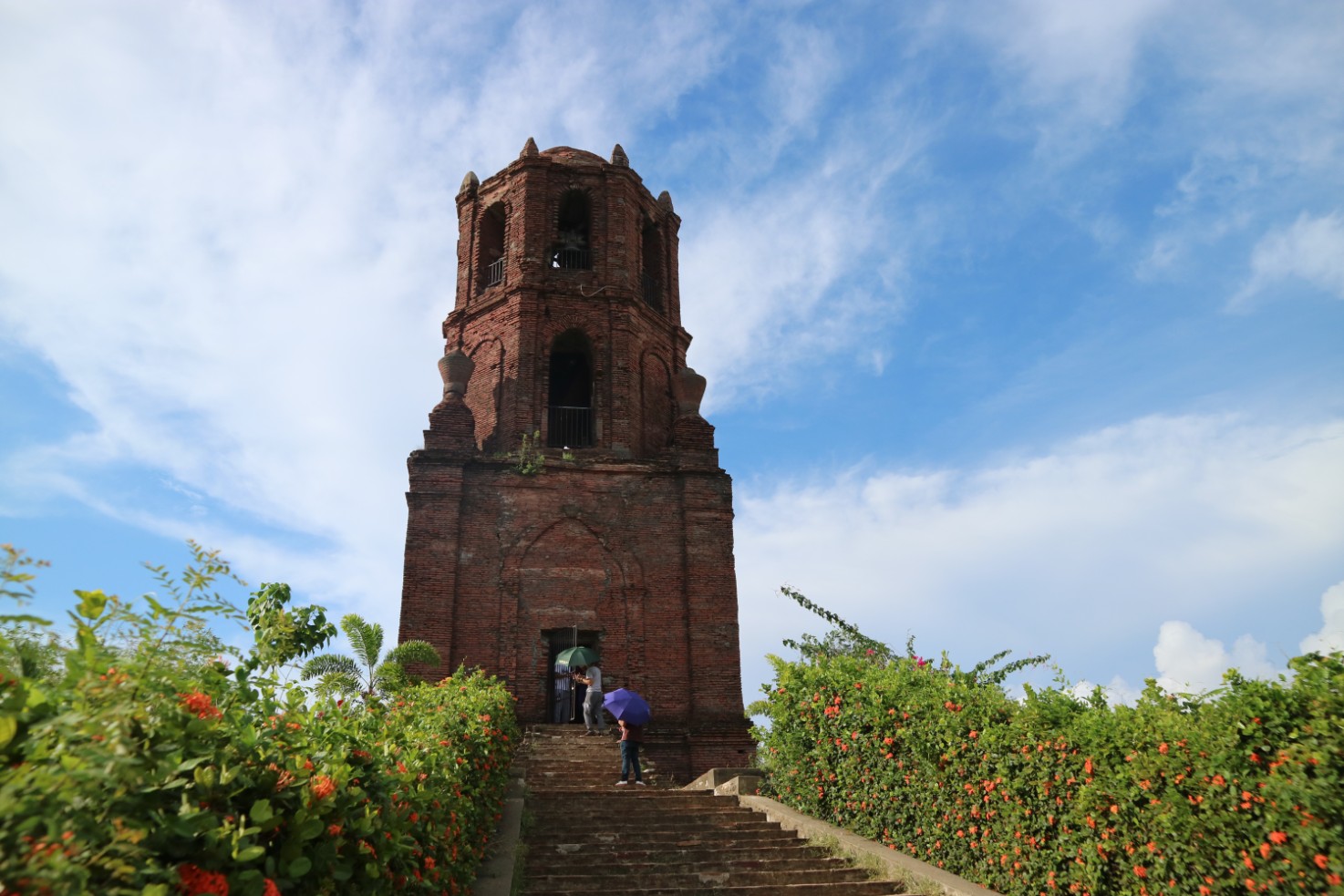
Up north, Ilocos offers rich colonial-era architecture and historical depth. The Paoay Church, a UNESCO World Heritage Site, exemplifies Baroque design adapted for earthquakes. Nearby, Malacañang of the North, once a presidential residence, now serves as a museum. The Bantay Bell Tower in Ilocos Sur, formerly a lookout, provides panoramic views and colonial history.
Take NLEX-SCTEX-TPLEX, and drive north through La Union and Ilocos Sur to Ilocos Norte to begin your tour.
Metro Manila: History Within Reach
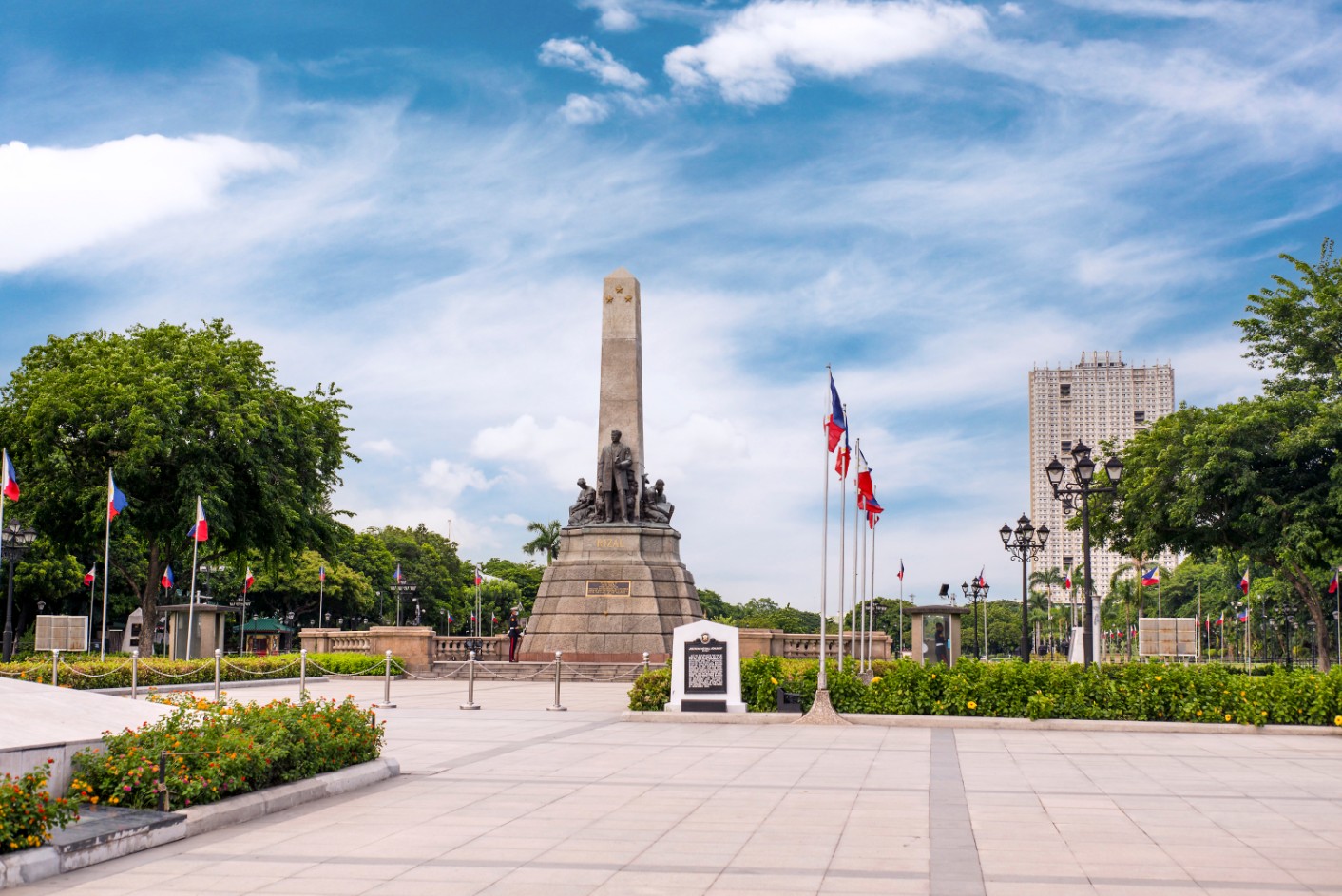
For those staying in the metro, the NLEX Connector allows quicker access to key historic areas such as Intramuros, Rizal Park, and the National Museum Complex. Whether strolling through cobblestone streets or visiting memorials, these sites offer a meaningful way to observe Independence Day close to home.

Cebu: Where History Meets Faith
Cebu offers its own significant landmarks. The Lapu-Lapu Shrine commemorates the chieftain’s victory over Magellan. In nearby Cebu City, Magellan’s Cross and the Basilica Minore del Santo Niño reflect the roots of Christianity in the country. Access is easy via the Cebu–Cordova Link Expressway (CCLEX).
Seamless Travel with MPT Mobility
Planning these trips is made simpler with MPT DriveHub, offering real-time traffic updates, RFID reloading, and roadside assistance. Whether driving north on NLEX or crossing bridges in Cebu with a CCLEX RFID, travelers can enjoy a more convenient and efficient journey.
As you explore the nation’s historical sites, make a stop at NLEX Drive and Dine for regional flavors and well-deserved rest. With MPT Mobility, discover the country’s past while traveling smarter and safer.
Celebrate Independence Day by connecting with the people, places, and stories that shaped the Filipino spirit.