
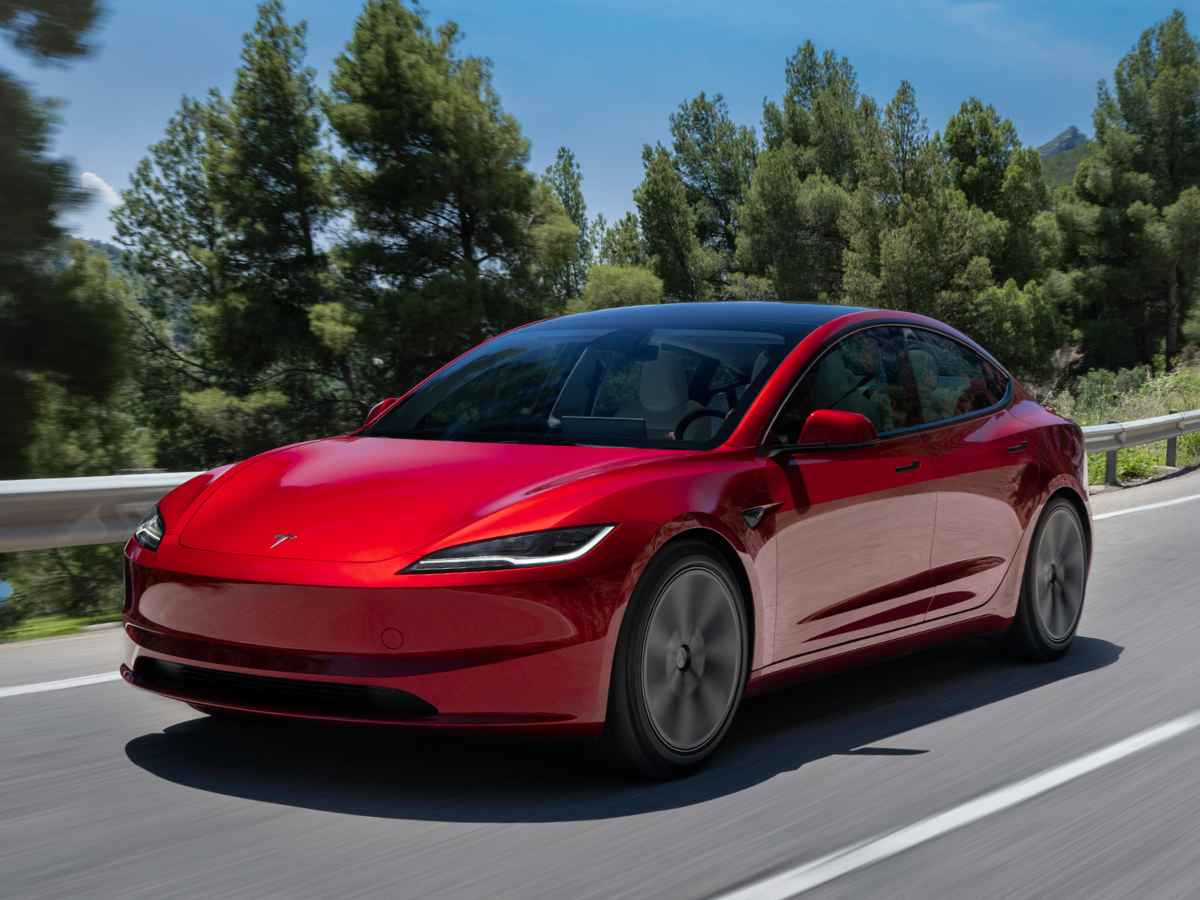
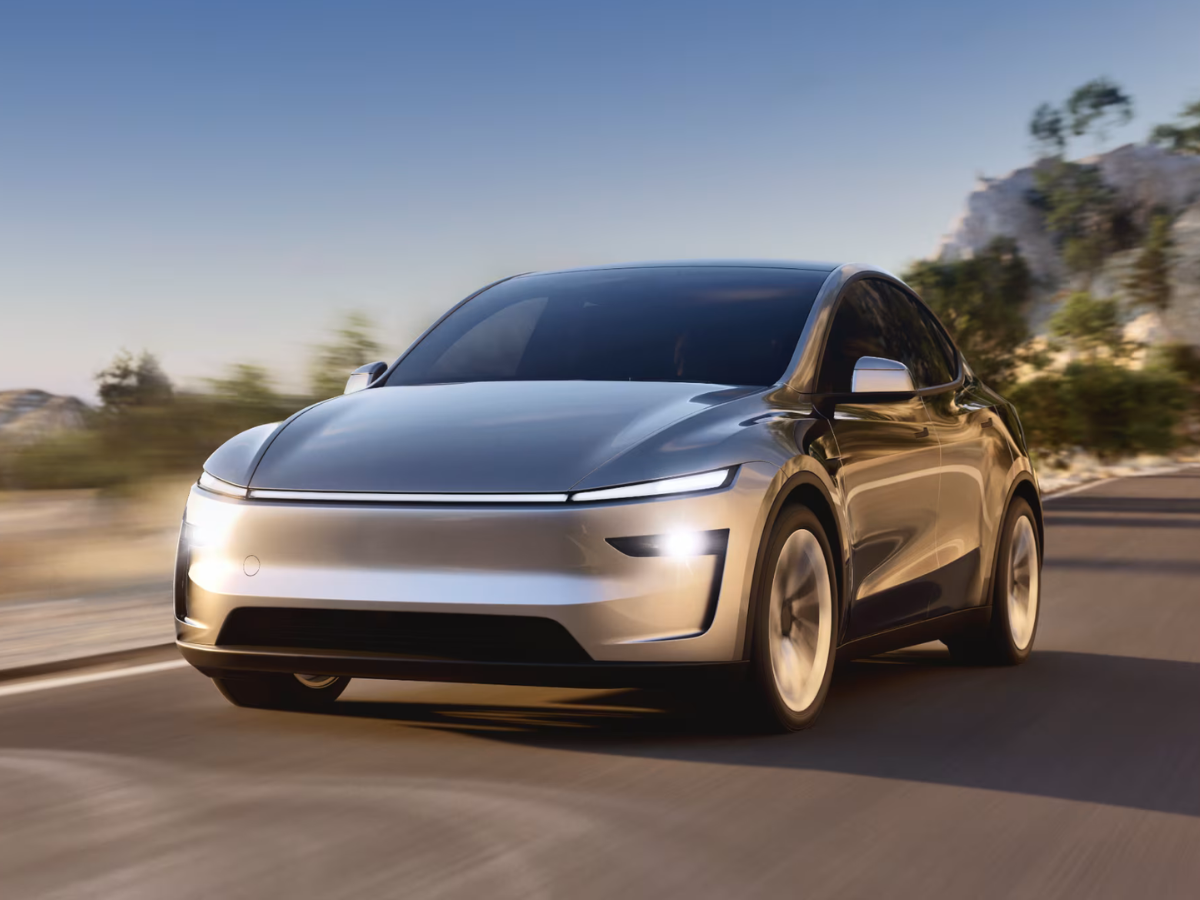
A recent real-world energy consumption test in China has highlighted Tesla’s continuing lead in electric vehicle (EV) efficiency. The results, reported by the American media outlet Teslarati and based on testing conducted by China’s Autohome, placed the Tesla Model 3 and Model Y at the top of the rankings under identical, controlled driving conditions.
The evaluation subjected all participating vehicles to the same parameters: a 375 kg payload, cabin temperature fixed at 24 degrees Celsius, and a steady 120 km/h cruising speed. The results stated that the Tesla Model 3 achieved an energy consumption figure of 20.8 kWh/100 km, while the Tesla Model Y followed closely at 21.8 kWh/100 km.
These numbers stand out as they were recorded outside a laboratory cycle. Instead of the idealized conditions typical of WLTP (worldwide harmonised light-vehicle test procedure) and EPA (Environmental Protection Agency) testing, the assessment replicated realistic, steady-speed highway use, a situation in which factors such as aerodynamic drag, temperature control, and vehicle load heavily influence a vehicle’s energy consumption.
The results reinforce Tesla’s reputation for efficient powertrain engineering. As the report notes, the vehicles’ notable performance stems from Tesla’s drivetrain, software-based energy management, and aerodynamic design. These elements help reduce consumption even under conditions that typically increase an EV’s energy use.
The evaluation also demonstrates how efficiency translates into practical advantages. Lower consumption at highway speeds can yield greater usable range, fewer charging stops on long-distance trips, and lower electricity costs for owners. For markets where charging infrastructure is still growing, efficiency gains of even a few kWh can have a meaningful day-to-day impact on the vehicle ownership experience and budgeting.
While the test offers valuable insight, it only represents a single driving condition. Real-world conditions still vary depending on driving style, ambient temperature, weather, terrain, and traffic. This means that, while the numbers reflect realistic scenarios, the results remain inconclusive and are not intended to replace official WLTP and EPA test cycles. Instead, the results add an important layer of context for consumers evaluating how different EV models perform in real-world conditions.
Overall, the test underscores how design, software, and engineering continue to separate the most efficient Vs from the rest of the market. For buyers who frequently travel long distances or frequently use expressways, data from this evaluation offers useful, real-world guidance.