


Electric vehicles (EVs) are gaining traction in the Philippines, with government policies, such as the EVIDA (Electric Vehicle Industry Development Act), as well as private sector efforts, driving the expansion of charging infrastructure. Yet, for many would-be EV owners, the biggest questions aren’t about the cars themselves.
What’s the difference between AC and DC charging? How does charging a full EV differ from charging a plug-in hybrid electric vehicle (PHEV)? And where does the Philippines stand in building the facilities to support them? To answer these questions, here’s a breakdown of the basics of EV charging so the next time you plug in, you’ll have an idea of how things work.
The backbone of EV charging lies in two types of electric current: alternating current (AC) and direct current (DC).
AC is the most common and practical method of charging an EV. Local electric company, Meralco, refers to this type as Level 1 or Level 2 EV. It uses the same type of current supplied in households and workplaces (Level 1) or in malls (Level 2). Because EV batteries can only store DC, the car’s onboard charging system converts AC into DC before it enters the battery. This conversion limits the speed at which the EV charges, making this suitable for overnight use or long parking periods.
DC, also known as DC fast charging or Level 3 as per Meralco, delivers power directly to the battery. This allows higher charging speeds, with many EVs reaching 80% in just under an hour. This comes with caveats, such as higher infrastructure costs and increased energy demands. Additionally, Meralco notes that frequent use of DC fast chargers may lead to premature battery degradation. As such, DC fast chargers are currently found only in dedicated EV charging stations.

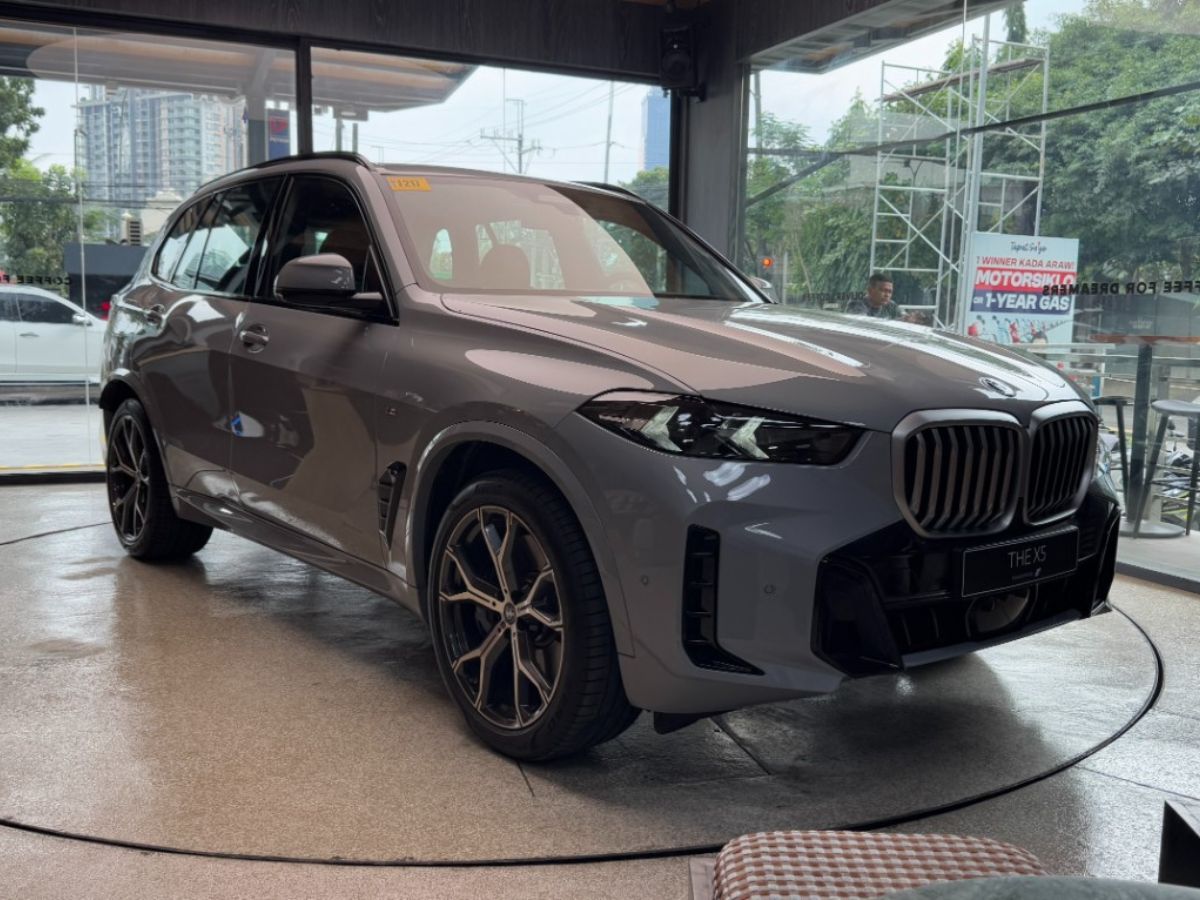
The choice between AC and DC charging ties directly to the type of EV a driver owns. Full EVs, which rely on batteries, carry large energy storage packs, making them suitable for both AC and DC fast charging. Daily commutes and errands can be covered with home AC charging, while DC fast charging can be used for longer trips or top-ups on busy days.
PHEVs, on the other hand, pair a smaller battery with a gasoline engine. PHEV batteries usually recharge in just a few hours using AC outlets, making fast charging less needed. Shorter trips can be covered by pure electric mode alone. For longer trips, the gasoline engine takes over, effectively reducing range anxiety—the worry of losing battery power in the middle of a journey.
In the Philippines, charging infrastructure is gradually catching up to the rising interest in EVs. In fact, the government’s Comprehensive Roadmap for the Electric Vehicle Industry (CREVI) aims to make around 7,300 EV charging stations nationwide by 2028. To date, CREVI has established more than 900 EV charging stations nationwide. CREVI’s efforts are aided by EVIDA, which requires gasoline stations to provide safe and reliable EV charging stations of their own.
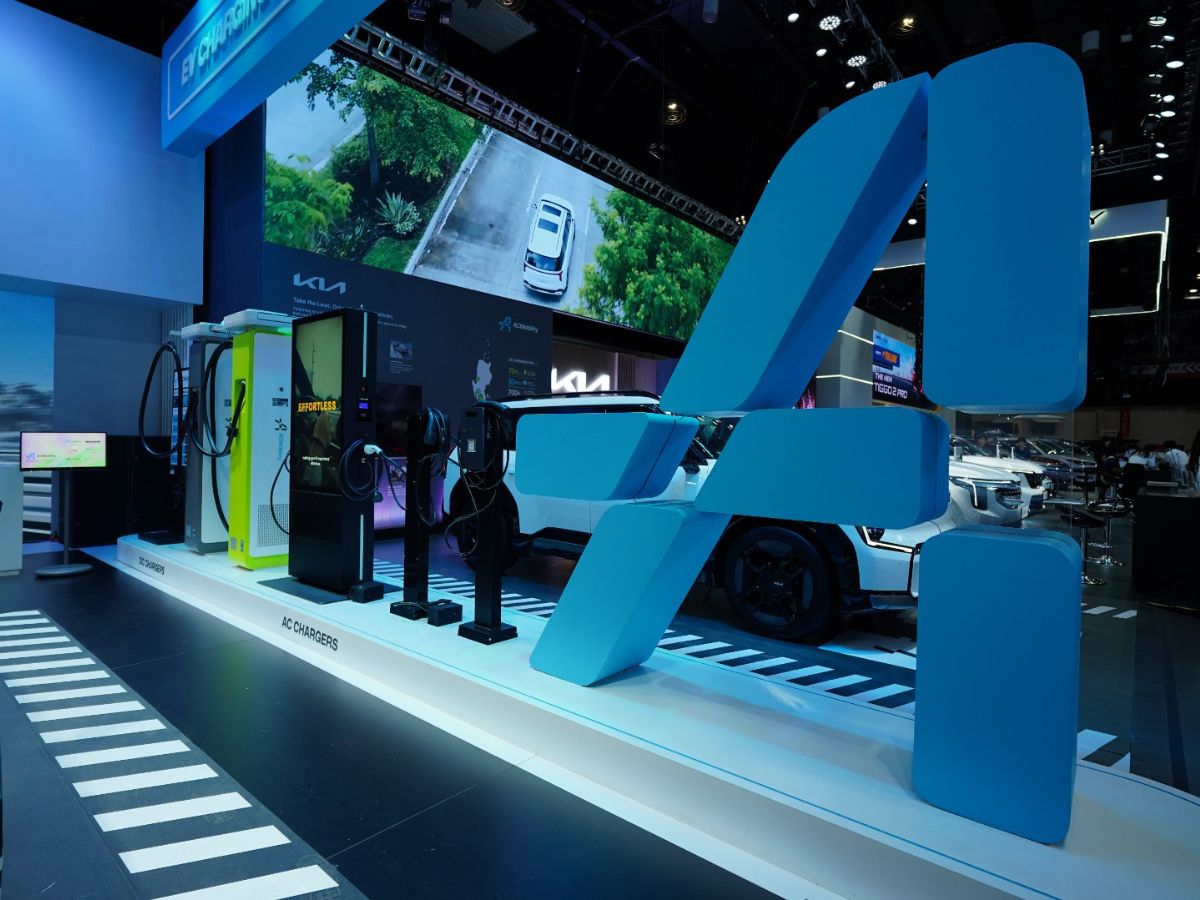
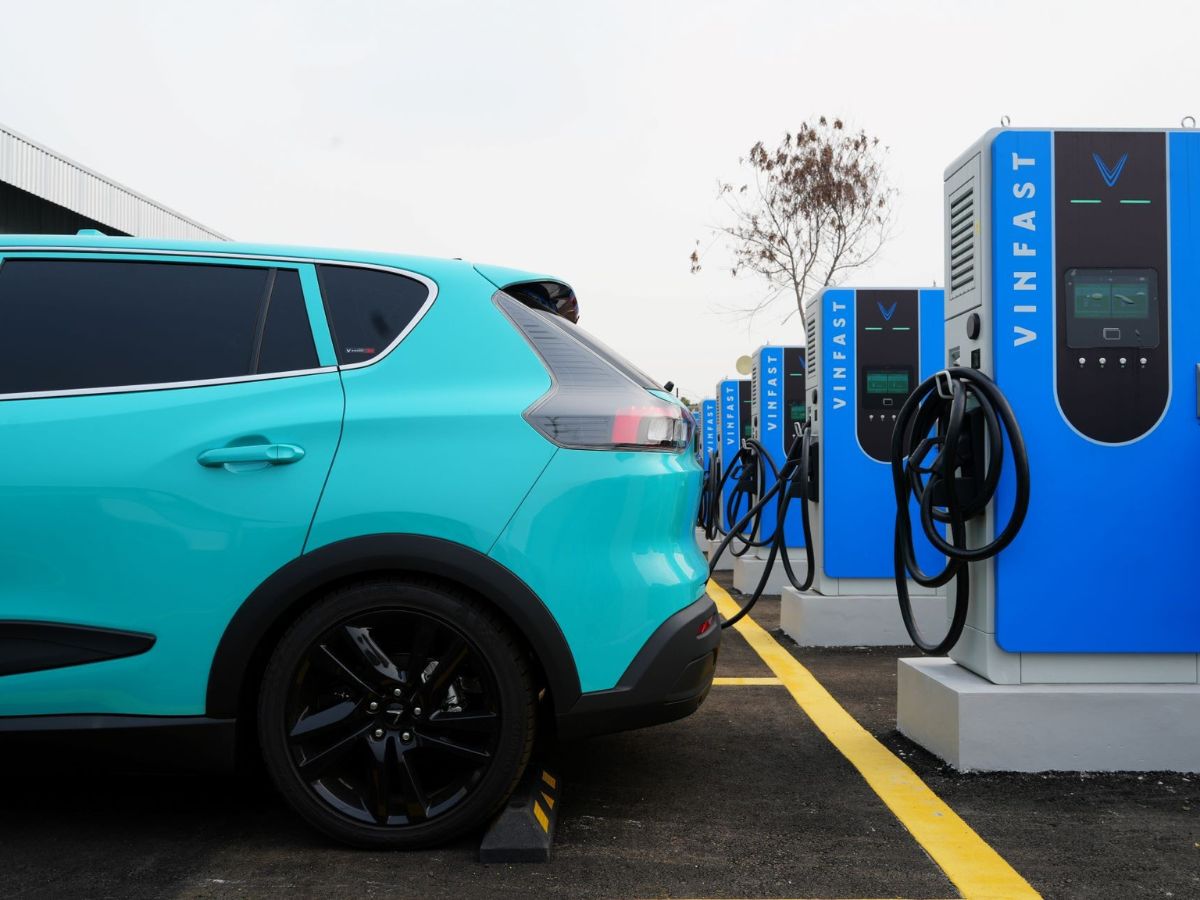
Private players are also stepping up, with ACMobility leading the charge. For 2025, the company targets to build around 700 EV charging stations nationwide. It also introduced an EV charging locator through Evro. This announcement comes on top of its recent partnership with Shell Philippines to build additional EV charging stations, particularly in areas outside Metro Manila.


