


Tesla plans to wind down Cybertruck production at its Texas factory around the middle of 2027, as the electric vehicle (EV) maker prepares to redirect manufacturing capacity toward its autonomous Cybercab robotaxi. The move could mark a turning point for the unconventional electric pickup.
Musk announced the planned production change on X, formerly Twitter, saying the factory would make room for increased Cybercab output. He did not initially clarify whether Tesla would discontinue the Cybertruck altogether or move its production to another facility. In a follow-up post, he said the company would add another production shift to fulfill outstanding orders before dismantling the line around June or July 2027.
The planned change comes as Tesla is now positioning itself around autonomous driving and robotics, with the Cybercab central to its robotaxi ambitions.
In relation to that, the Tesla Cybercab represents a different direction for the tech-forward car brand. The two-seat vehicle was developed for autonomous transportation and is central to Elon Musk’s plan to expand the company’s robotaxi business.
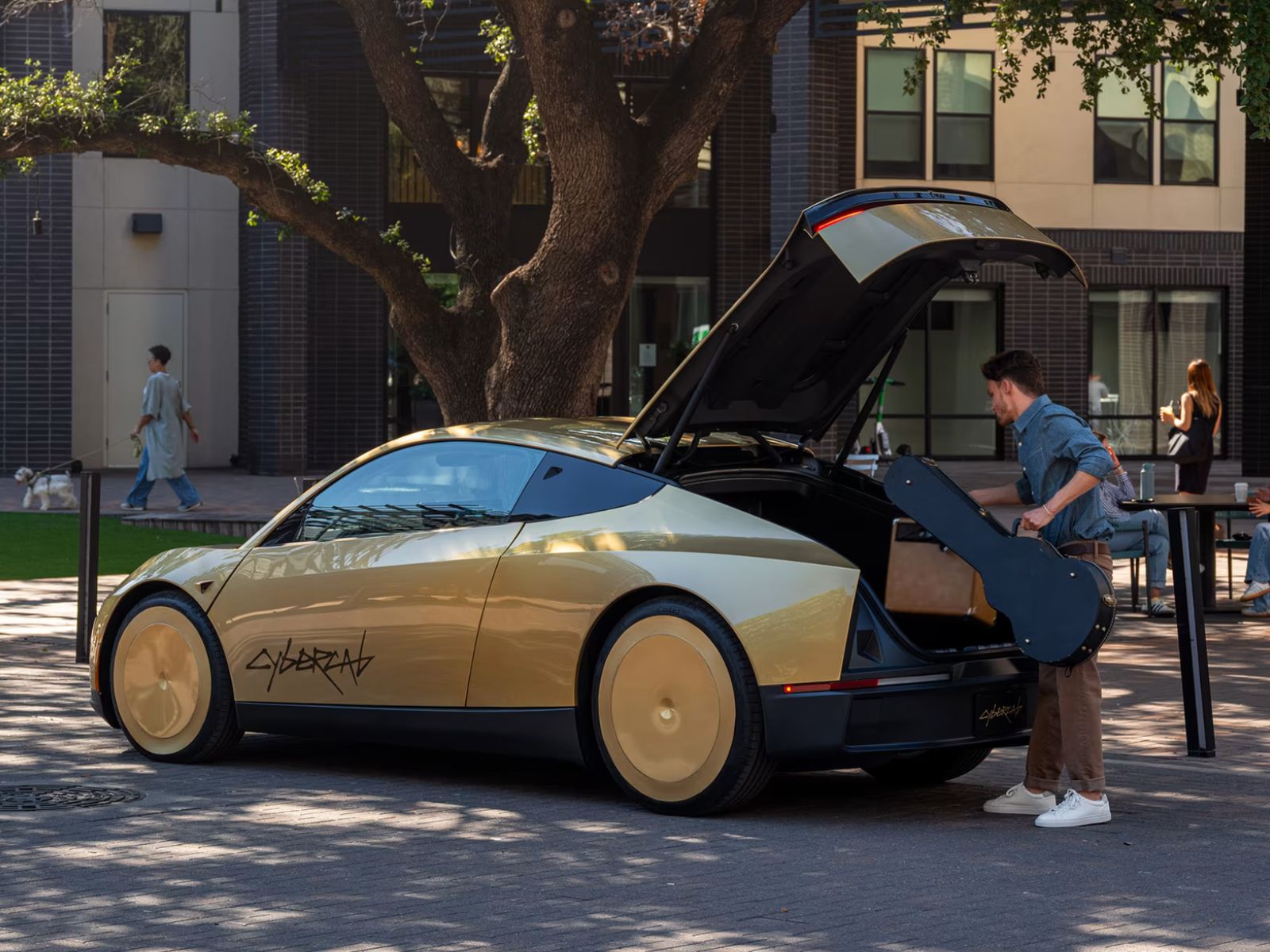
Shifting factory resources toward the Cybercab would give Tesla more room to pursue that strategy, although scaling production and expanding autonomous ride-hailing services remain significant challenges.
For Tesla, the next phase will depend on whether the Cybercab can deliver the commercial results the Cybertruck failed to achieve. The company’s decision to prioritize the robotaxi suggests that its future ambitions increasingly extend beyond selling electric vehicles to individual buyers.
While the company did not officially say what led it to winding down the Cybertruck’s run, industry watchers point to the model’s planned production wind-down as an example of the difficulty and the reality of turning a high-profile vehicle launch into sustained demand. Its distinctive design generated considerable attention, but attention alone did not translate into the sales volumes Tesla had anticipated.
Autocar’s Take
The Tesla Cybertruck shows that being different can get people talking, but it does not guarantee commercial success. Now, Tesla is giving the Cybercab greater priority, signaling where it believes the bigger opportunity lies. That may be a sensible move, but autonomous mobility still has plenty to prove. The real test is whether the American company can turn its robotaxi vision into a sustainable business, rather than simply replacing one ambitious product with another.