
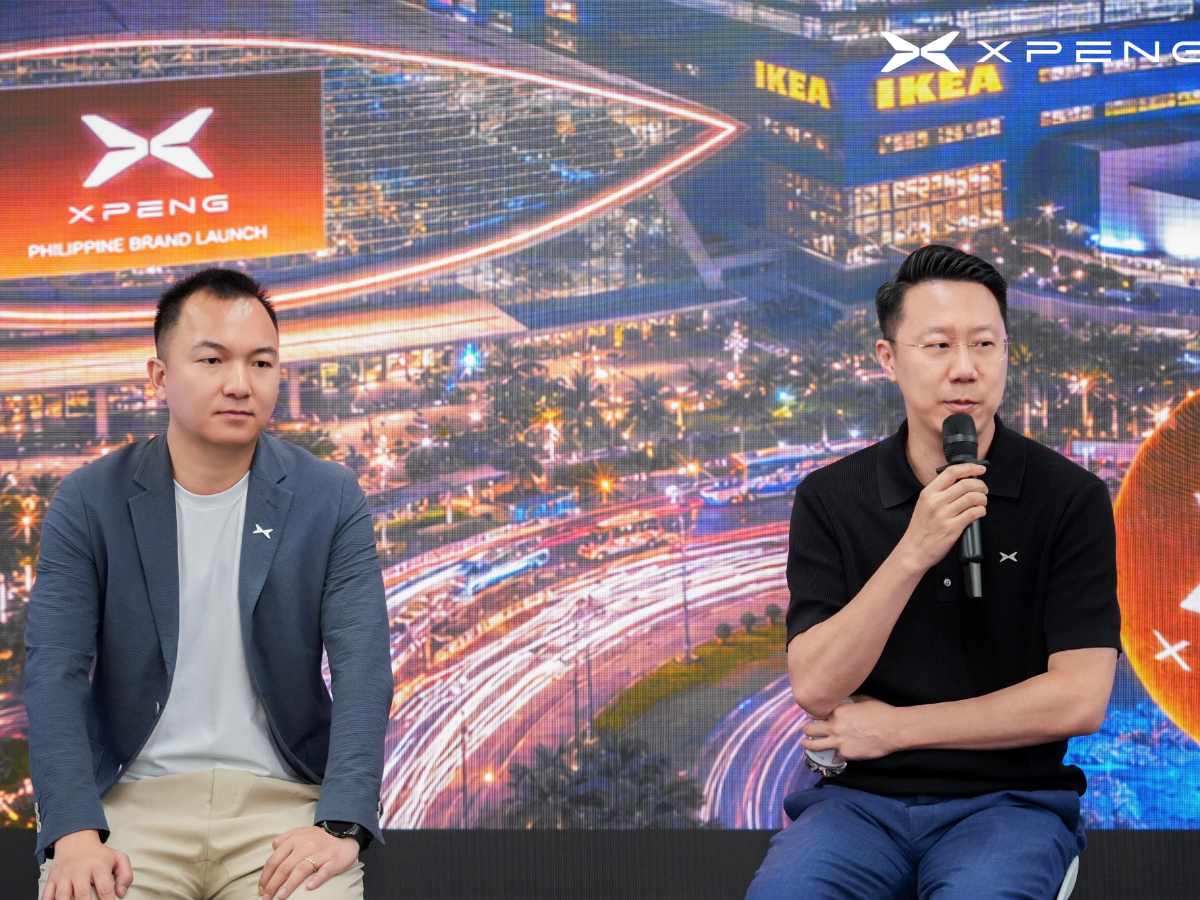
XPENG’s arrival in the Philippines comes at a time when our automotive market already has many Chinese brands. During our recent brand exposure trip to XPENG’s headquarters in Guangzhou, we had the opportunity to ask a few top executives a few questions. Scheduled to enter the Philippines in September, we sat down with Vice President James Wu and Sam Chu, General Manager for Southeast Asia.
Launching another EV brand is the easy part. The challenge is convincing Filipino buyers that a relatively young Chinese automotive brand can offer the expected technology, ownership experience, support, and long-term commitment.
What Makes XPENG Different?
Wu’s answer was straightforward: they don’t consider themselves merely an EV manufacturer. The company has positioned itself as an AI technology company, with vehicles serving as one of its platforms.
Their investment in R&D is a major part of that strategy. Wu mentioned the company has facilities in Silicon Valley, Germany, and China, adding that this global R&D network is one of the fundamental differences between XPENG and its competitors.
The technology itself is then demonstrated through products such as VLA 2.0 (Visual Language Action), XPENG’s next-generation autonomous-driving system. But XPENG’s ambitions go beyond cars.
The company is also working on humanoid robots and flying cars, with technology, chips, and other hardware shared between these different applications. Giving them more than just simply “we make electric cars.”
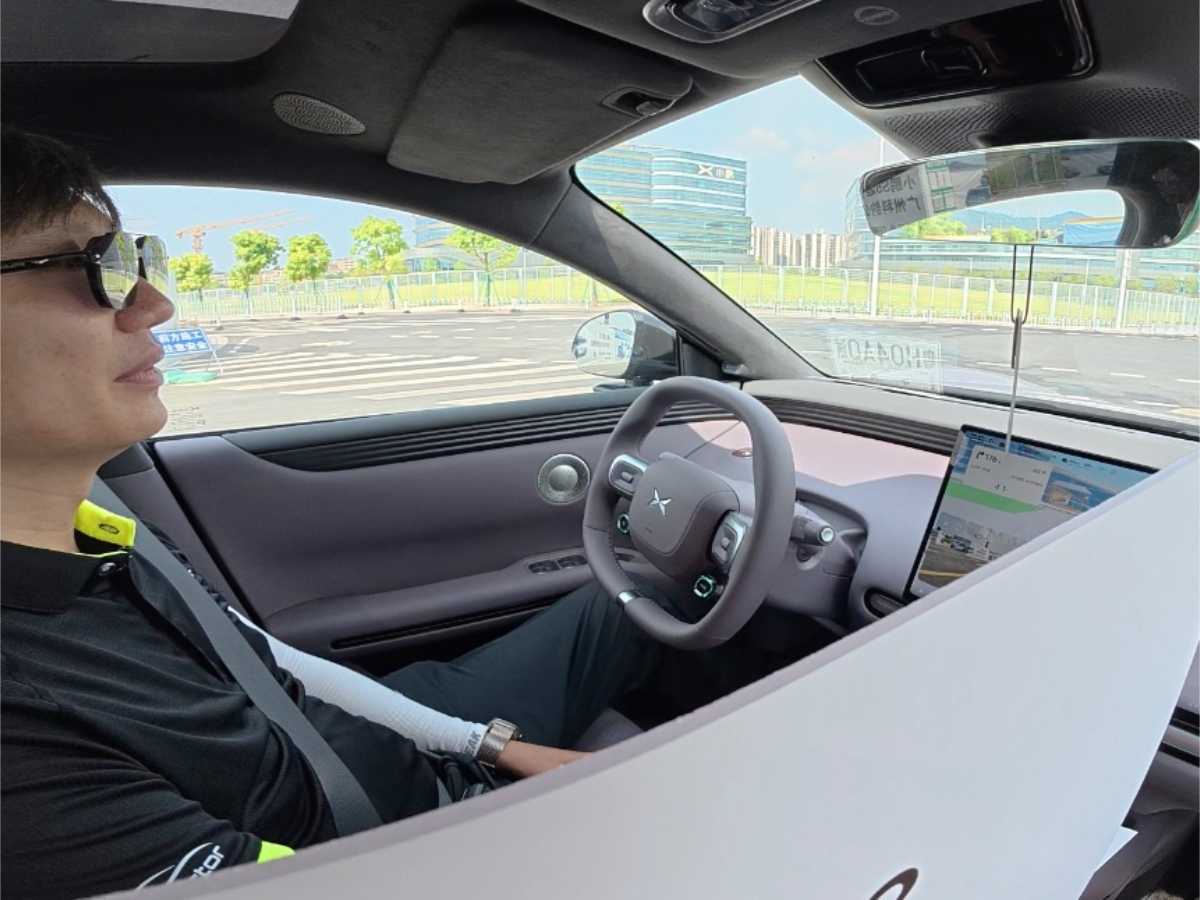
Does VLA 2.0 Actually Make a Difference?
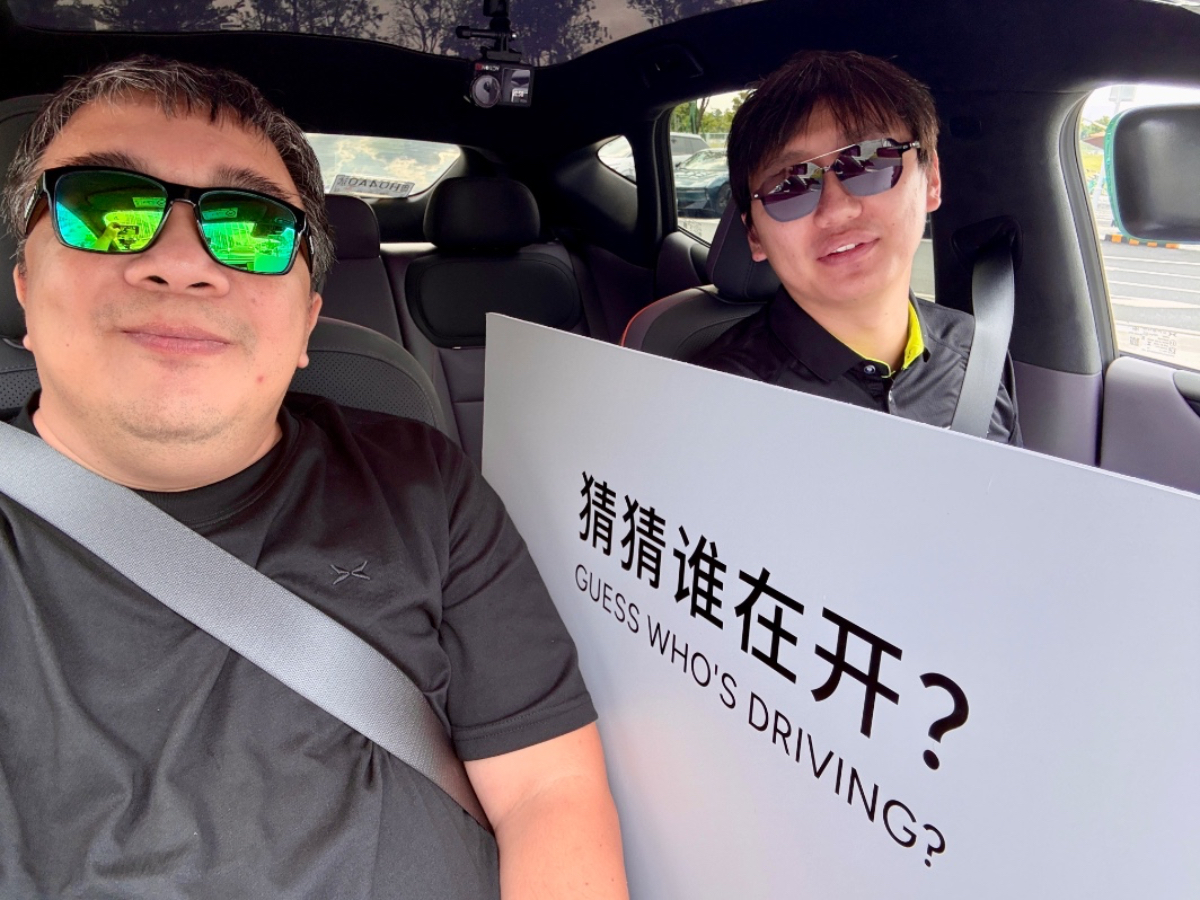
As manufacturers have started to feature AI-powered driving, Wu’s response centered on three things: safety, reaction time, and comfort. He admits that autonomous driving can initially be a scary proposition. But having used the technology on several occasions, he said he overcame his fear and learned that it could outperform a human driver in situations where fatigue or distraction becomes a factor.
According to Wu, the time it “sees” and reacts can be reduced to less than 80 milliseconds, resulting in a vehicle that responds quickly while maintaining smooth, predictable maneuvers. If the technology works well enough that passengers can’t tell the difference between a human or technology driving, then perhaps it is finally approaching the experience manufacturers have been promising.
Why Southeast Asia?
Wu explained that XPENG’s international expansion began in Europe.
And now they’ve turned their attention to Southeast Asia. The region has more than 600 million people, relatively young populations and rapidly developing economies. They also believe consumers in Southeast Asia have an appetite for new technology and are willing to pay a premium for products that offer something different. That fits their strategy.
They are also putting money behind that commitment. XPENG already has manufacturing facilities in Indonesia and Malaysia, demonstrating that Southeast Asia is not being treated merely as an export destination.
Why Is Now the Right Time for the Philippines?
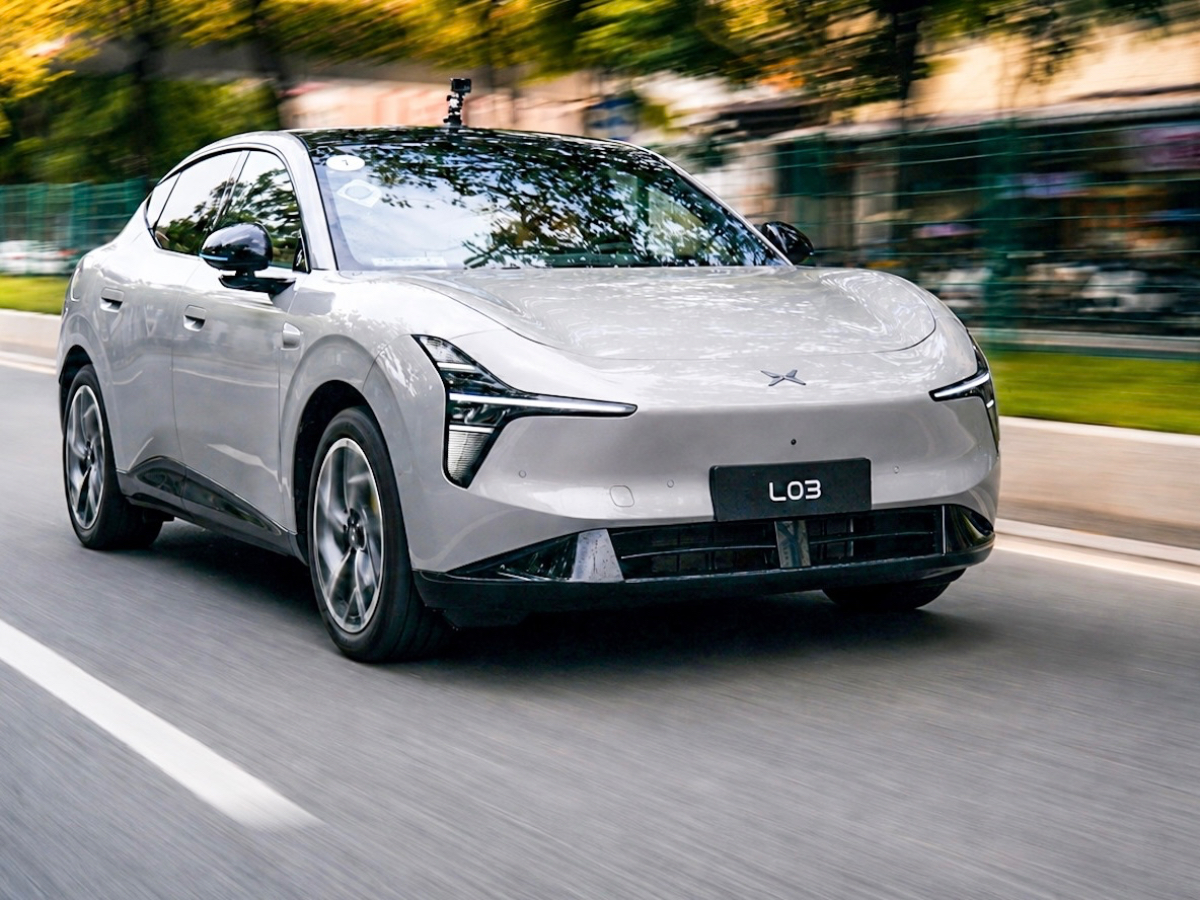
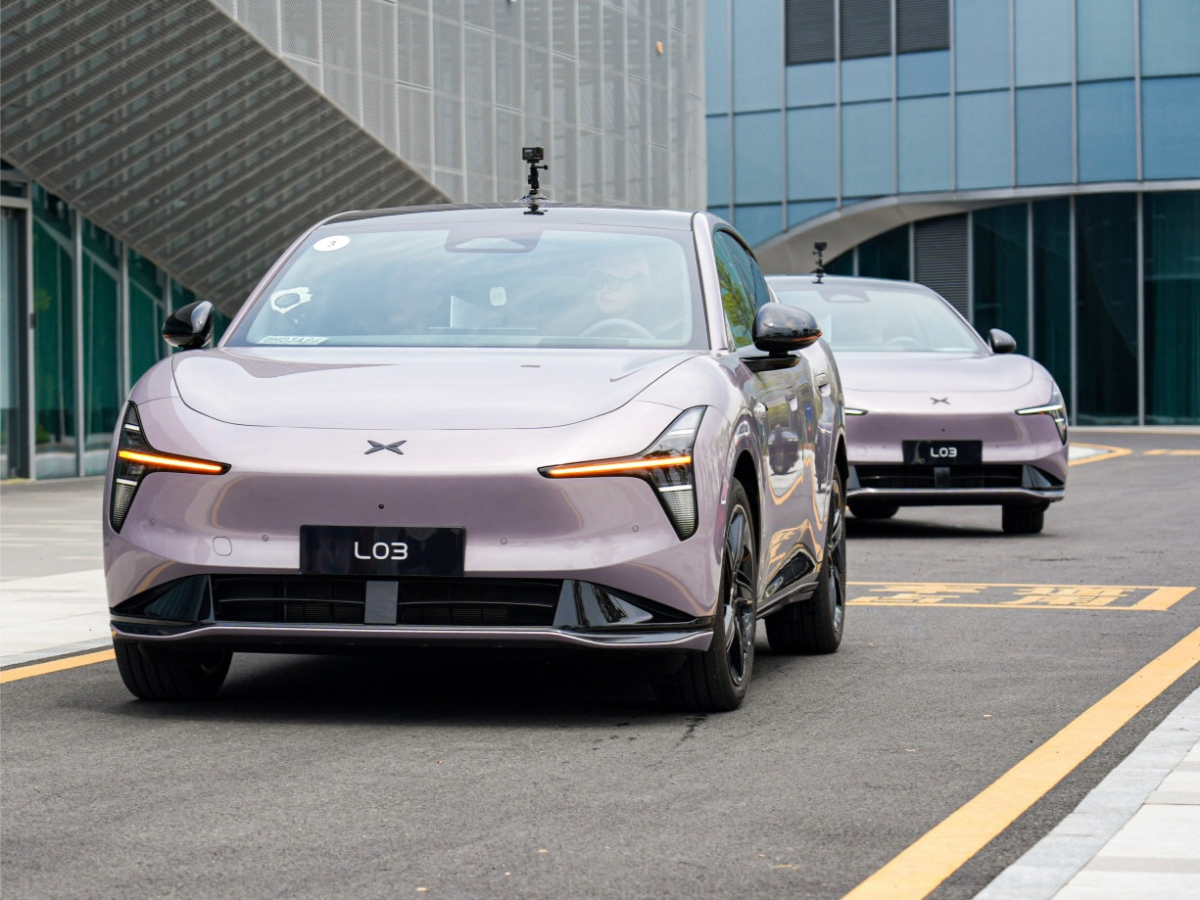
Sam Chu answered that the company’s product lineup is finally ready. Until recently, XPENG had only two models available in Southeast Asia, the G6 and X9. Both are positioned toward the premium end of the market, limiting the number of potential customers.
With the L03 and G9L joining the portfolio, XPENG believes it can address a much wider range of customers. Chu also sees the Philippines approaching an important turning point in electrification and intelligent mobility. The success of Tesla, he noted, has demonstrated demand in the Philippines for intelligent electric vehicles.
XPENG believes it is arriving at a time when the market is becoming more receptive to the technology it offers.
Can EV Infrastructure Keep Up?
Our charging infrastructure remains one of the biggest challenges to widespread EV adoption, and Wu acknowledged the gap between China and our market. XPENG itself has more than 30,000 charging stations in China. They plan to establish charging infrastructure in overseas markets as well, and while Wu acknowledged that building it will take time, he sees extended-range technology as another way to address range anxiety.
Add to that 800-volt fast charging and regular over-the-air updates, XPENG believes it can make electrification easier for consumers who remain apprehensive of shifting to electrified mobility due to range anxiety.
What Happens Five or Ten Years Later?
Perhaps an important question, as many Southeast Asian consumers keep their cars for much longer than the average Chinese EV owner. How does XPENG ensure that a vehicle bought today remains functional years later? Wu’s answer revolved around hardware and software.
They equip their higher-specification vehicles with significant computing power from the start. Their Ultra versions use three Turing chips, capable of handling more than 2,250 TOPS (Trillions of Operations Per Second). The idea is future-proofing by building enough computing capability into the vehicle today so it can handle more demanding software in the future. Then there are over-the-air (OTA) updates. XPENG frequently provides OTA updates in China, and it expects overseas vehicles to receive ongoing software improvements as well, though exactly how often will depend on the market.
But Wu also acknowledged that technology is only part of their long-term ownership with the customer. After-sales service and parts availability have historically been weaknesses associated with some Chinese brands expanding overseas. XPENG says it is determined not to make those mistakes. They will invest in parts inventories, service capabilities and battery repair facilities.
XPENG Won’t Get Into a Price War
While Chinese auto makers are increasingly aggressive in Southeast Asia, price wars can quickly erode both profitability and brand positioning. Chu said XPENG intends to avoid that trap. For him, the objective is to create enough value that customers choose the product for what it offers rather than simply because it is cheaper. Technology is the center of that value proposition.
XPENG’s AI systems, robotics, flying-car program, and other technology initiatives are intended to give the company a brand identity that goes beyond price. The challenge will be maintaining that up-market positioning once XPENG enters a market where consumers are increasingly accustomed to aggressive pricing from other Chinese manufacturers.
What Does the Future Look Like?
The final question asked the executives of XPENG to look five years ahead. Wu divided the company’s Southeast Asian strategy into two areas: vehicles and technology.
On the vehicle side, XPENG plans to expand its portfolio with more C- and D-segment SUVs and extended-range models, alongside its existing EVs.
On the technology side, VLA 2.0 is clearly a major priority. Wu suggested that their time frame could bring VLA 2.0 to overseas markets within 12 to 24 months, although local regulations and market-specific testing will determine exactly when it becomes available.
They don’t want to compete simply on how many kilowatts its motors produce, how many kilometers its battery allows, or what the standard equipment complement is.
They want their cars to be part of a much larger AI ecosystem.
For Filipino consumers, September will be the time to find out whether that vision translates into something that matters on our roads. While cool technology may get people through the showroom door. Ultimately, it will be the product, ownership experience, and the company’s commitment to the market that ultimately determines whether XPENG stays here for the long term.