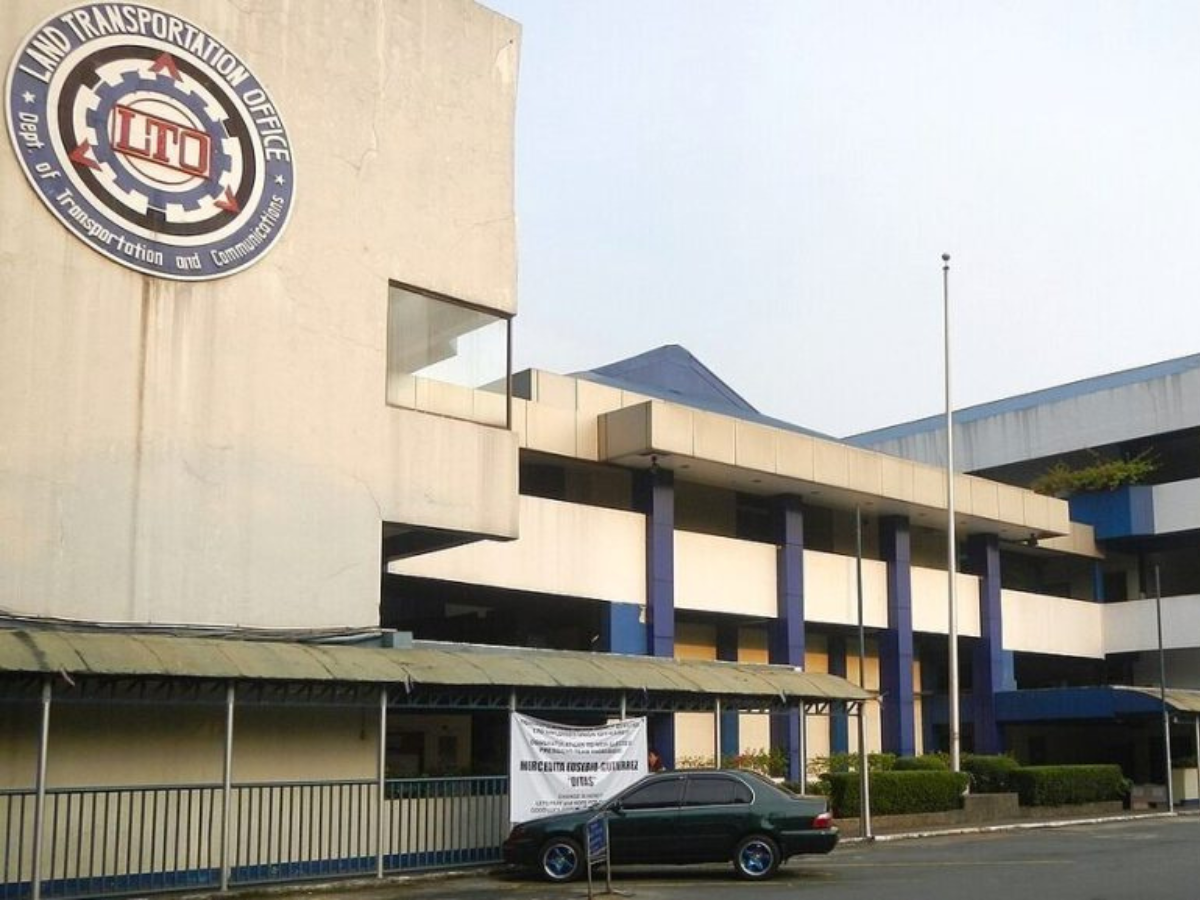

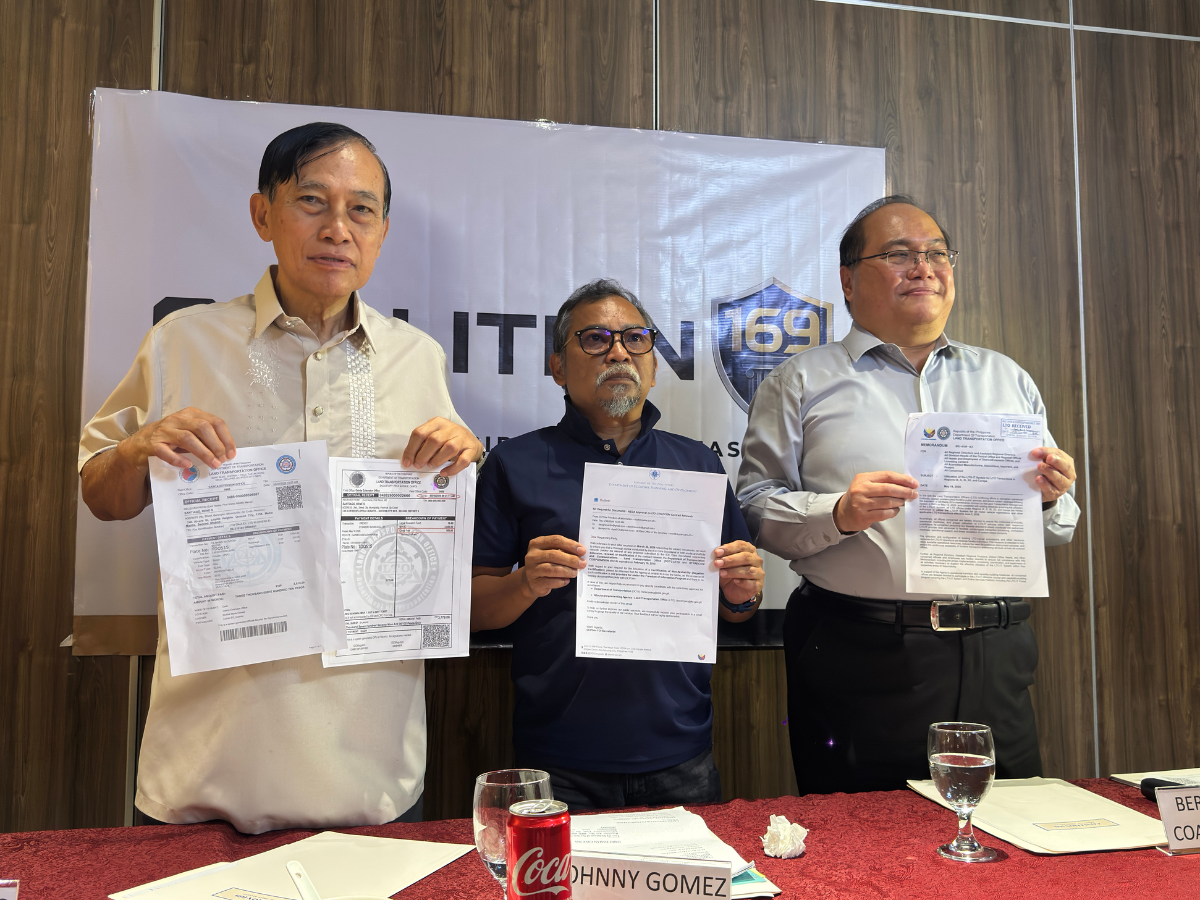
Coalition 169, a transport advocacy group, has called on the Office of the Ombudsman to investigate the handling of the Land Transportation Management System (LTMS) Component A contract following its expiration on May 13, 2026. The group questioned why discussions on a transition support agreement reportedly began only after the contract had already lapsed.
In a statement, Coalition 169 urged authorities to examine the P3.1-billion contract awarded to German technology provider Dermalog and determine whether proper procedures were followed during the transition process. According to Coalition 169, the Department of Transportation (DOTr), the Land Transportation Office (LTO), and Dermalog are reportedly working on a 90-day transition arrangement to maintain system operations.
The group, which refers to itself as an “industry watchdog,” argued that contingency measures for critical government digital infrastructure should have been planned well before the expiration of a major contract. It maintained that transition preparations should form part of long-term governance and operational planning for essential public services.
The LTMS, which became operational in July 2023, is a government-owned platform used to digitize various LTO transactions and services. Coalition 169 noted that Component A of the project is valued at P3.1 billion, while Component B, worth nearly P5 billion, remains under the supervision of the LTO’s Management Information Division. The total LTMS project is valued at approximately P8.1 billion.
Coalition 169 also raised concerns regarding the continued contractual claims and operational role of Stradcom Corporation within the LTO. It pointed to requirements under public-private partnership regulations, stating that approval from the National Economic and Development Authority (NEDA), now known as the Department of Economy, Planning, and Development (DEPDEV), is necessary for contract extensions.
Coalition 169 said evidence submitted to investigating authorities indicates that no such approval was obtained for extensions allegedly granted after February 10, 2013. It added that contractual provisions cannot override existing laws, regulations, and principles of public accountability.
Of note, the coalition has asked the Ombudsman to review the issues raised and determine whether computer fees collected after February 10, 2013 may warrant further examination, including the possibility of refunds where applicable.
Autocar’s Take
Questions surrounding major government technology contracts often draw public attention because they involve both public funds and essential services. In this case, Coalition 169 is calling for a review of the LTMS transition process, citing concerns over contract management, regulatory compliance, and continuity planning. Whether the allegations have merit remains for investigating authorities to determine. However, the issue highlights the importance of transparency, proper oversight, and clear succession planning for mission-critical digital systems. The bottomline here is public accountability and timely contract administration remain key concerns for both agencies and citizens.