Chery has been one of the pioneering Chinese automotive brands in the Philippine market, paving the way for more Chinese brands to enter the local market. As more Filipinos become more accepting of these brands, the local market has become aware that many of these brands are associated and often share platforms for model offerings.
Chery is among the brands that carries many sub-brands with a few of which available in the Philippine automotive market. Chery, officially re-entered the local market in 2019 under the distributorship of United Asia Auto Group, Inc. (UAAGI), has been continuously strengthening its Tiggo SUV line locally.

Jetour is a Chery SUV sub-brand that entered the local automotive market in 2023, and, like its mother brand, it is currently under the distributorship of UAAGI. Jetour has been known for its value-for-money SUV offerings.
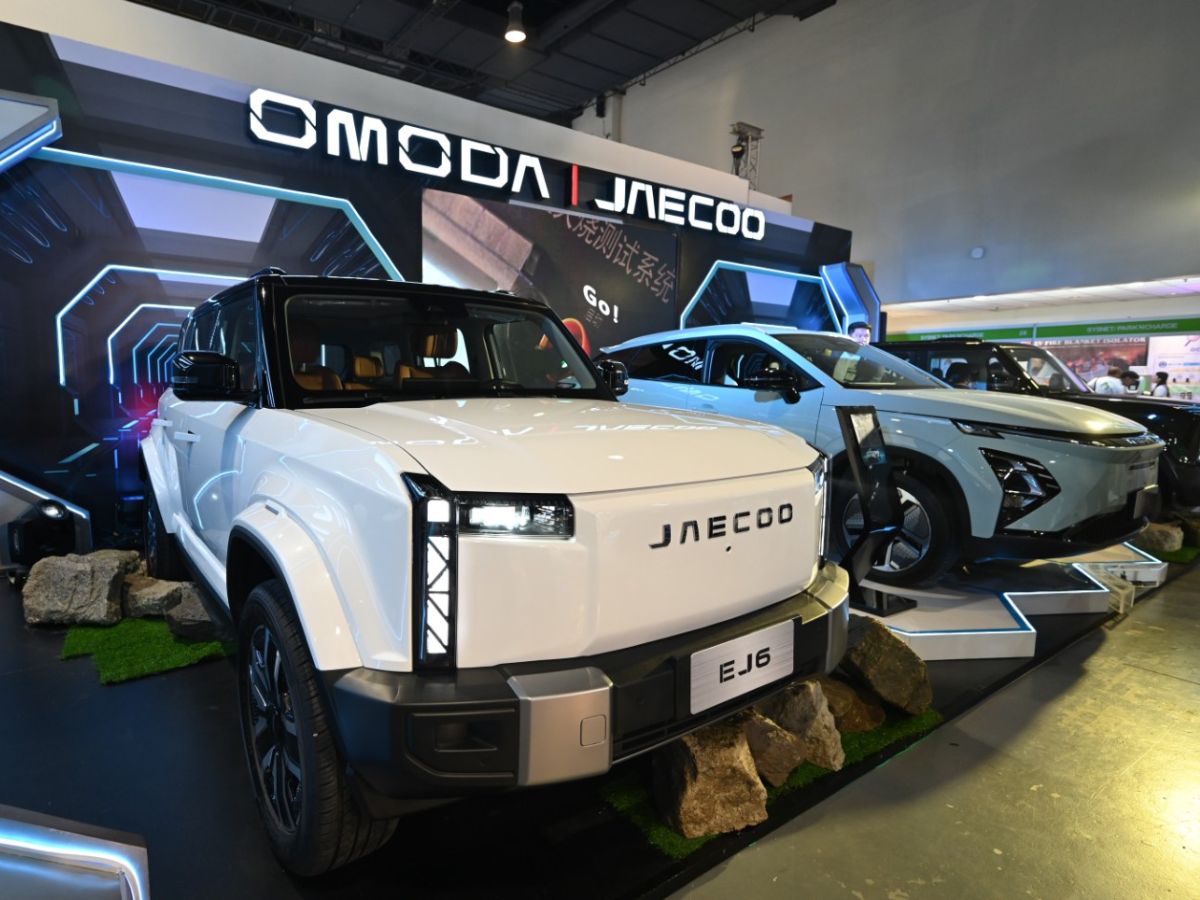
Omoda & Jaecoo, another Chery sub-brand, is distributed in the country by Omoda & Jaecoo Motor Philippines, Inc. (OJMPI). The brand officially entered the Philippine automotive market in 2025, after several months of hinting, targeting a much younger demographic with stylish SUV designs.
Currently, these are just three of the eight Chery Group brands officially available in the country.
While some may find Chery Group’s strategy of launching sub-brands confusing, a top executive of the brand claims otherwise. According to a report published by Australian motoring media, Drive, Chery International president Zhang Guibing clarified that offering a range of sub-brands aims to capture a broader chunk of the market.
For context, the Chery Group is set to expand its operations in Australia by 2027. With Chery, Omoda & Jaecoo currently being available in the land down under, other Chery group sub-brands Lepas, iCaur, Freelander, and Jetour are set to join the Australian auto market until next year.

“Ten years ago, when you look at Toyota or Volkswagen, one model, some model, they could [sell in] one year, two million units. But today, it’s very difficult for you to find a model that can move more than half a million. So it’s really now, the customer, that difference,” said Guibing
According to the Chery Group executive, the market is now looking for variety, rather than just joining a sea of select car models. Guibing further exemplified, “It’s the same as ladies’ clothes. These clothes are very beautiful, but when too many ladies use them, the ladies say, ‘No, I don’t like to buy. I don’t want to be the same as other people.’ So I think it’s the same.”
“We are trying to use different sub-brands to cover specific customer groups.”
So, where is the line drawn, you ask? The Chery Group executive furthered that having dedicated sales and development teams for each brand helps in building identity for each brand despite having shared platforms, technology, and powerplants.
“Even Chery, from the R&D to the sales team, they are really different. They move, and they follow these customer groups. They understand the habit, they understand the language, they really understand what they want.
“By this way, we are thinking, we are using different sub-brands to try to cover different customers. We don’t want to mix together.”
The Chery executive also admitted that there could be overlap among the Chery sub-brands, but reiterated that the company is confident that factors such as cost structure and price structure will be enough to set each brand apart, not to conflict with each other.