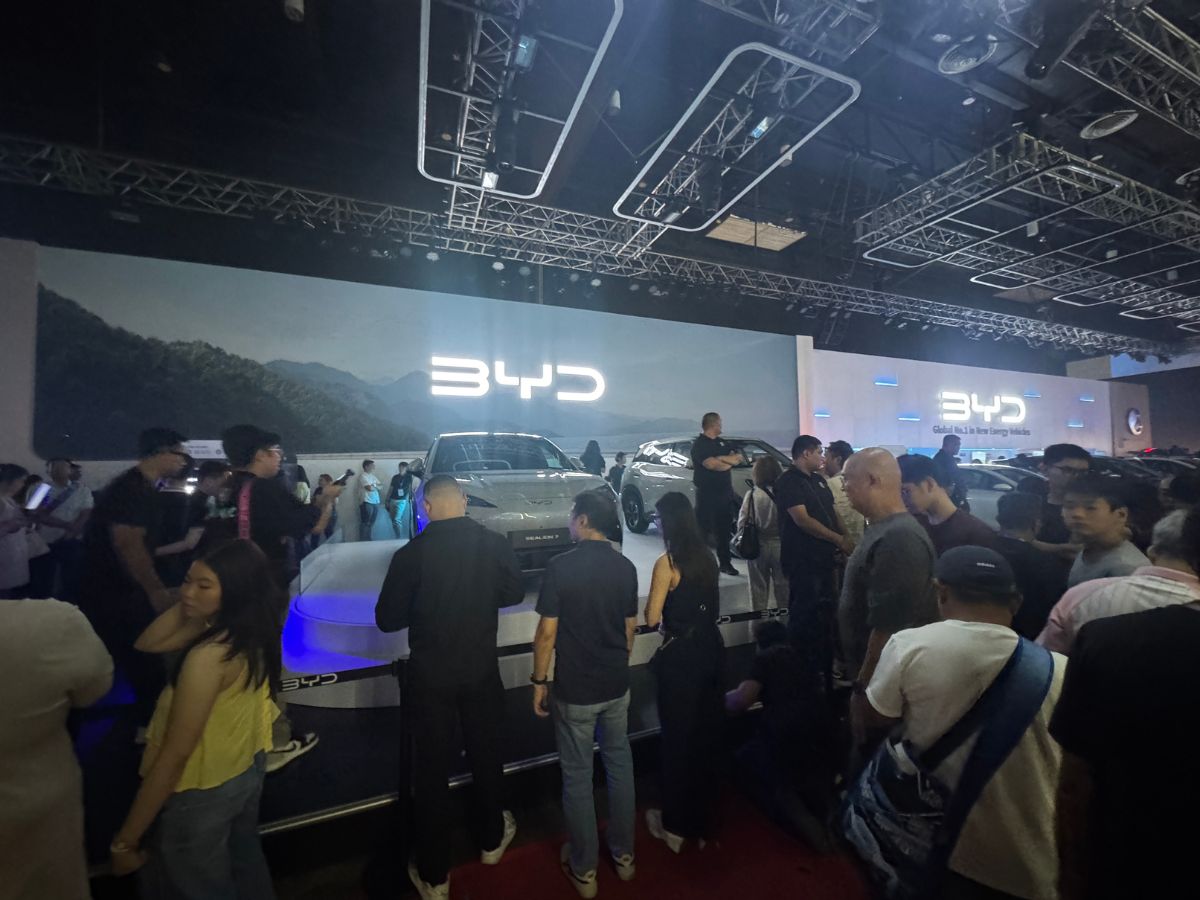

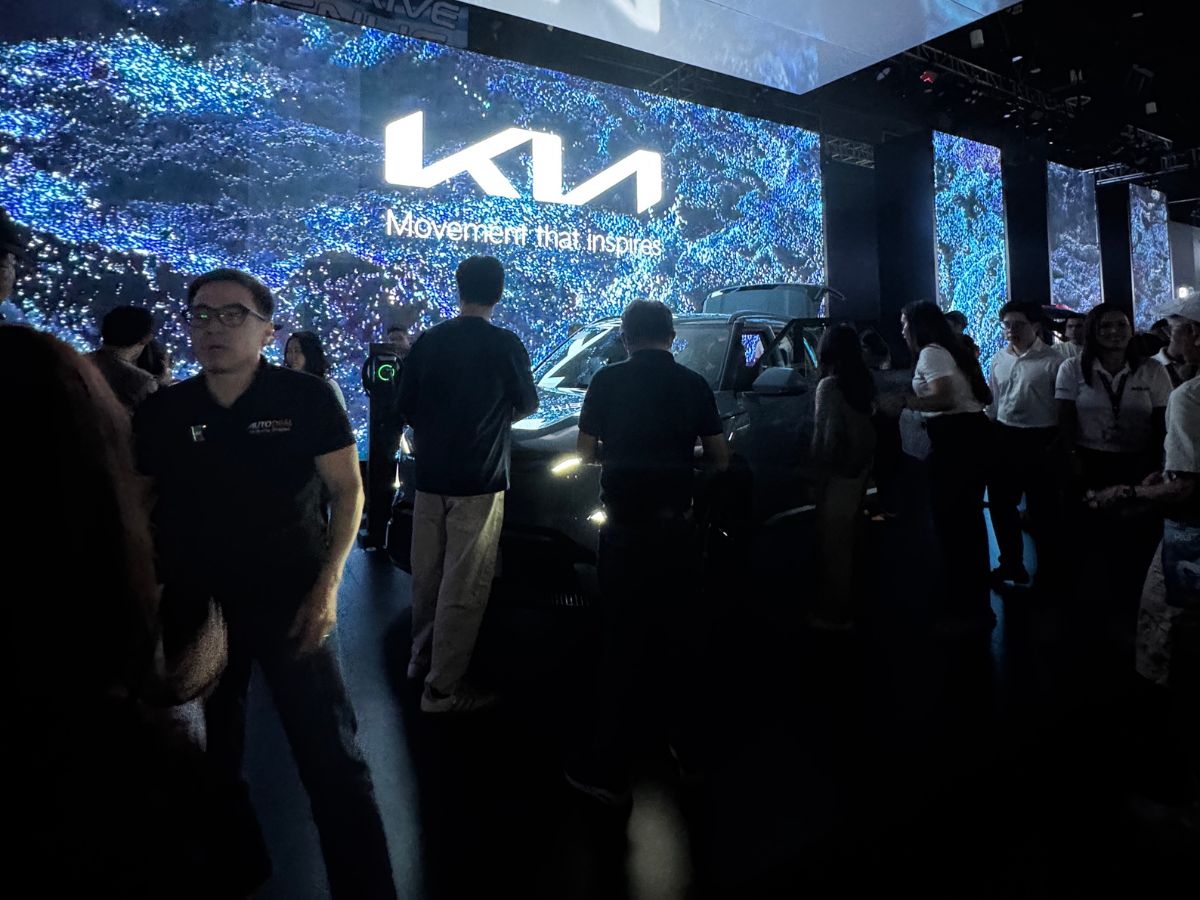
The Manila International Auto Show 2026 once again opened with all the spectacle the local automotive industry has come to expect—packed halls, headline-grabbing launches, and brands investing heavily to stand out in an increasingly crowded market. On paper, it remains a success. But beneath the surface lies a growing issue that deserves sharper scrutiny.
Because what is happening now is no longer just an inconvenience.
It is a disservice.
And not just to the media—but more importantly, to the very exhibitors who fund the show.
Let’s be clear about the scale of commitment involved. Participating in MIAS is not a casual decision for any brand. Exhibitors spend multi-millions—not just on floor space, but on elaborate booth builds, logistics, manpower, marketing campaigns, and the deployment of their latest vehicles. Every peso is spent with a singular goal: to amplify their message.
But that amplification was never meant to be limited to the four days of the event.
The real return on investment lies in what happens after.
Media coverage is the bridge between the show floor and the broader market. It takes what is seen by thousands on-site and turns it into content consumed by millions beyond it. A well-covered launch can live for weeks online. A properly executed feature can shape buyer perception long after the event ends. This is where brands extract value—where awareness converts into relevance, and relevance into sales.
So when media access is compromised, it doesn’t just disrupt workflow.
It breaks the value chain.
And that is where the concept of disservice becomes impossible to ignore.
A disservice, in this context, is not about poor experience—it is about unmet obligation. MIAS is not a free platform; it is a paid stage. Exhibitors are not merely participants; they are clients. And like any client, they expect that the platform they invest in will deliver the exposure it promises.
When that exposure is hindered by lack of access, poor scheduling, and overcrowded conditions that prevent proper documentation, the organizers are not simply falling short—they are failing to deliver on a fundamental expectation.
That is the disservice.
It manifests in very real ways. A vehicle that should have been the centerpiece of a brand’s campaign ends up with minimal coverage because media couldn’t get a clear shot. A carefully timed launch is diluted because it overlaps with three others, forcing journalists to choose—and inevitably ignore. A new entrant trying to build credibility gets lost in the noise because there was no structured opportunity to tell its story properly.
These are not hypothetical scenarios. These are missed opportunities that directly affect the exhibitor’s bottom line.
And the most troubling part? The exhibitors are still paying full price for diminished returns.
That imbalance is what defines the disservice. It is the gap between expectation and delivery. Between investment and outcome.
MIAS positions itself as the country’s premier automotive event—and in many ways, it still is. But with that positioning comes responsibility. The responsibility to ensure that the ecosystem it creates works not just for foot traffic, but for communication. Not just for spectacle, but for storytelling.
Because in today’s automotive landscape, storytelling is everything.
Consumers no longer rely solely on what they see in person. They rely on reviews, features, video walkarounds, expert opinions—content that is largely produced by media. If that content is rushed, incomplete, or worse, nonexistent, then the exhibitor’s message weakens before it even reaches its intended audience.
That is not a minor flaw. That is a structural failure.
A true service to exhibitors would mean enabling media to do their job at the highest level—providing access, time, and space to create meaningful content. It would mean recognizing that every journalist on the floor represents an opportunity for extended reach, not an obstacle to crowd control.
Right now, that recognition feels absent.
Instead, what exists is a system where media is treated as an afterthought—allowed in, but not truly accommodated. Present, but not empowered. And when that happens, the exhibitors—the ones who rely on that amplification—are left shortchanged.
That is the disservice.
Because in the end, MIAS is not just selling space.
It is selling exposure.
And if it cannot fully deliver that exposure beyond the four days of the show, then it is not just underperforming—it is undermining the very value it promises to those who invest in it.
For an event of this scale and importance, that should be unacceptable.