


It’s not surprising at all that lots of us have embraced motorcycles in the Philippines. Basically a bicycle with an engine, the “bike,” as it’s commonly referred to by many, is a very versatile machine for personal use, business, and even for motorsports in the Philippines.
The latest findings by the Motorcycle Development Program Participants Association, Inc. (MDPPA), an organization representing the country’s leading motorcycle brands such as Honda, Kawasaki, Suzuki, Yamaha, and TVS, attest to the popularity of these 2-wheeled machines.
According to MDPPA, the motorcycle sales in the Philippines in Q2 2025 (May, June, and July) have reached a total of 910,923 units. That’s a 4.8% increase in sales as compared to the same period in 2024, which saw a total of 876,074 bikes sold.
MDPPA attributes this positive growth in bike sales to the automatic/scooter category. This category stands as the current top-selling motorcycle type in the country, followed by mopeds, street bikes, commercial or business bikes, big bikes, and other niche markets.
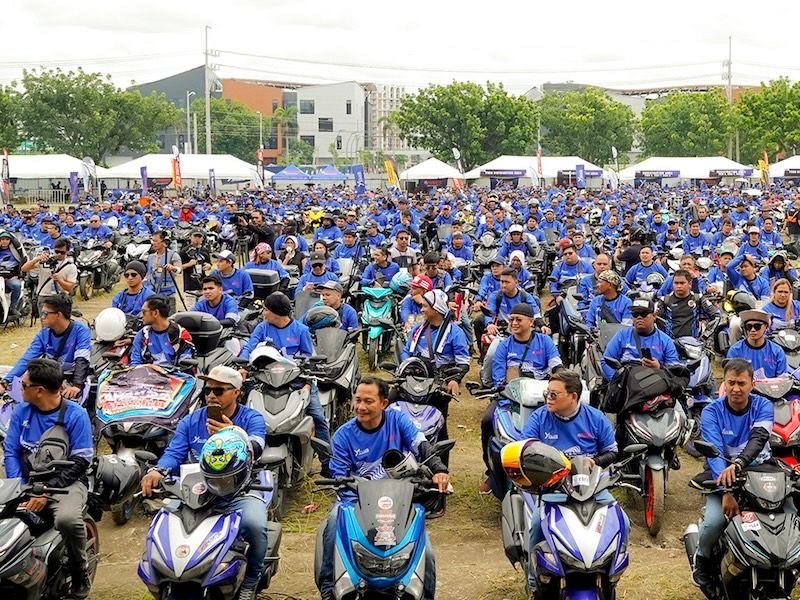
MDPPA adds that factors such as the rising demand for more affordable means of personal mobility, steady recovery of the economy, and availability of financing options also contributed to the latest sales feat.
But perhaps the most relatable contributing factor for many ordinary people is the motorcycle riding advantage itself. Compared to 4-wheeled vehicles, these 2-wheeled machines generally have smaller footprints on the road. They’re lightweight, take in less fuel (or none at all, in the case of electric motorcycles), and can easily be maneuvered through congested city traffic. Some riders would even traverse areas like mountains and river crossings that few 4-wheeled vehicles can easily reach.

In closing, MDPPA’s President, Alex Cumpas, shared, “Filipinos continue to see two-wheeled vehicles as a practical solution to daily commuting challenges, as their affordability, fuel efficiency, and ability to weave through heavy traffic, among other advantages, make them an essential choice for urban mobility.”

