


On August 1, 2009, Nissan introduced the LEAF, the world’s first mass-market zero-emission electric vehicle. Its name—an acronym for “Leading Environment-friendly Affordable Family car”—embodied the brand’s commitment to sustainable mobility. Coincidentally, that same year marked the founding of the Electric Vehicle Association of the Philippines (EVAP), one of Southeast Asia’s earliest industry organizations dedicated to advancing electric mobility. Fittingly, EVAP could also stand for “Electric Vehicles Always Prioritized”—a principle that continues to guide the organization’s vision.
From its inception, EVAP promoted the transition to electric vehicles in the Philippines, advocating for national policies and infrastructure needed to support cleaner transport. In 2009, affordable EVs and widespread charging stations were still distant aspirations, but EVAP laid the groundwork for a future where electrified mobility would be both accessible and sustainable.

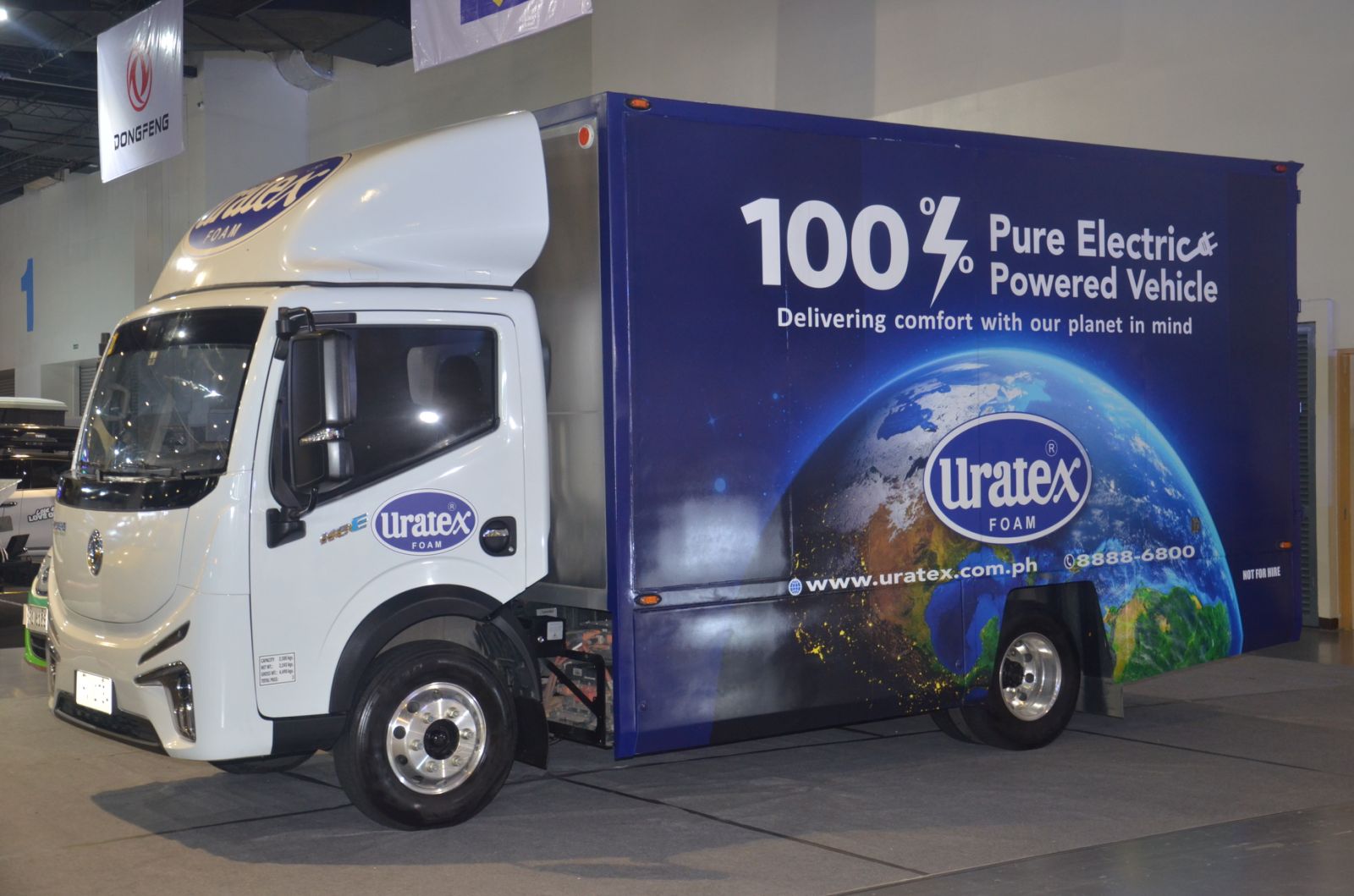
In 2010, EVAP held its first exhibition at the Meralco Gym to showcase EVs and related innovations from its member-companies. By 2012, a larger-scale event was staged with broader participation and media attention, eventually evolving into the Philippine Electric Vehicle Summit (PEVS). Now recognized as the country’s premier EV event, the summit has since drawn global automakers, startups, investors, and suppliers eager to explore the Philippine EV market.
Over the years, PEVS has helped attract battery and charging technology manufacturers from abroad, highlighting the Philippines as a competitive and high-potential destination for EV investment. The 12th PEVS in 2024 saw record-breaking attendance and the highest number of exhibitors and EV displays to date.
In parallel, EVAP has played a critical role in policy advocacy. By 2017, the organization had grown to include both legacy automotive brands and emerging EV players. In 2020, EVAP contributed to the formation of the Asian Federation of Electric Vehicle Associations (AFEVA), which EVAP President Edmund Araga now leads. Two years later, EVAP’s long-term efforts culminated in the passage of the Electric Vehicle Industry Development Act (EVIDA), enabling greater investment in EV manufacturing and infrastructure. In 2023 and 2024, Executive Orders 12 and 62, along with the CREATE and TRAIN laws, further reinforced government support for the EV ecosystem.


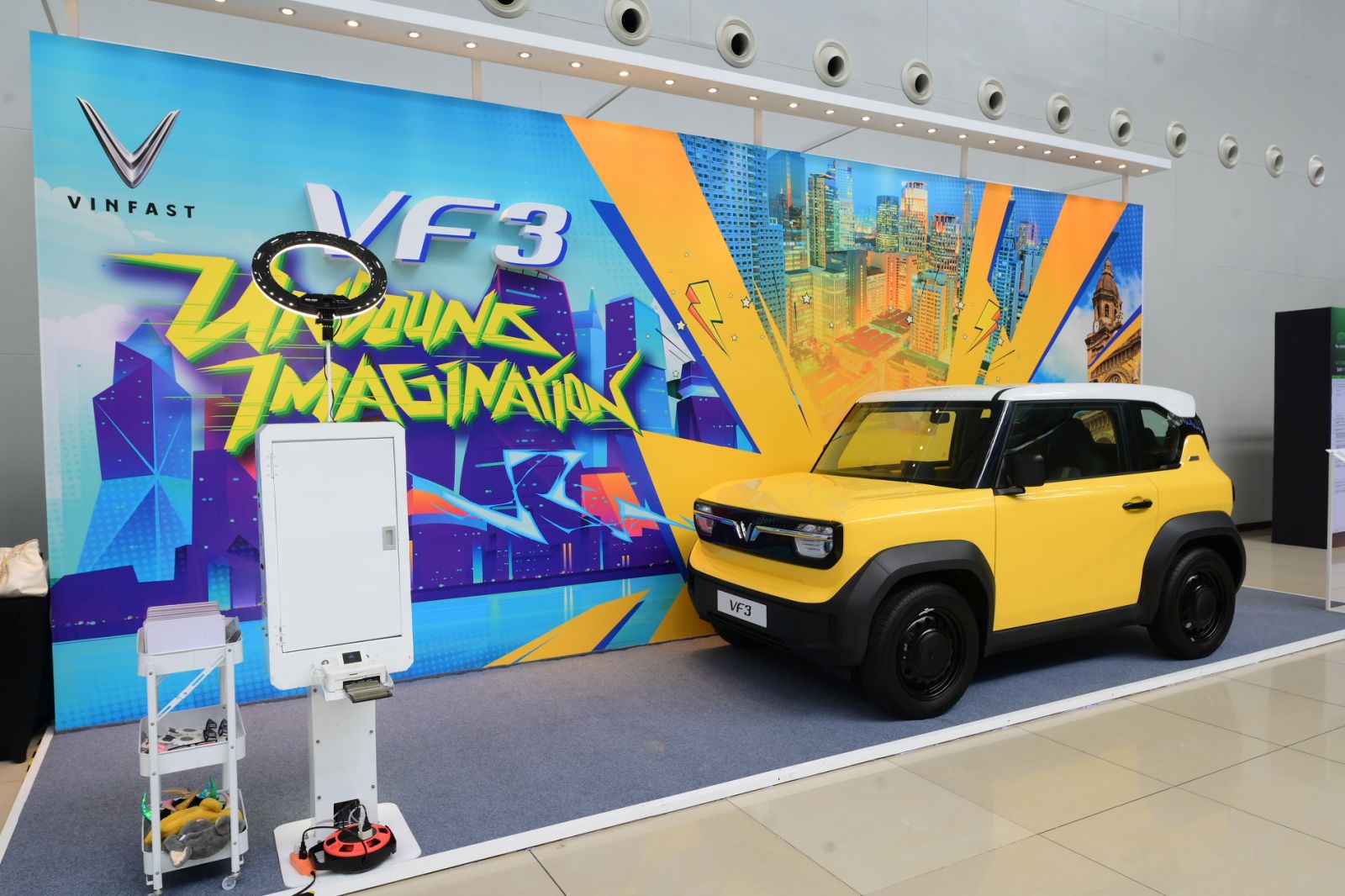
As of 2024, the Philippines boasts 922 electric vehicle charging points and 147 accredited charging station operators. These developments have generated over 10,000 new jobs and attracted P1.99 billion in investment. EVAP also supports local manufacturing of EV components, including battery materials and nickel processing, drawing an additional P1 billion in capital.
Looking ahead, EVAP is preparing to introduce an all-electric racing series to nurture homegrown talent and highlight the performance capabilities of EVs. Educational programs on EV racing will be conducted, and the association ultimately aims to host ABB FIA Formula E races in the Philippines—an initiative that combines motorsports, tourism, and environmental advocacy.
With 88 active member-companies and seven academic institutions under its university chapter, EVAP is forging ahead into a more vibrant and sustainable future. At the upcoming 13th Philippine Electric Vehicle Summit—scheduled for October 23–25, 2025 at the SMX Convention Center—EVAP will unveil new initiatives, including an industry awards program recognizing excellence across the local EV sector.


