

The Philippine automotive industry held its ground in August 2025 as vehicle sales inched up despite a softer monthly performance, according to the Chamber of Automotive Manufacturers of the Philippines, Inc. (CAMPI) and Truck Manufacturers Association (TMA).
Year-to-date auto sales reached 305,381 units by the end of August, a 0.2% increase from 304,765 units in the same period last year. Commercial vehicles (CVs) remained the backbone of the market, accounting for nearly 80% of sales, with 244,023 units sold so far this year. Passenger car sales, however, slipped by 23.6% to 61,358 units.
August auto sales totaled 36,174 units, reflecting a 5.5% decline from July’s 38,287 units and 7.6% lower than the 39,155 units sold in August 2024.
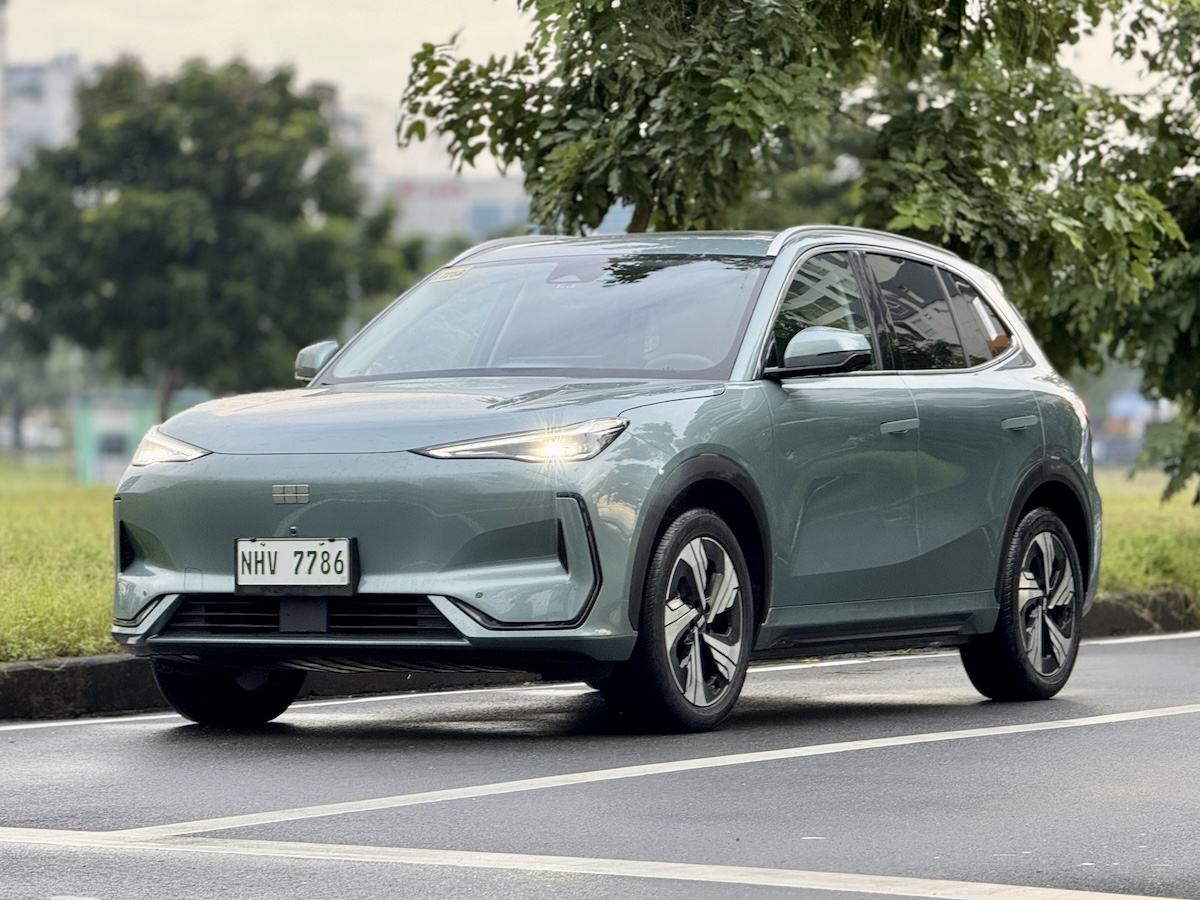
A bright spot for the industry was the surge in electrified vehicles (xEVs), which now represent 6.04% of total auto sales. From January to August, 18,439 xEVs were sold—led by hybrid electric vehicles (HEVs) at 14,585 units. Battery electric vehicles (BEVs) posted 3,278 sales, spearheaded by Tesla, which accounted for over half the total. Plug-in hybrids (PHEVs) contributed 576 units.
“Despite a modest dip in month-on-month figures, the industry remains optimistic, driven by evolving consumer preferences and a growing shift toward sustainable mobility,” CAMPI president Atty. Rommel Gutierrez said in a statement.
Market leaders
Toyota Motor Philippines Corp. retained its commanding lead with 146,357 units sold, or 47.93% market share. Mitsubishi Motors Philippines Corp. followed with 57,908 units (18.96%), while Nissan Philippines Inc. posted 15,160 units (4.96%). Rounding out the top five were Ford Motor Co. Philippines with 14,940 units (4.89%) and Suzuki Philippines with 14,519 units (4.75%).

Segment performance:
- Commercial vehicles grew 8.7% year-on-year, buoyed by strong demand in light commercial vehicles, which rose 10.8% to 182,240 units.
- Passenger cars lagged, with auto sales nearly a quarter lower compared to 2024, as Toyota and Mitsubishi continued to lead the segment.
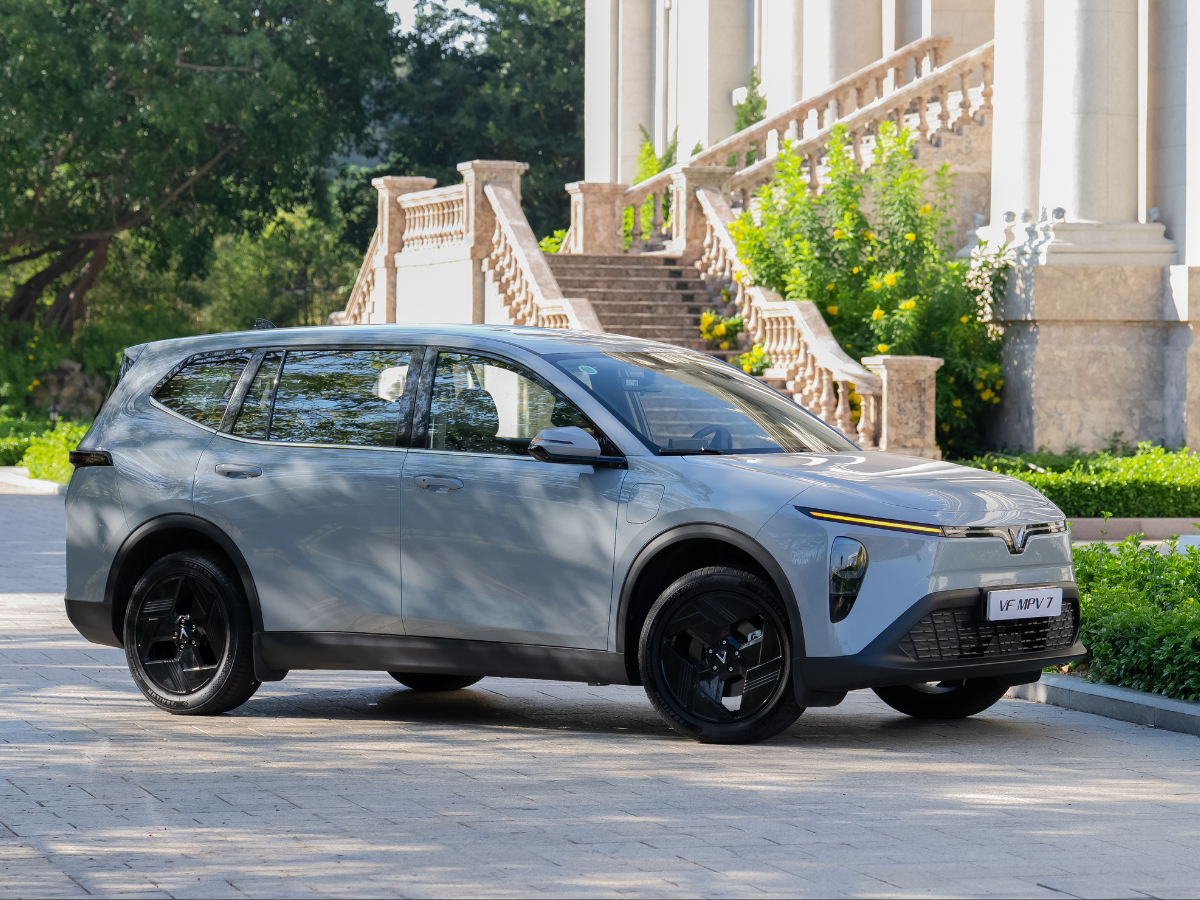
- Among electrified models, Toyota dominated the hybrid market, while Tesla led battery EV sales, followed by Nissan and Vinfast.
The latest figures confirm what the industry has seen all year: a flat but stable market with growth coming mainly from commercial vehicles. The real story, however, is in electrification. In less than a year, EVs have carved out a 6% market share—small but meaningful in a price-sensitive market like the Philippines. Hybrids are proving to be the bridge technology, while Tesla’s strong BEV numbers suggest that early adopters are ready to take the leap into full electric.
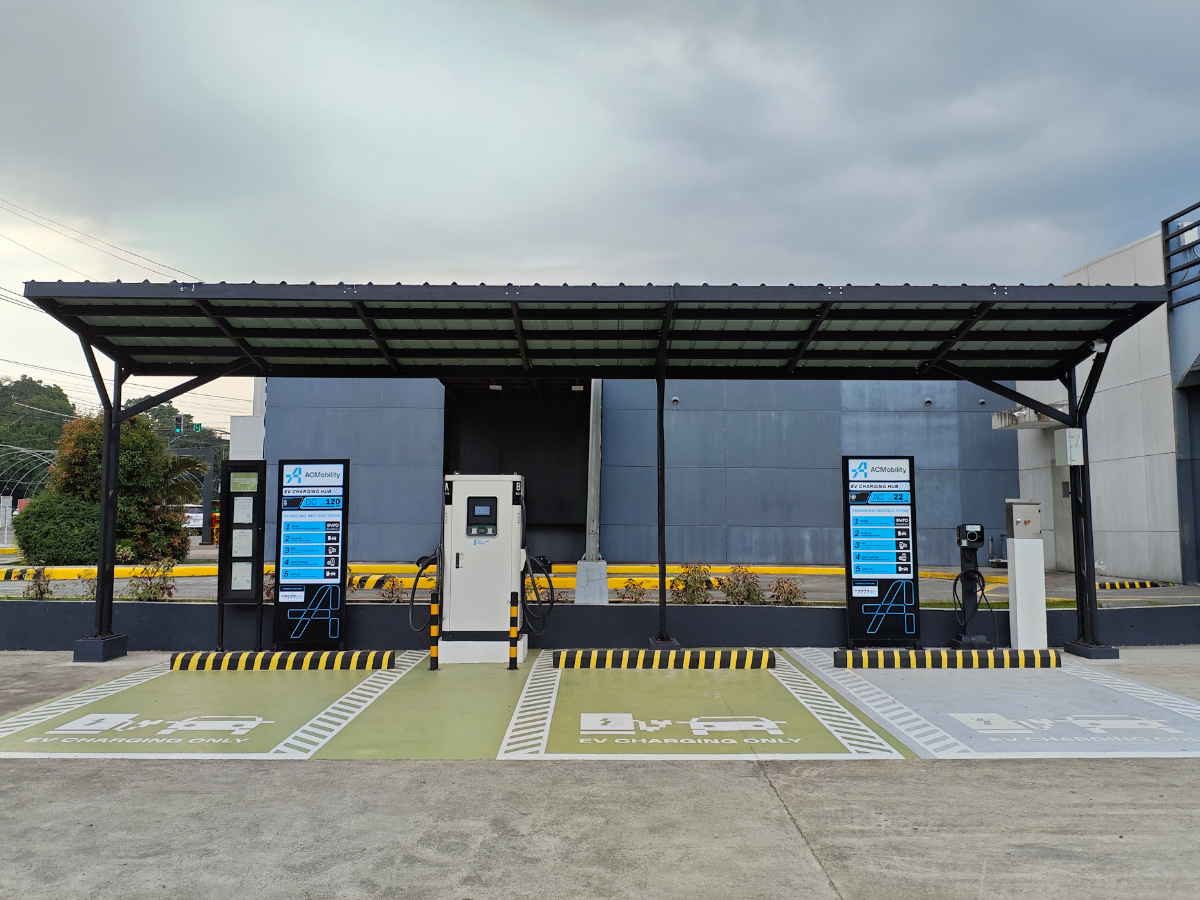
Still, overall volume growth remains muted, showing that while consumer interest is shifting, affordability and infrastructure will decide how quickly the transition takes hold.